When Should I Plant Tulips, Daffodils, and Other Spring Bulbs?
Spring bulbs are one of gardening’s best exercises in patience. You plant a small, unassuming bulb in fall, cover it with soil, and wait through winter. Then, just when the landscape needs color most, crocuses, daffodils, tulips, hyacinths, and alliums begin emerging.
For gardeners in Middle Tennessee, the best time to plant most spring-flowering bulbs is from late October through December, after the soil has cooled but before it freezes.
The exact timing depends on the type of bulb, the weather, and whether you are planting in the ground or in a container.
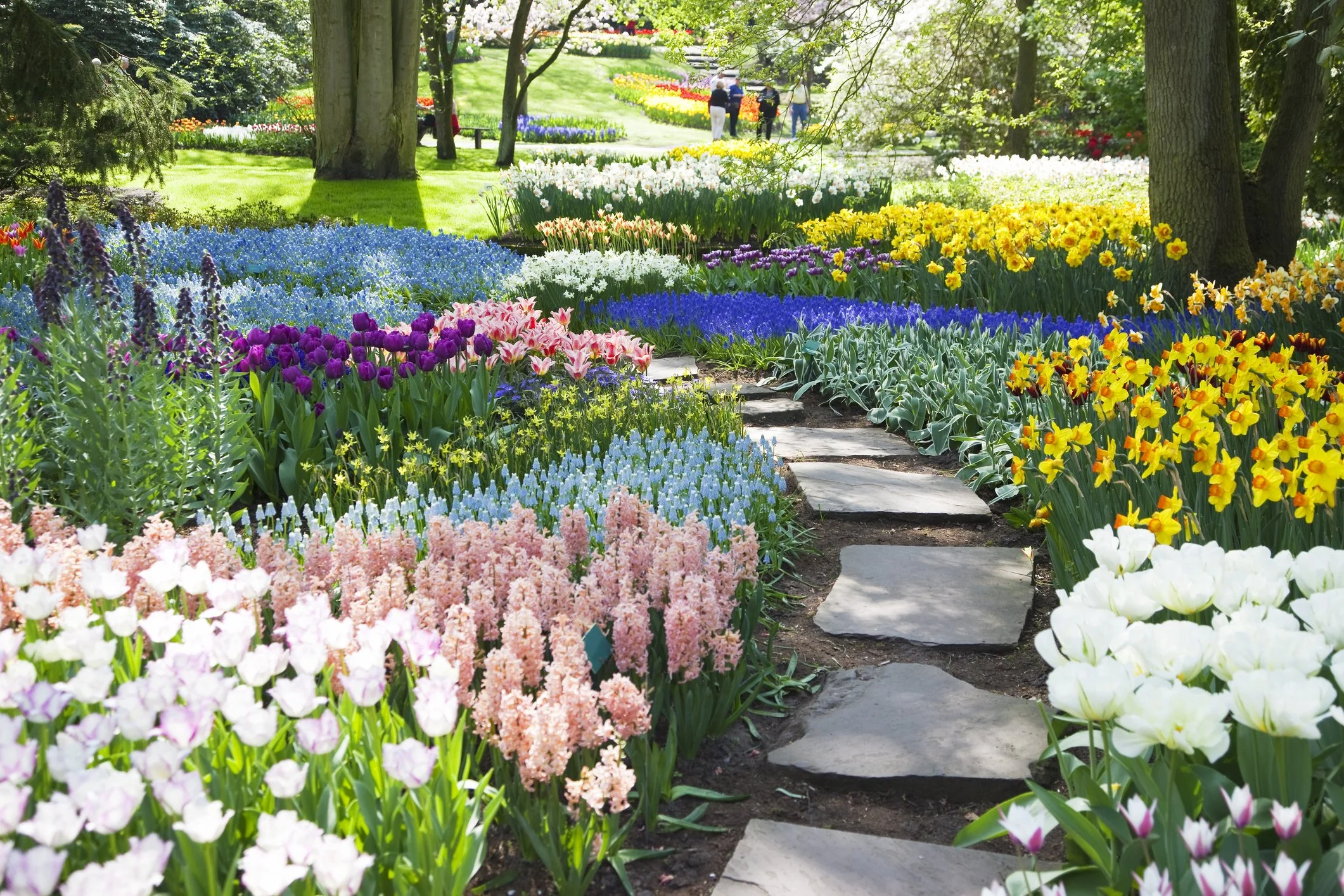
Why Are Spring Bulbs Planted in Fall?
Spring-flowering bulbs need time to develop roots before they bloom. Most also require a period of cold temperatures to trigger proper flowering.
Planting them in fall allows the bulbs to experience winter naturally. Root growth begins underground, even though nothing may be visible above the soil.
NC State Extension recommends planting spring bulbs once the soil temperature at planting depth has dropped below approximately 60°F. In Zones 7 and 8, this often means waiting until November or early December. NC State Extension
Planting too early, while the soil is still hot, may encourage premature growth or increase the risk of bulb diseases. Planting too late is usually less serious—as long as you can still work the soil.
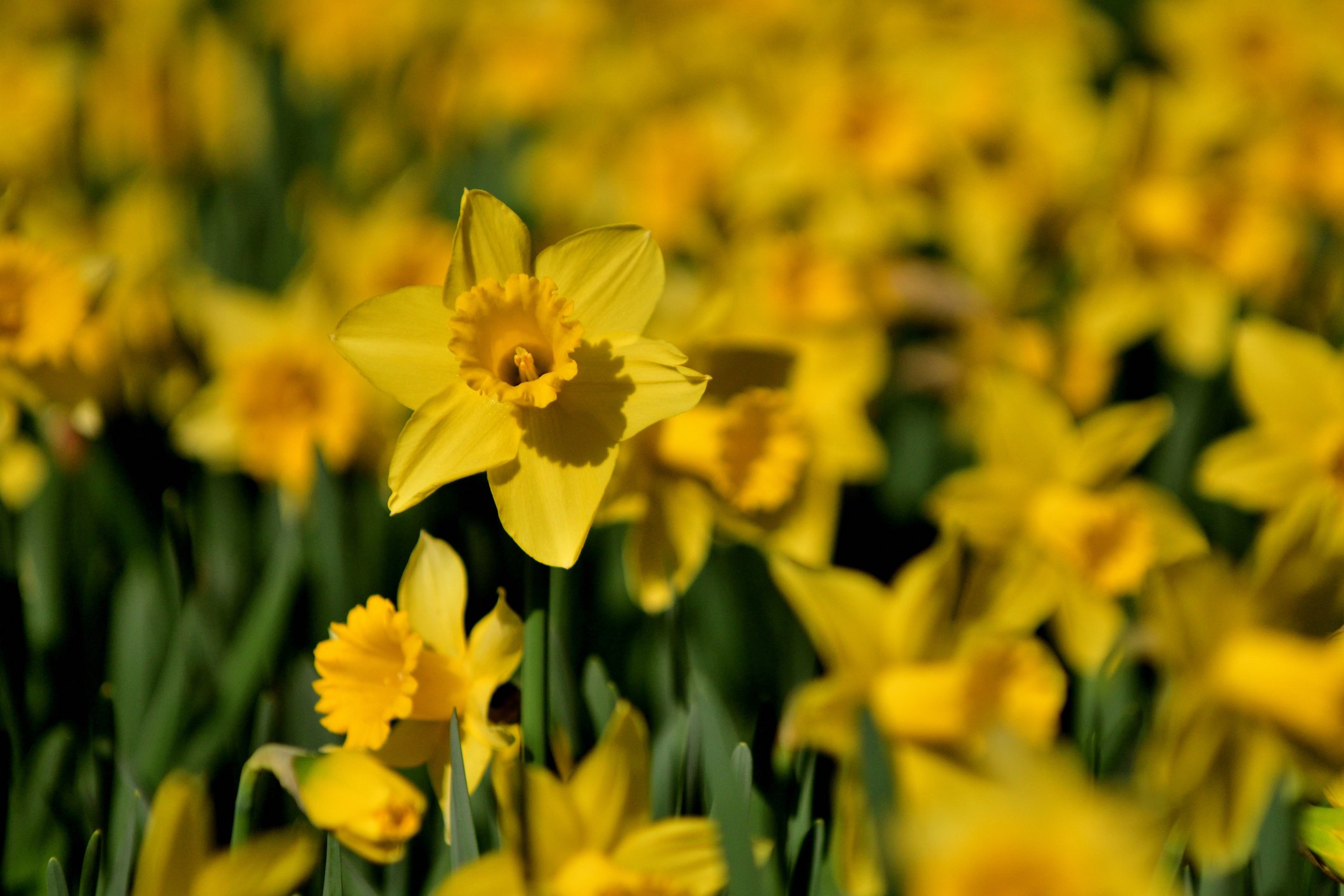
When Should I Plant Daffodils?
Daffodils can be planted from late October through November in Middle Tennessee. They may also be planted in December if the soil remains workable.
Because daffodils are dependable perennials, planting them earlier in the fall gives them more time to establish roots. Once settled, they often return and multiply for many years.
Daffodils perform best in well-drained soil with plenty of spring sunlight. They can be planted beneath deciduous trees because they usually receive adequate light before the trees leaf out.
Another advantage of daffodils is that deer, rabbits, squirrels, and voles generally avoid eating them. All parts of the plant contain compounds that make them unappealing to most garden visitors.
Choose early-, mid-, and late-season varieties to extend the daffodil display over several weeks.
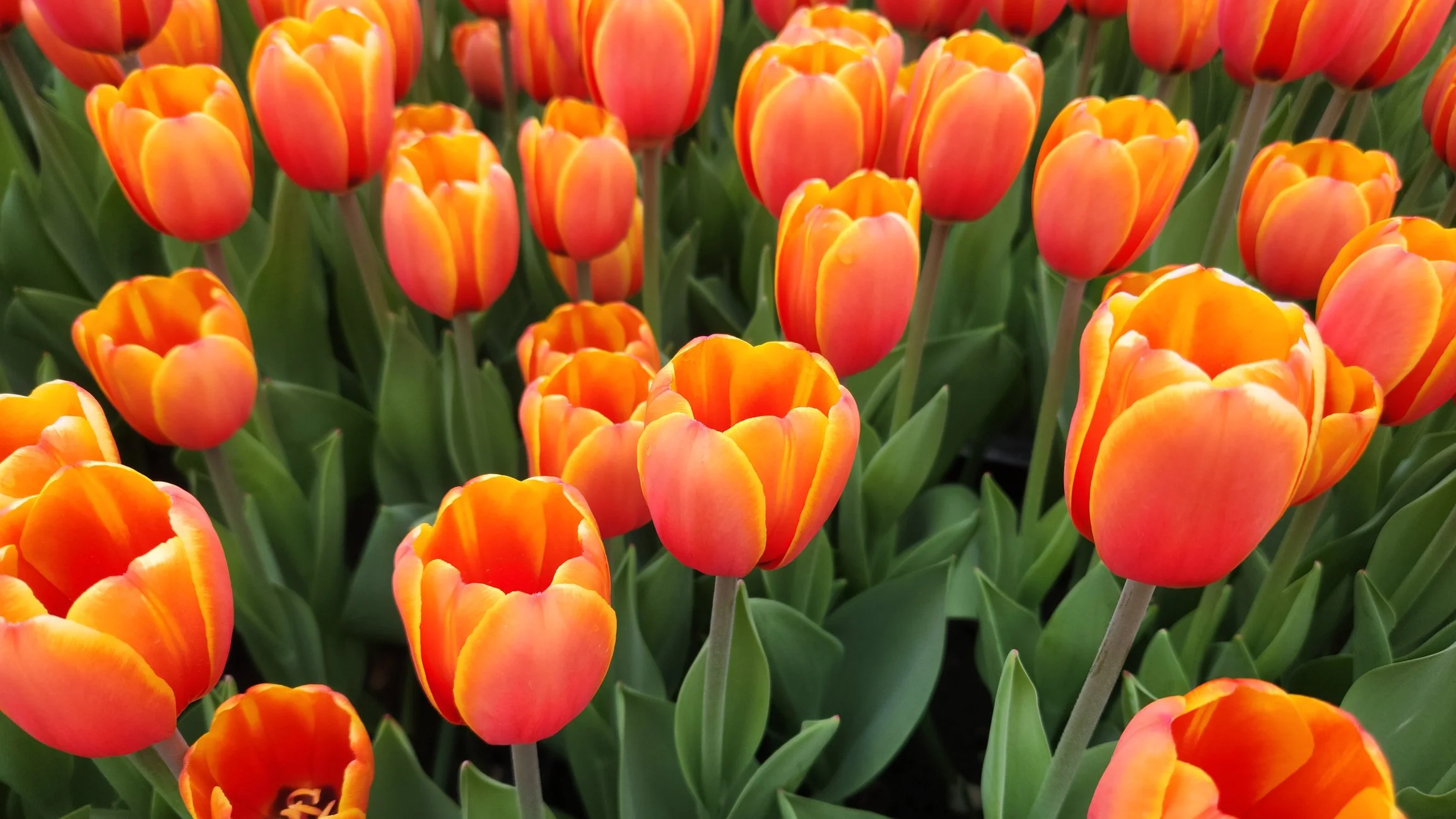
When Should I Plant Tulips?
Tulips are best planted after the soil has cooled—often in November or even December in Middle Tennessee.
Waiting until later in fall reduces the amount of time the bulbs spend in warm soil. Tulips require a cold period to flower properly, and our variable Tennessee winters can make their long-term performance less predictable than that of daffodils.
For the strongest first-year display, choose large, firm bulbs and plant them promptly once conditions are appropriate.
Some tulips, particularly species tulips and certain hybrids, may return for several years in a sunny, well-drained location. Many of the large, showy tulips, however, are best treated as seasonal color. Their flowers may become smaller or fail to return after the first year.
If you want a formal display with dependable size and color, plan to plant fresh tulip bulbs each fall.
Tulips are also appealing to deer, squirrels, chipmunks, and voles, so consider animal pressure when choosing a planting location.
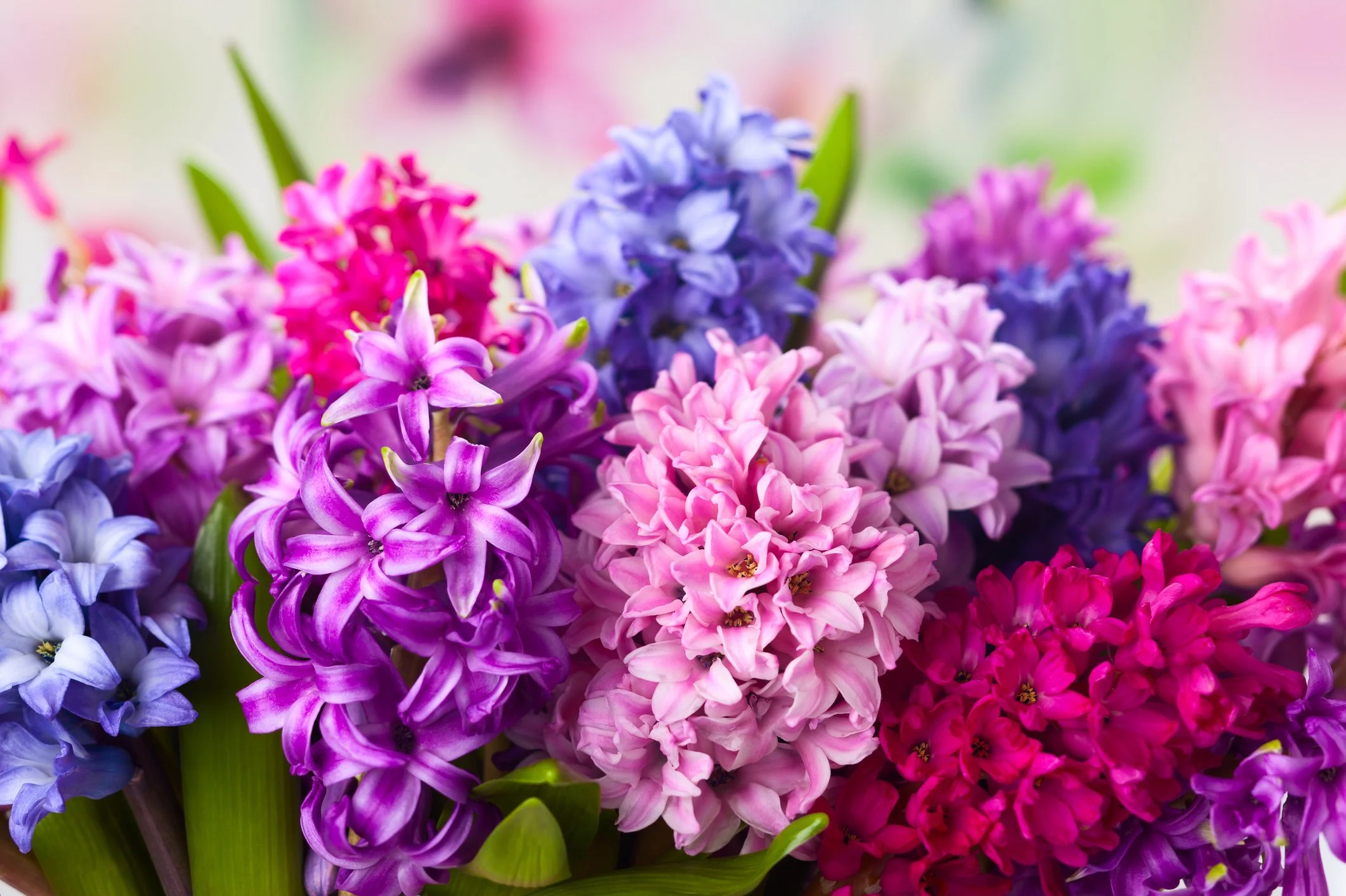
What About Hyacinths?
Hyacinths can be planted in November or December after the soil cools. Their fragrant flower spikes provide intense spring color in beds and containers.
Like tulips, hyacinths may produce smaller flowers in subsequent years. They require excellent drainage and can rot in soil that stays wet.
Wear gloves while handling hyacinth bulbs if you have sensitive skin. The bulbs can cause irritation in some people.
Do not confuse traditional Dutch hyacinths with grape hyacinths. Grape hyacinths, or muscari, produce small clusters of blue, purple, white, or pink flowers and usually naturalize more readily.
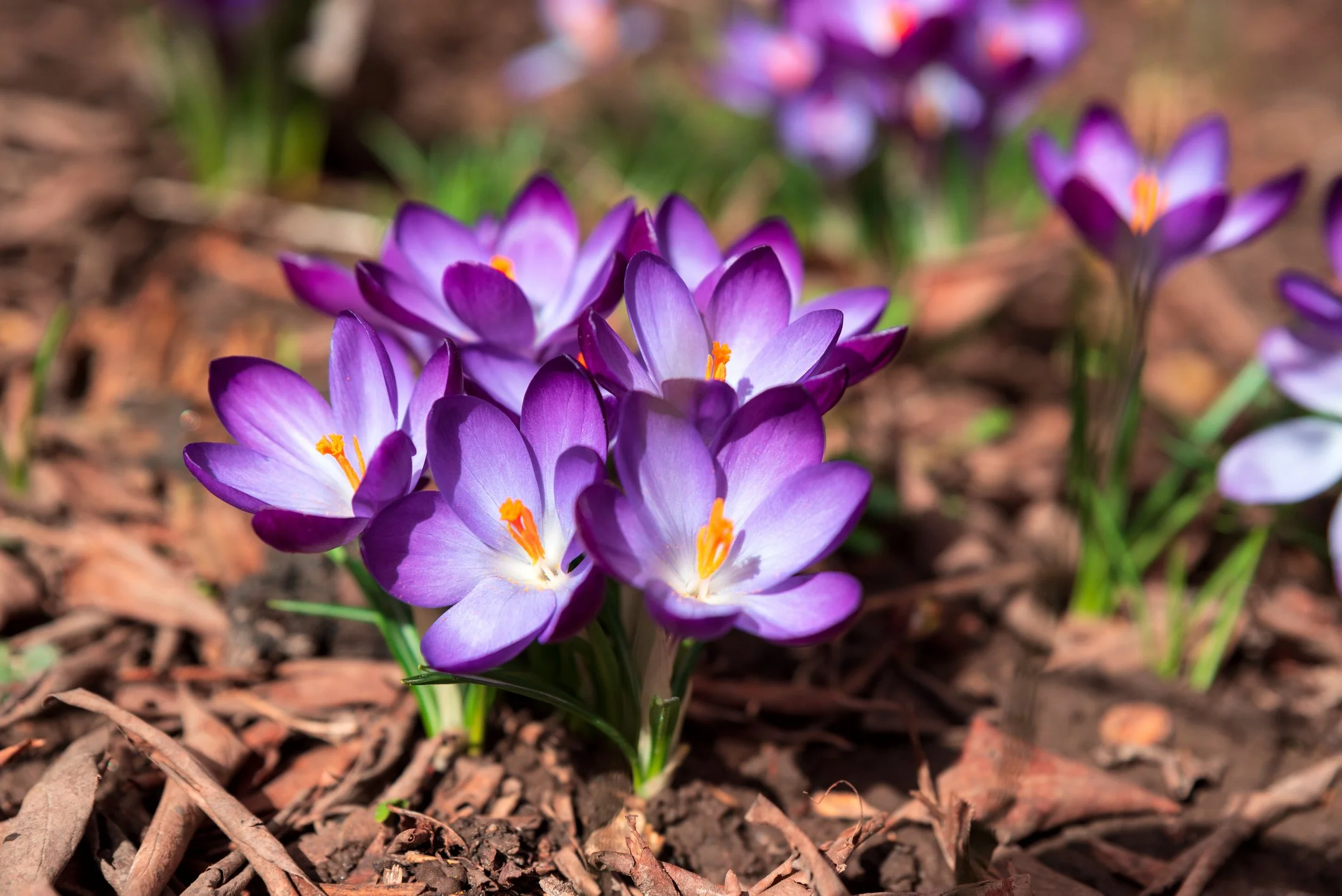
When Should I Plant Smaller Bulbs?
Small spring-flowering bulbs can generally be planted from October into December. These include:
Crocuses
Grape hyacinths
Snowdrops
Glory-of-the-snow
Siberian squill
Dwarf iris
Winter aconite
Because small bulbs can dry out more quickly in storage, plant them reasonably soon after purchase once the soil begins cooling.
These bulbs are especially attractive when planted in generous groups beneath deciduous trees, along walkways, at the front of garden beds, or among later-emerging perennials.
Many bloom very early and provide some of the season’s first nectar and pollen for active pollinators.
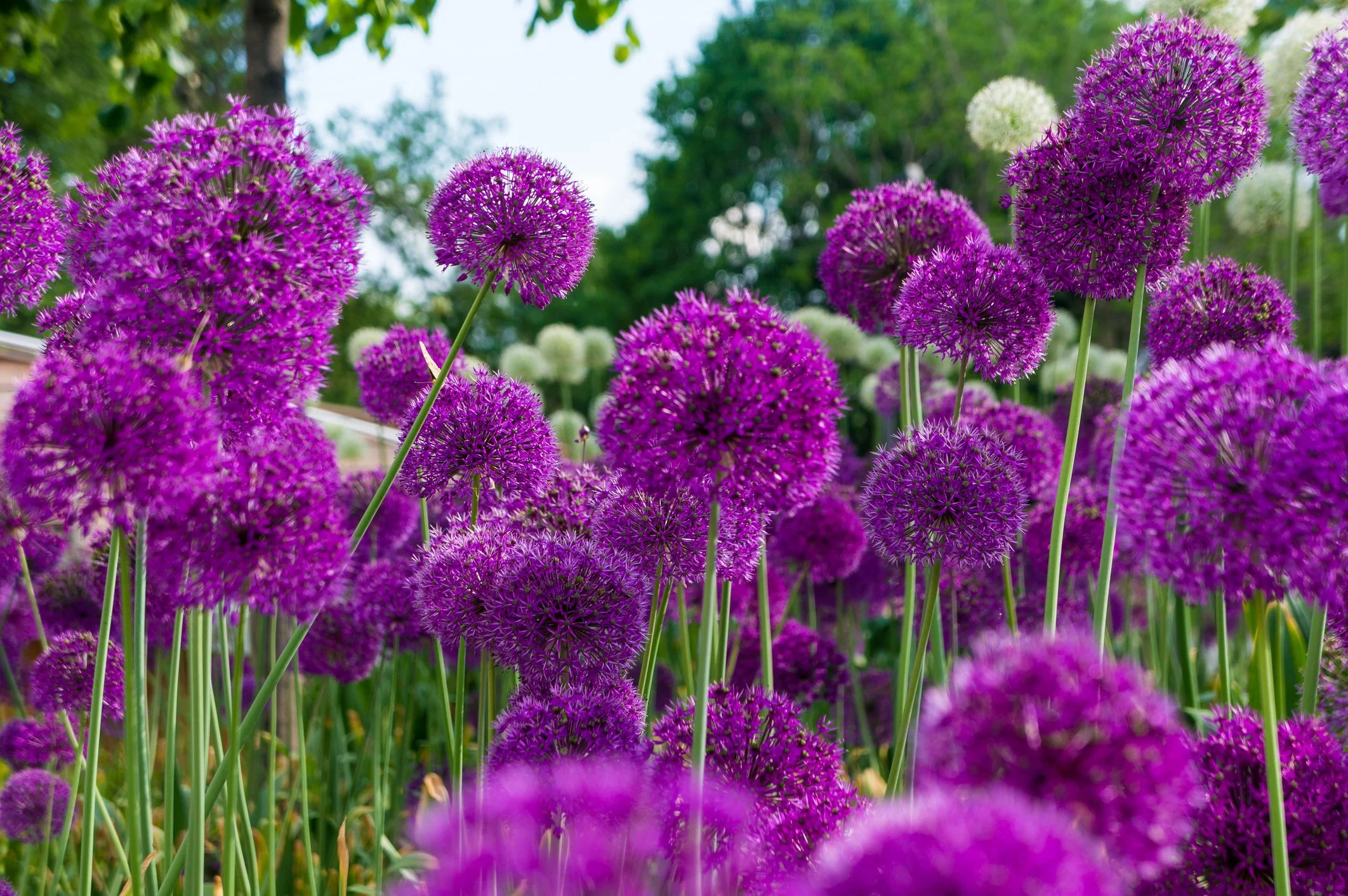
When Should I Plant Alliums?
Ornamental alliums are also planted in fall, usually from late October through December.
Depending on the variety, alliums may produce small, delicate flower clusters or dramatic globes held on tall stems. They generally prefer full sun and excellent drainage.
Alliums pair beautifully with perennials because their foliage begins to decline as many summer plants start growing. Positioning them behind or among other plants helps disguise yellowing leaves.
Like daffodils, ornamental alliums are usually avoided by deer and rodents.
Don’t Plant by the Calendar Alone
A calendar provides a useful starting point, but soil temperature and weather conditions are more important.
If October remains unusually hot, wait. If cold weather arrives early, plant sooner. The goal is to put bulbs into cool soil with enough time to begin producing roots before the ground becomes extremely cold.
In Middle Tennessee, the soil often remains workable well into winter. Bulbs discovered in the garage in January are usually better planted than discarded, provided they are still firm and the soil is not frozen or waterlogged.
Late-planted bulbs may flower later than expected or produce a smaller first-year display, but they have a better chance in the ground than they do sitting in storage until spring.
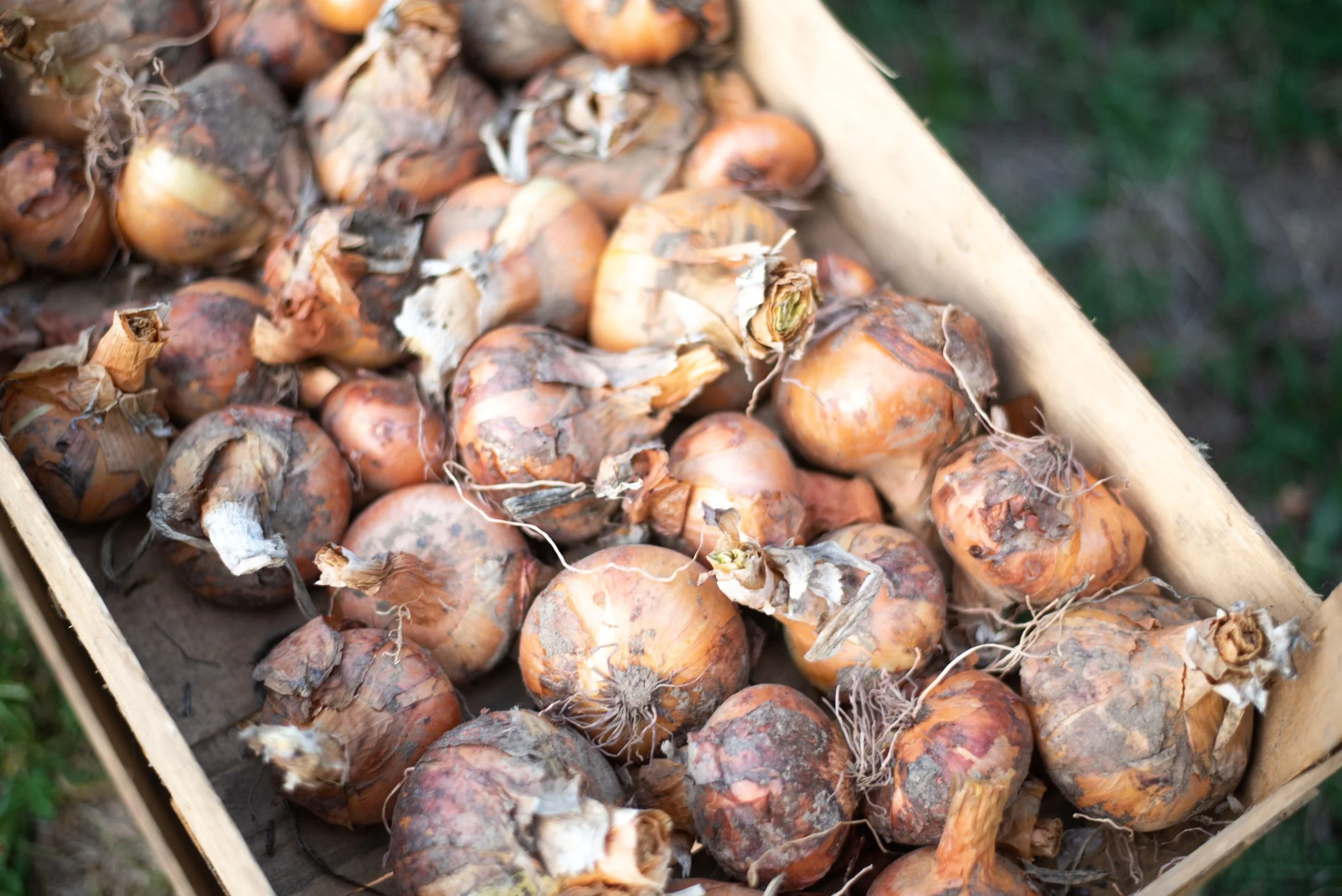
Choose Healthy Bulbs
The flower for the coming spring is already developing inside the bulb when you purchase it, so bulb quality matters.
Look for bulbs that are:
Firm
Plump
Heavy for their size
Free of soft spots
Free of obvious mold or decay
A loose, papery outer skin is usually not a problem. Avoid bulbs that feel soft, shriveled, or unusually lightweight.
Larger bulbs generally produce larger or more abundant flowers, particularly during the first year.
If you purchase bulbs before planting time, store them in a cool, dry, well-ventilated place. Do not seal them in plastic, and do not store them near apples, pears, or other ripening fruit. Fruit releases ethylene gas, which can damage the developing flower inside certain bulbs.
Choose a Well-Drained Location
Poor drainage is one of the most common reasons bulbs fail.
Most spring bulbs prefer soil that is moist during active growth but never remains soggy. Avoid low areas where water stands after rain.
If your soil is heavy clay, choose a better-drained location, plant in a raised bed, or improve the entire planting area with appropriate organic matter. Do not create a small pocket of loose soil surrounded by dense clay because it may hold water around the bulbs.
Many spring bulbs need full sun to replenish their energy after flowering. A location beneath a deciduous tree can work because the bulbs receive sunlight before the tree develops its full canopy.
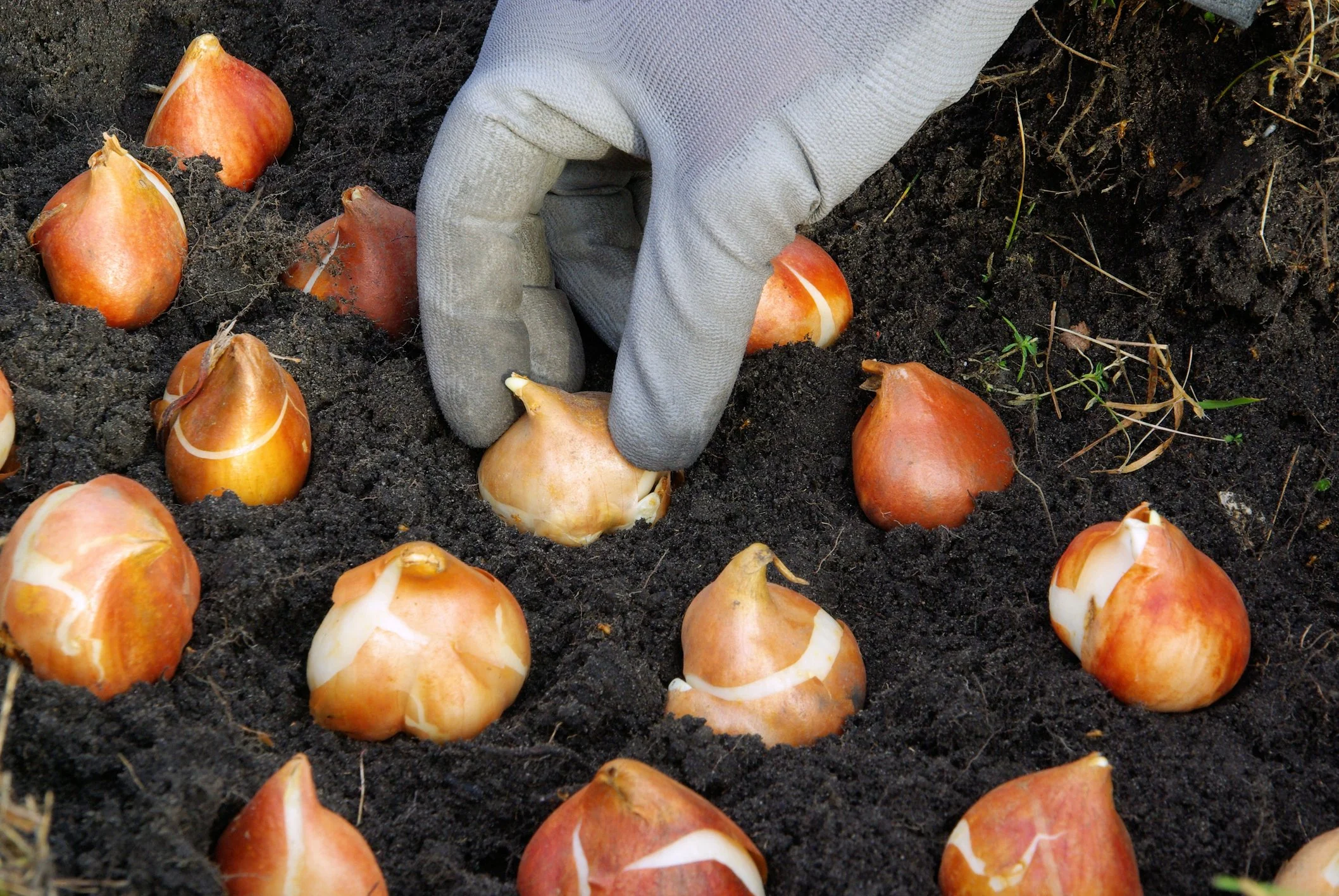
How Deep Should I Plant Bulbs?
Always follow the instructions provided for the specific bulb. A useful general rule is to plant a bulb approximately two to three times as deep as the bulb is tall.
As a broad guide:
Large tulips and daffodils are often planted about 6 to 8 inches deep.
Hyacinths are commonly planted about 5 to 6 inches deep.
Small bulbs may be planted approximately 2 to 4 inches deep.
Depth is generally measured from the soil surface to the bottom of the bulb.
Place the pointed end facing upward and the flatter root end downward. If you cannot determine which side is up, plant the bulb on its side. It will usually correct its growth direction.
After planting, replace the soil, water thoroughly to settle it around the bulbs, and add a light layer of mulch.
Plant in Groups for the Best Display
One bulb planted here and another several feet away rarely creates much visual impact.
For a natural, full display, plant bulbs in clusters, drifts, or broad ribbons. Groups of at least 7 to 12 large bulbs—or 25 or more small bulbs—will look more intentional than a straight line of widely spaced flowers.
For an informal planting, gently scatter the bulbs over the prepared area and plant them where they land. Keep enough space between them for healthy growth, but allow the grouping to look natural.
You can also layer bulbs that bloom at different times. Place larger, later-blooming bulbs more deeply and smaller, earlier bulbs closer to the surface. This method can create several waves of flowers from the same area.
Can I Plant Spring Bulbs in Containers?
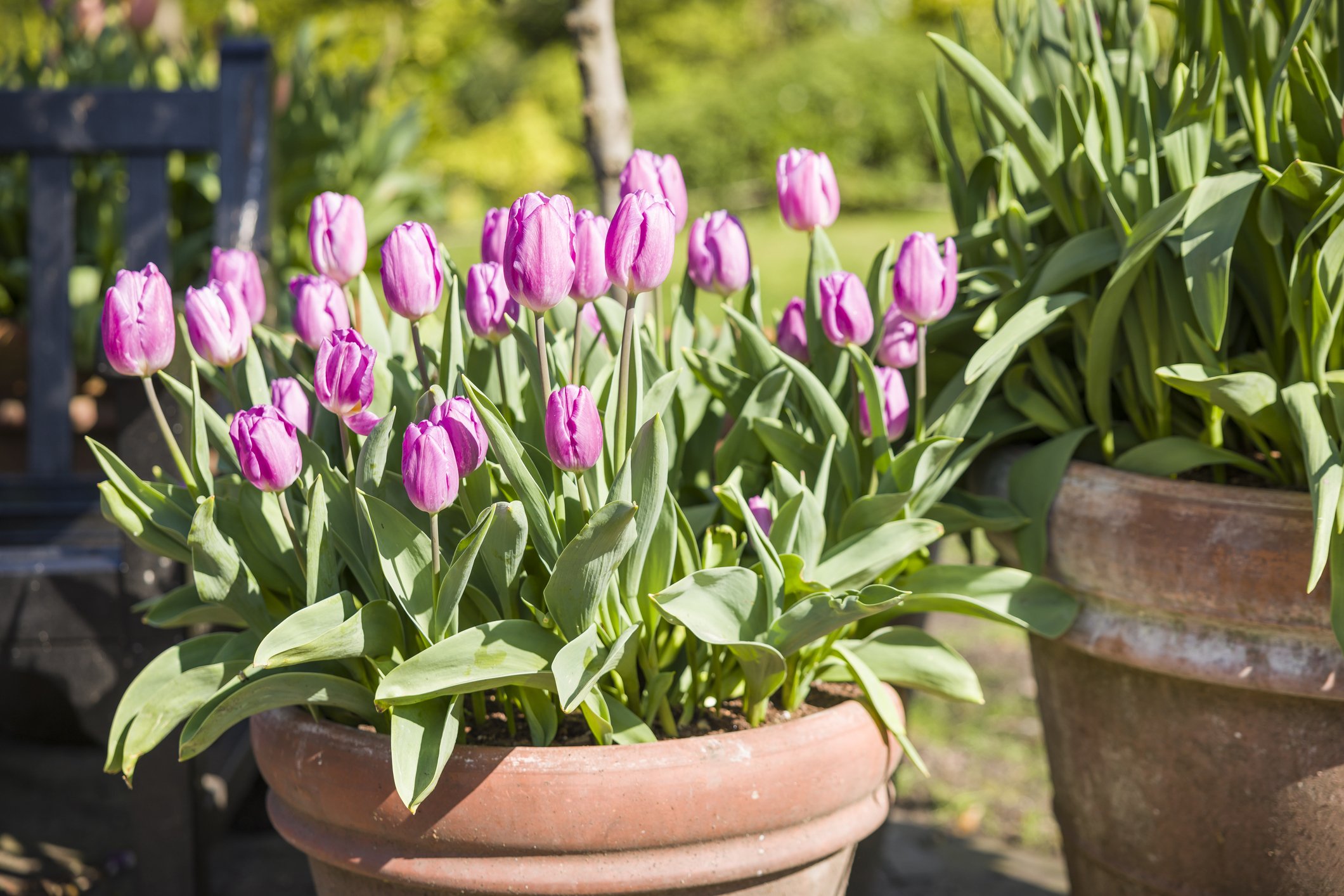
Yes. Tulips, daffodils, hyacinths, crocuses, and other bulbs grow beautifully in containers.
Choose a frost-resistant container with an unobstructed drainage hole. Bulbs in pots are more exposed to temperature changes than those planted in the ground, so a large container is generally safer than a small one.
For a layered “bulb lasagna,” place larger bulbs at the lowest level, cover them with potting mix, add medium-sized bulbs, then finish with small bulbs near the top. The bulbs can be closer together than they would be in the garden, but they should not touch.
The container must remain cold enough for the bulbs to receive their required chilling period, yet protected from repeated freezing and thawing. Keep it outdoors in a sheltered location and prevent the potting mix from becoming waterlogged or completely dry.
What Should I Do After the Flowers Fade?
Remove faded flowers if you would like a tidier appearance, but leave the foliage in place.
The leaves use sunlight to produce and store energy for the following year’s bloom. Cutting, tying, or braiding green foliage reduces the bulb’s ability to recharge.
Allow the leaves to remain until they turn yellow and pull away easily. Planting bulbs among perennials can help hide declining foliage as neighboring plants emerge.
Daffodils, alliums, and many smaller bulbs may return and multiply. Tulips and hyacinths may become less dependable over time, especially in warm climates or poorly drained soil.
Plant in Fall and Enjoy the Surprise in Spring
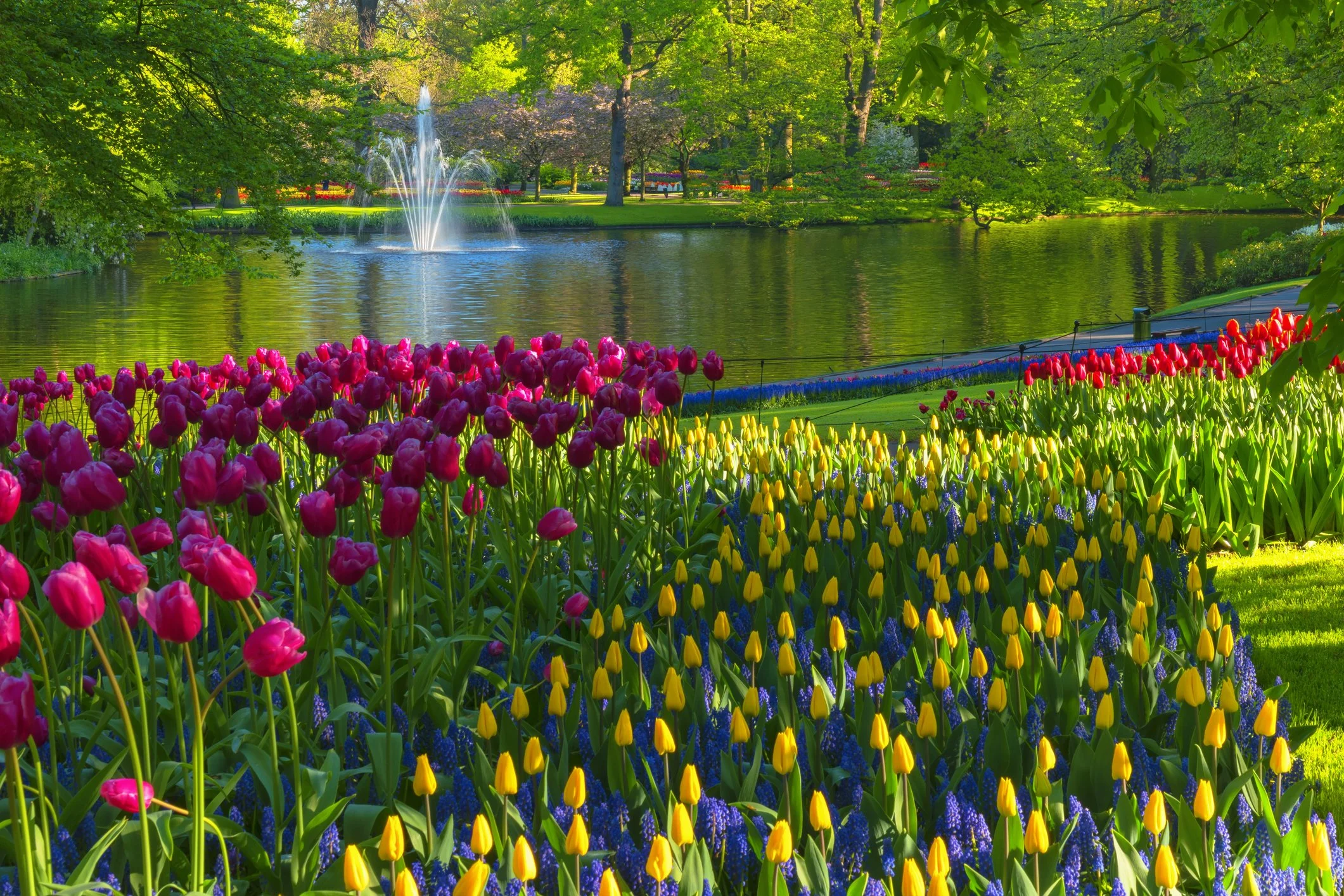
The most important rule is simple: purchase bulbs while the selection is good, but wait until the soil cools before planting them.
For Middle Tennessee, late October through December is generally the ideal window. Plant daffodils and smaller bulbs toward the earlier part of that period, and wait until November or December for tulips if the fall remains warm.
A little planting this fall can create weeks of joyful color next spring—just when the garden needs it most.