Seven Things to Do in Your Garden Before the First Frost
Fall in Middle Tennessee can keep gardeners guessing. One week may feel like summer, while the next brings a sudden nighttime frost warning.
The first frost does not mean the entire gardening season is over. Many cool-season vegetables, perennials, trees, and shrubs will continue growing. Tender annuals, tropical plants, summer vegetables, and certain bulbs, however, can be damaged or killed by even a brief period of cold.
A little preparation can help you protect favorite plants, preserve your harvest, and make next spring easier. Here are seven things to do before the first frost arrives.

Watch the Forecast and Decide What Really Needs Protection
Begin checking the nighttime forecast regularly as temperatures start falling into the 40s. Your garden’s exact temperature may differ from the official forecast depending on elevation, wind, cloud cover, and nearby buildings.
Low areas often become colder because cool air settles there. Plants growing beside a warm wall may remain protected, while those in open areas can experience frost sooner.
Frost, a freeze, and a hard freeze are not exactly the same. The National Weather Service generally associates frost with temperatures near the mid-30s, a freeze with temperatures at or below 32°F, and a hard freeze with temperatures around 28°F or below. Frost also depends on moisture and local conditions, so it can develop even when the official air temperature remains slightly above freezing. National Weather Service
Make a quick list of your plants:
Tender plants: tropical plants, summer annuals, warm-season vegetables, and tender bulbs
Cool-season plants: pansies, violas, snapdragons, ornamental cabbage, kale, and many fall vegetables
Hardy plants: trees, shrubs, and perennials suited to our growing zone
Focus your time and protection on plants that cold weather will actually damage. Hardy perennials do not need to be wrapped simply because frost is forecast.
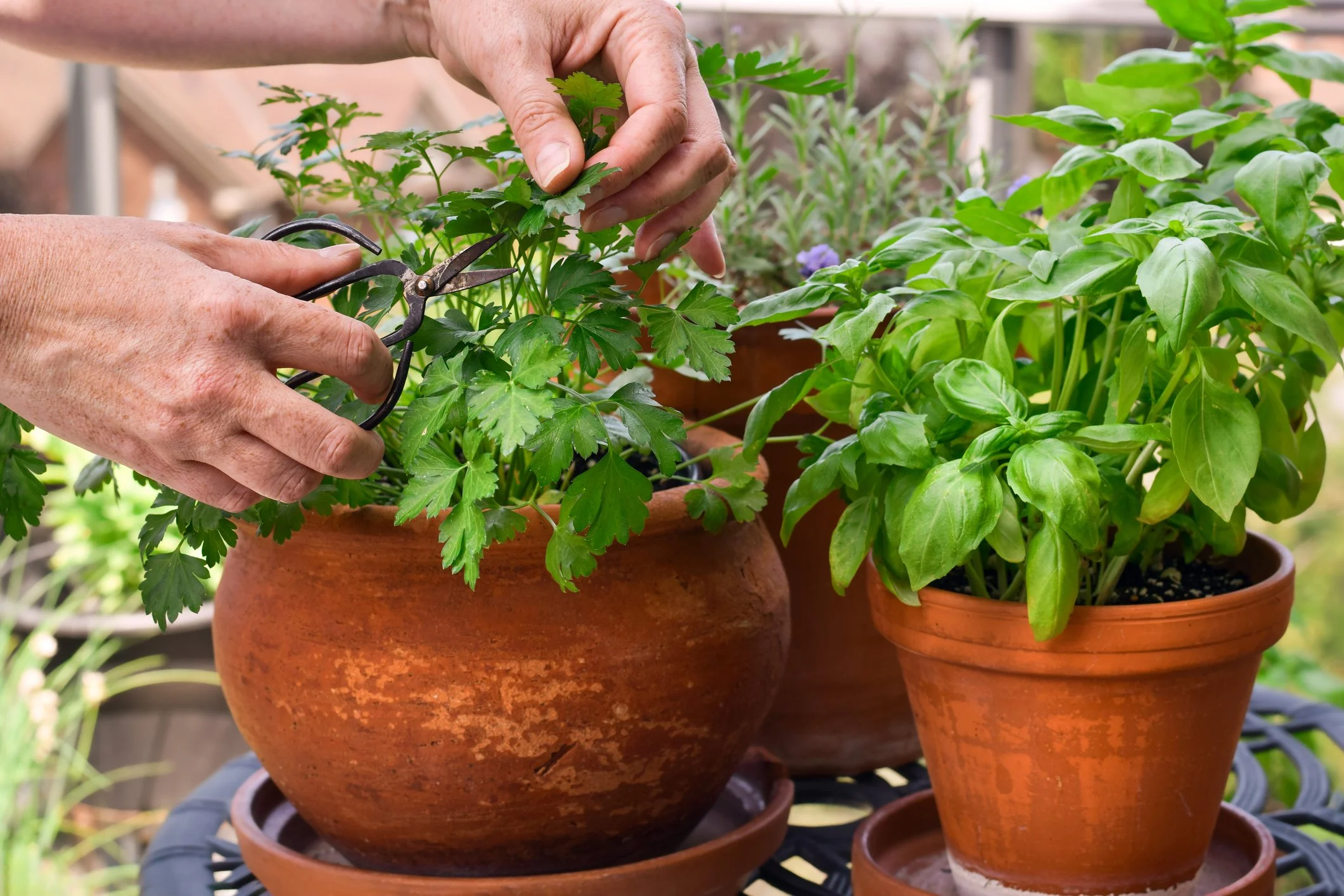
2. Harvest Warm-Season Vegetables and Herbs
Tomatoes, peppers, eggplant, cucumbers, beans, squash, basil, and other warm-season crops are easily damaged by frost.
Harvest mature produce before a cold night. Pick peppers and tomatoes even if they are not fully colored. Mature green tomatoes can continue ripening indoors when kept at room temperature and checked regularly.
Small, pale-green tomatoes that have not reached mature size may not ripen successfully. Use them in recipes calling for green tomatoes or add healthy, disease-free fruit to the compost pile.
Harvest herbs such as basil before frost blackens the foliage. You can:
Dry the leaves
Freeze chopped herbs in water or oil
Make pesto
Take cuttings to root indoors
Pot up a small plant for a bright kitchen window
Cool-season crops—including kale, collards, turnips, carrots, broccoli, and cabbage—can usually remain in the garden through light frost. In fact, some develop a sweeter flavor after exposure to cool temperatures.
Before harvesting everything, identify which vegetables benefit from cool weather and which will be lost.

3. Bring Houseplants and Tropical Plants Indoors
If houseplants have spent the summer outside, do not wait until the night of the first frost to move them.
Tropical plants may become stressed well before temperatures reach freezing. Begin bringing them inside when nighttime temperatures regularly drop into the 50s, depending on the plant.
Before moving a plant indoors:
Inspect the tops and undersides of the leaves.
Check stems, drainage holes, and the surface of the potting mix.
Remove yellow leaves and fallen debris.
Look for aphids, spider mites, scale, whiteflies, ants, slugs, and other hitchhikers.
Rinse the foliage with water when appropriate.
Isolate the plant from your other houseplants for a few weeks.
Decide which plants are truly worth saving. A large, declining annual may require more indoor light and space than you can provide. It is perfectly acceptable to thank it for a beautiful season and let it go.
For plants that are too large to bring indoors, consider taking cuttings. Coleus, begonias, geraniums, and several other tender plants can sometimes be overwintered from rooted cuttings rather than as full-size plants.
Remember that outdoor shade is often brighter than indoor light. Even a sunny room may not provide enough light for plants that grew in full sun, so expect a period of adjustment.
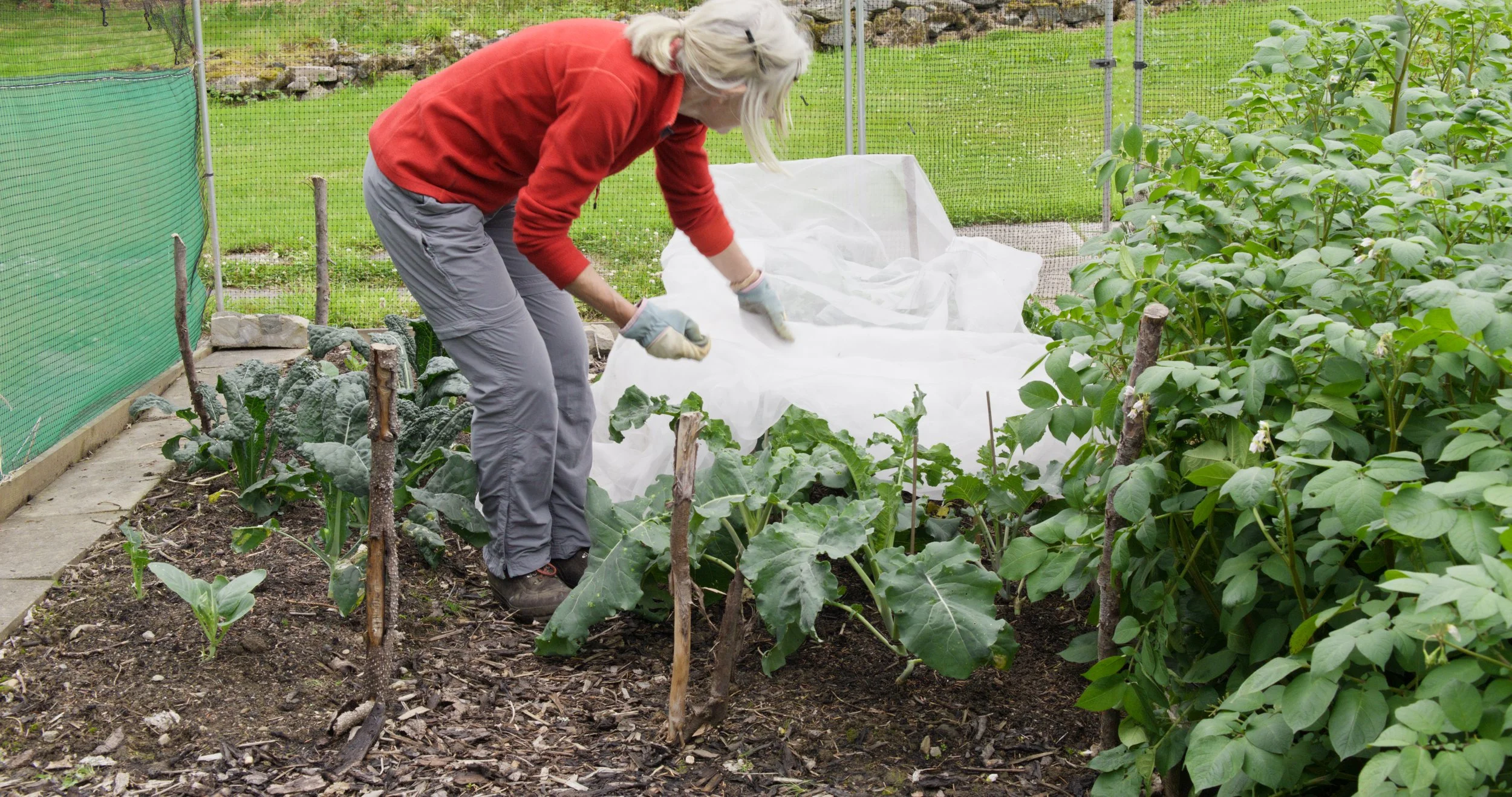
4. Protect Tender Plants You Want to Keep Growing
Sometimes the first frost is followed by several weeks of mild weather. Covering a few plants for one or two nights may extend their season.
Use:
Frost cloth
Lightweight blankets
Bed sheets
Row cover
Upside-down boxes or containers for small plants
Drape the covering over the entire plant and allow it to reach the ground. The goal is to trap warmth rising from the soil—not simply wrap the foliage.
Support heavy coverings with stakes or a simple frame so they do not crush delicate plants. Secure the edges to prevent cold air from entering.
Avoid placing plastic directly against the leaves. Where plastic touches the plant, the foliage may still be damaged. If plastic is the only option, support it above the plant and add a fabric layer underneath.
Cover plants before sunset, while warmth remains in the soil. Remove or open the coverings the following morning once temperatures rise, especially if the day will be sunny.
Watering dry soil earlier in the day may also help because moist soil holds heat better than extremely dry soil. Do not soak plants immediately before temperatures fall, and avoid leaving foliage wet overnight.
Container plants are especially vulnerable because their roots are exposed to cold from every side. Move smaller pots into a garage, shed, enclosed porch, or sheltered area near the house.
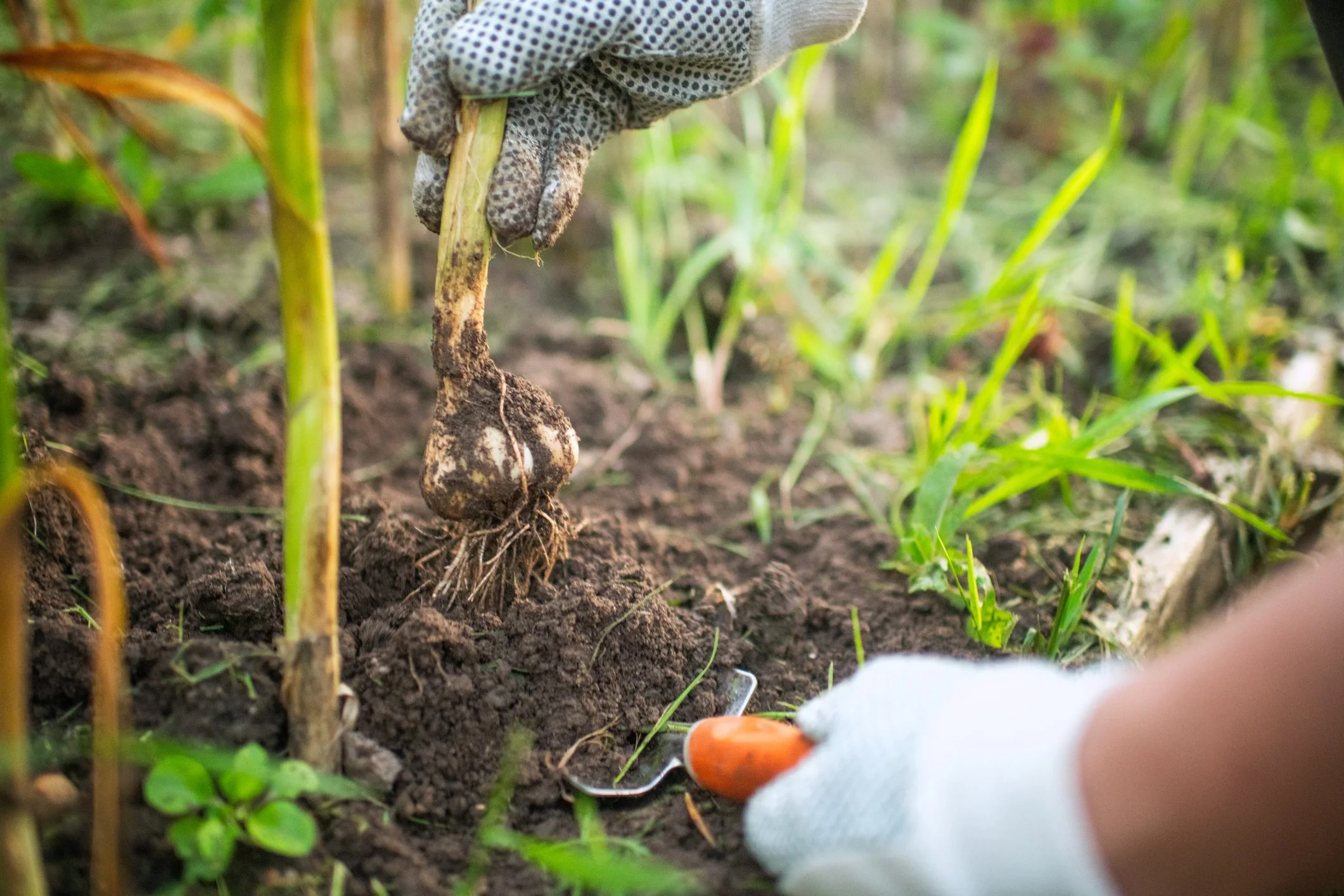
5. Dig & Store Tender Bulbs and Tubers
Some plants grow from underground structures that will not reliably survive a Middle Tennessee winter.
These may include:
Caladiums
Elephant ears
Cannas
Dahlias
Tuberous begonias
Gladiolus
Storage requirements vary, so identify the plant before digging it.
In many cases, you can wait until frost has damaged the foliage, then cut the plant back and carefully lift the bulbs or tubers. Remove excess soil without damaging them and allow them to dry or cure as recommended for that particular plant.
Label everything before putting it away. By spring, it may be difficult to tell one variety from another.
Store tender bulbs in a cool, dark, frost-free location with appropriate ventilation. They should not freeze, become excessively warm, or remain wet. Check them occasionally during winter and remove anything that has become soft or rotten.
Some tender plants may survive outdoors in a protected Middle Tennessee garden during a mild winter, but digging and storing valuable varieties is the safer choice.
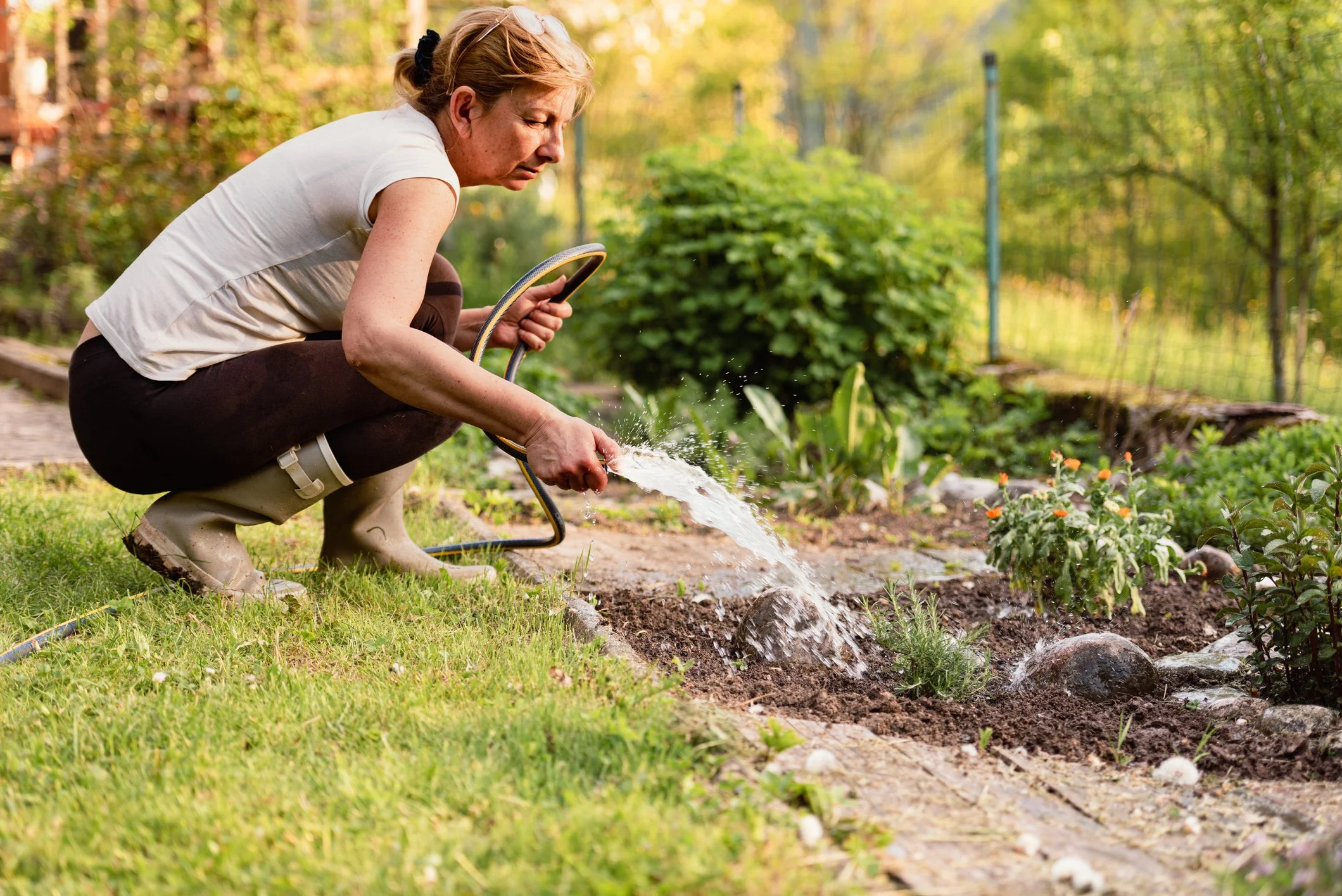
6. Water and Mulch Trees, Shrubs, and Perennials
Gardeners often stop thinking about watering once the weather cools, but plants still need moisture going into winter.
Recently planted trees, shrubs, and perennials are especially vulnerable because their roots have not spread far into the surrounding soil. Evergreens continue losing moisture through their foliage during winter and can suffer when the ground is dry.
If fall rainfall has been limited, water deeply before freezing weather arrives. Apply water slowly over the root zone rather than directing a quick splash at the trunk.
After watering, add two to three inches of mulch around trees, shrubs, and perennials. Mulch helps:
Conserve soil moisture
Moderate temperature changes
Reduce weed competition
Protect shallow roots
Limit repeated freezing and thawing
Keep mulch several inches away from tree trunks, shrub stems, and perennial crowns. Piling mulch against a plant can hold excess moisture against the bark and encourage disease, decay, or pest problems.
Do not apply a heavy dose of fertilizer to trees and shrubs just before frost. Tender new growth encouraged late in the season may not have time to harden before cold weather.
7. Clean Up Thoughtfully - But Don’t Remove Everything
Fall cleanup does not require stripping the garden bare.
Remove:
Diseased vegetable plants
Heavily infested foliage
Rotten fruit
Annuals that have finished
Weeds before they produce seed
Fallen leaves with recurring disease problems
Damaged pots and broken plant supports
Healthy plant material can usually be composted. Diseased or heavily pest-infested material may need to be discarded instead.
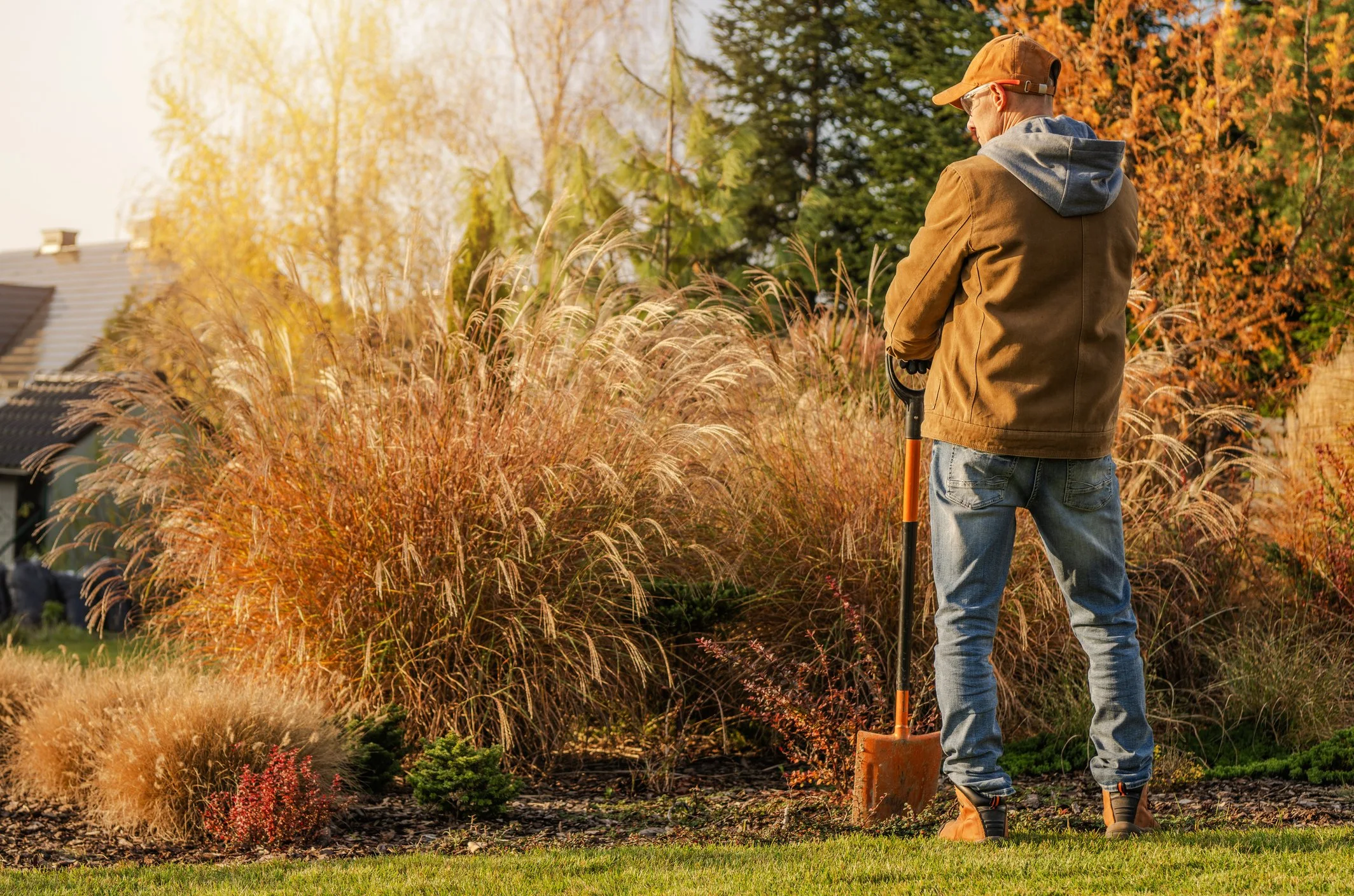
Leave some healthy perennial stems and seed heads standing through winter. Coneflowers, black-eyed Susans, ornamental grasses, asters, goldenrod, and other plants provide food, shelter, and nesting sites for birds and beneficial insects.
Hollow and pithy stems are particularly valuable to some native bees. Leaving them until spring supports wildlife and gives the winter garden more structure.
This is also a good time to:
Collect seeds from favorite flowers
Label perennials before they disappear
Empty and clean unused containers
Drain hoses and watering wands
Disconnect hoses from outdoor faucets
Clean and sharpen garden tools
Store fertilizers and garden products safely
Make notes about what worked—and what did not
If you use an irrigation system, follow the manufacturer’s recommendations for winter preparation. Water left in exposed components can freeze and cause damage.
Don’t Panic When Frost Is Forecast
The first frost is a transition, not an ending.
Some plants will finish their season, others can be protected for a few more weeks, and many hardy plants will simply begin settling into winter dormancy. The goal is not to cover your entire landscape. It is to protect the plants that matter, harvest what you can, and prepare the garden thoughtfully for the colder months ahead.
If you are unsure whether a plant should be brought indoors, covered, dug up, or left alone, take a photo and visit us! Our team can help you identify the plant and choose the right next step—so you can head into winter feeling prepared and look forward to a healthier garden next spring.