

Why Fall is the Best Time to Plant Trees and Shrubs
Spring may be known as planting season, but when it comes to trees and shrubs, fall often provides the best conditions for long-term success.
In Middle Tennessee, the combination of cooler air, warm soil, and more dependable rainfall gives newly planted trees and shrubs an opportunity to develop roots without the intense stress of summer. Instead of trying to produce new leaves, flowers, and roots all at once, the plant can direct more of its energy underground.
By the time spring arrives, a fall-planted tree or shrub is already settling into its new home—and is better prepared for the heat that follows.
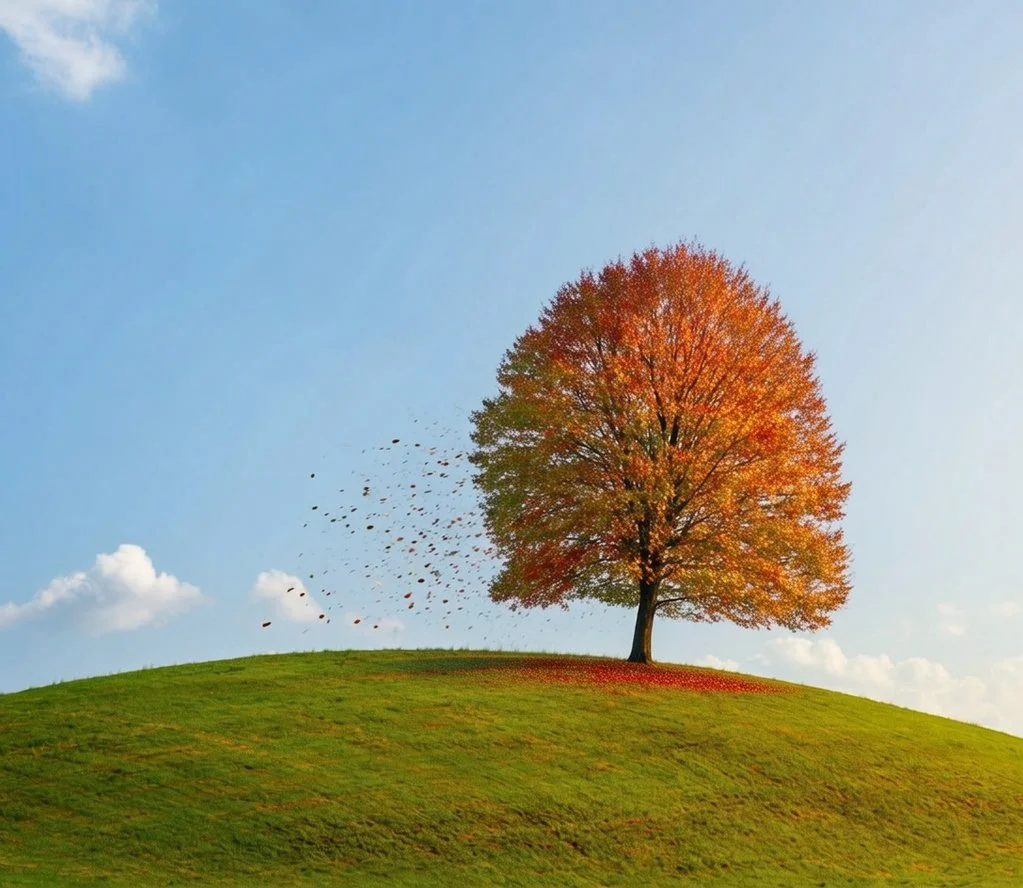
Cooler Air Means Less Stress
Planting during summer can be hard on both the gardener and the plant. High temperatures, strong sunlight, and dry weather cause leaves to lose moisture rapidly.
A newly installed tree or shrub has a limited root system and may struggle to replace that moisture quickly enough. This can lead to wilting, scorched leaves, premature leaf drop, or transplant shock.
Fall’s cooler air slows moisture loss from the leaves. Deciduous plants also begin dropping their foliage and entering dormancy, so they no longer need to support a full canopy.
The plant may appear inactive above ground, but important work is still taking place below the soil.
The Soil is Still Warm
Air temperatures may feel cool in fall, but the soil retains warmth much longer. Those moderate soil temperatures encourage root growth even after the top of the plant has stopped actively growing.
As long as the soil remains warm enough and has adequate moisture, new roots can begin moving beyond the original root ball and into the surrounding ground. Extension guidance explains that root growth can continue after shoot growth has stopped, giving fall-planted trees and shrubs time to establish before winter. University of New Hampshire Extension
When spring arrives, the plant can resume growth with a larger, better-established root system than a tree or shrub planted only a few weeks earlier.
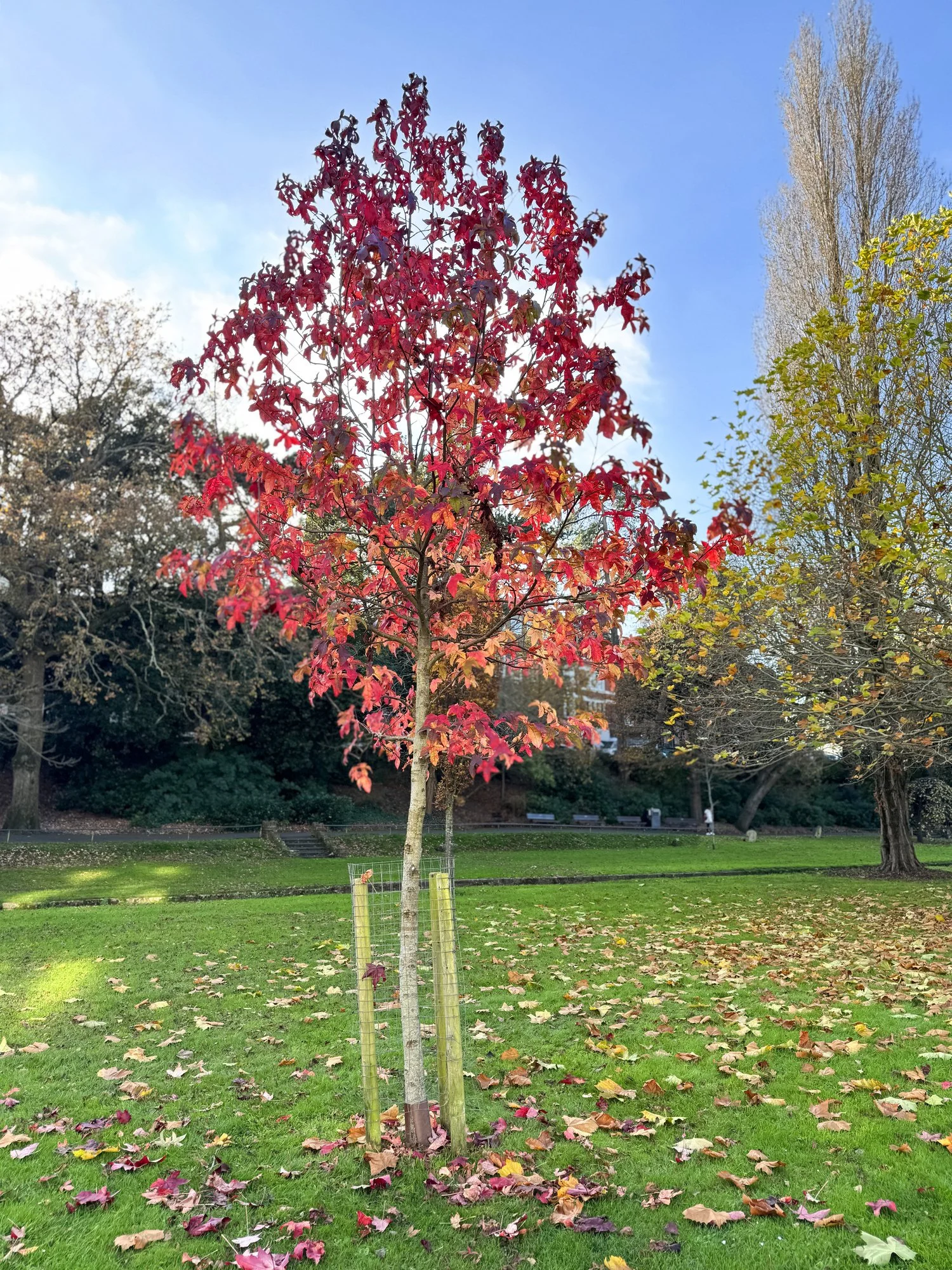
Plants Have More Time Before Summer
A spring-planted tree may have only a short period of mild weather before Tennessee’s summer heat arrives. If spring turns hot and dry quickly, the new plant must face stressful conditions before its roots have spread into the surrounding soil.
Fall planting gives many trees and shrubs the benefit of:
Several weeks of root growth during fall
Periods of root activity during mild winter weather
Another growing period in early spring
More time to become established before summer heat
This head start does not mean a fall-planted tree can be ignored the following year, but it may be better prepared to handle its first summer.
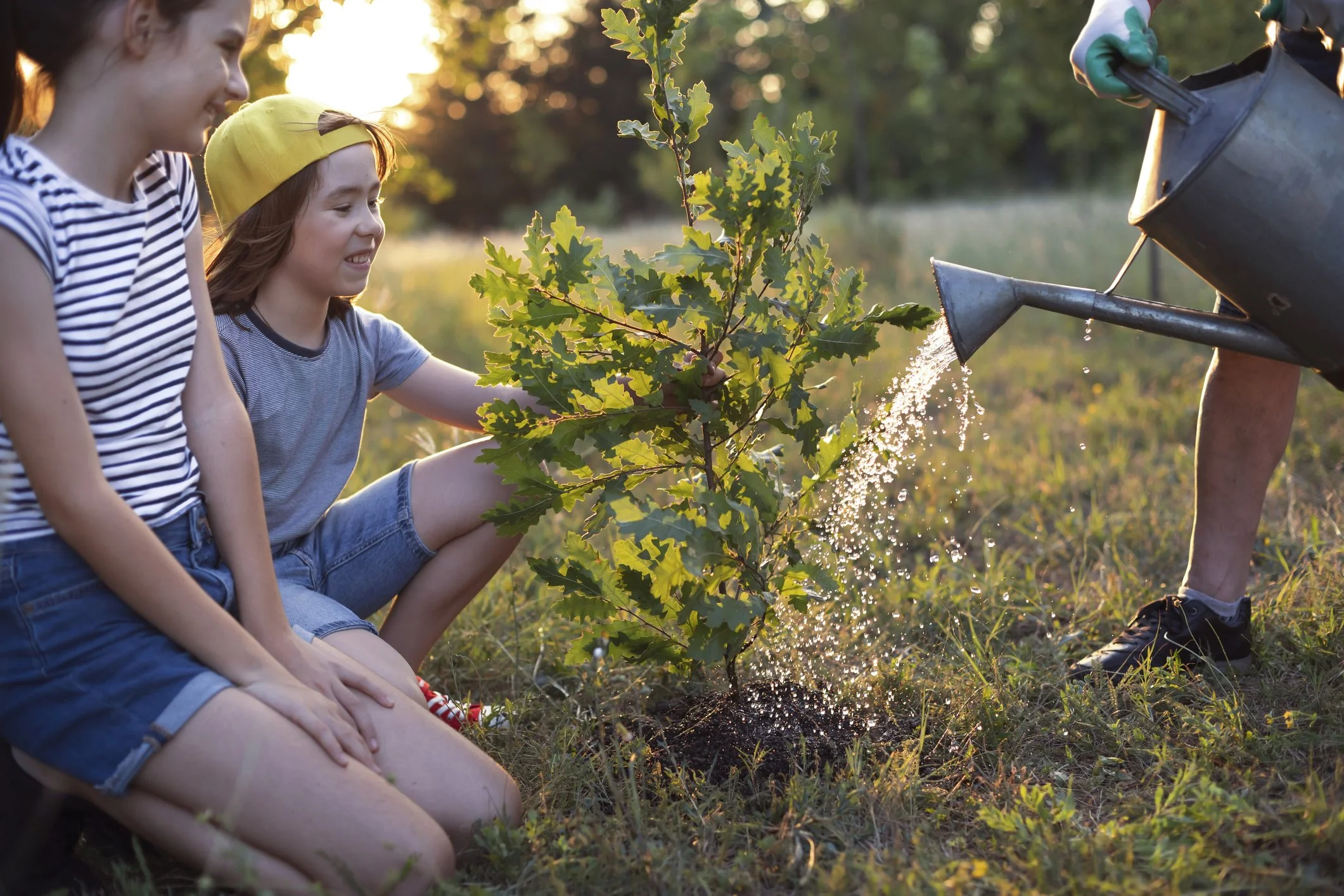
Fall Weather Often Makes Watering Easier
New trees and shrubs require consistent moisture regardless of when they are planted. Fall’s cooler temperatures usually mean the soil dries more slowly, reducing—but not eliminating—the need for supplemental watering.
Autumn rain can also help maintain more even soil moisture. However, rainfall should never be assumed. A light shower may wet the surface without reaching the entire root ball.
Check the soil several inches deep near the plant. If it feels dry, water slowly and thoroughly. Continue checking newly planted trees and shrubs until cold weather arrives, and monitor them during dry winter periods when the ground is not frozen.
Evergreens are especially important to watch because they continue losing moisture through their foliage during winter.
It Is Easier to Evaluate Your Landscape
Fall reveals things about a landscape that may be harder to notice during spring’s rush of growth.
You can see:
Where additional fall color is needed
Which areas lack winter structure
Where summer shade would be helpful
Which plants have outgrown their locations
Where privacy or screening is needed
Which areas remain wet or become especially dry
Fall is also a wonderful time to see trees and shrubs at their seasonal peak. You can choose plants for autumn leaf color, berries, bark, evergreen foliage, or interesting branch structure rather than thinking only about spring flowers.
Oakleaf hydrangeas, beautyberries, viburnums, hollies, native dogwoods, serviceberries, redbuds, maples, black gums, and many other plants provide multiple seasons of beauty.
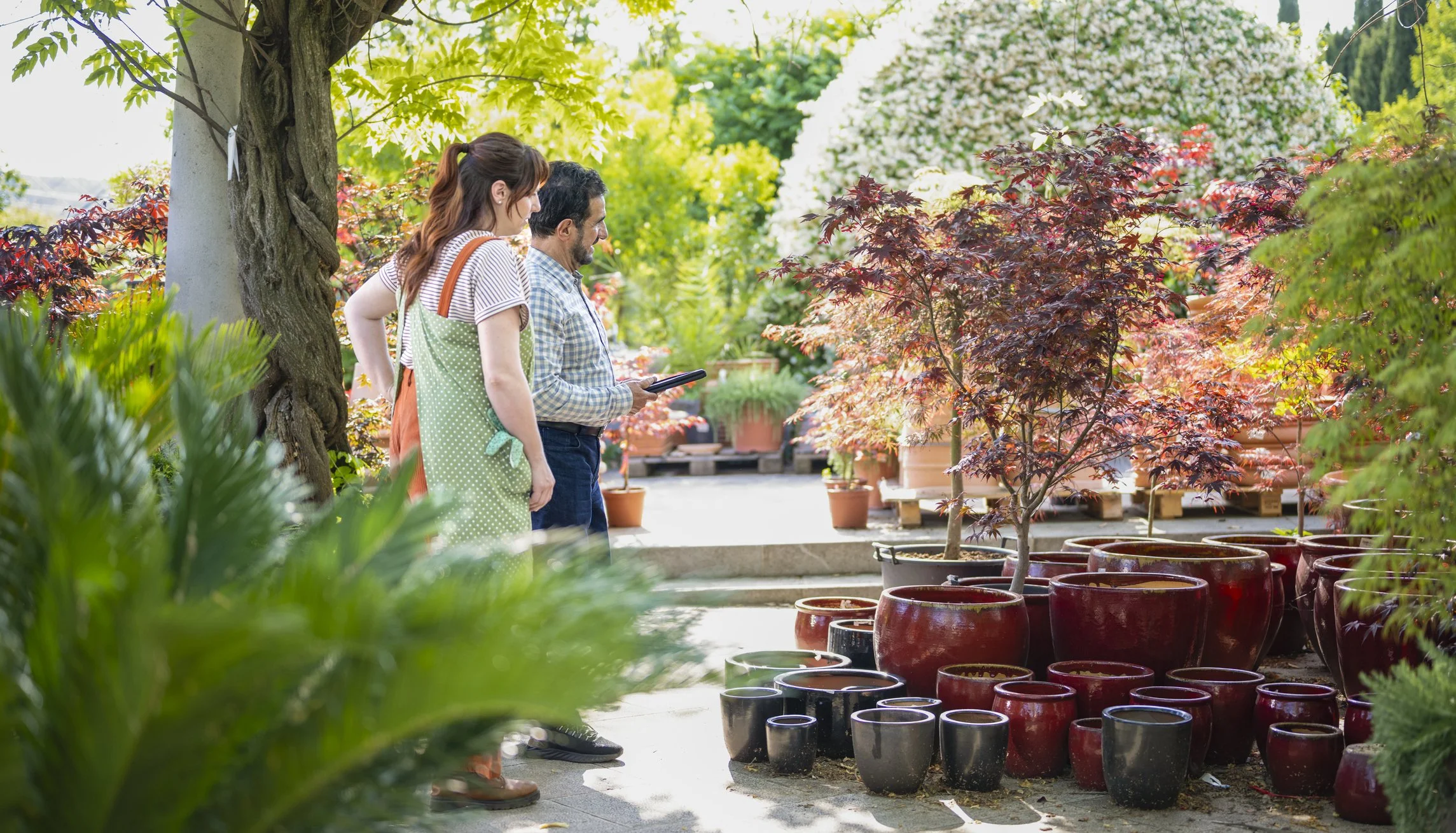
Plant Selection Still Comes First
Fall’s favorable weather cannot compensate for placing the wrong plant in the wrong location.
Before purchasing a tree or shrub, consider:
Mature height and width
Sunlight throughout the day
Soil drainage
Available root space
Distance from buildings and utility lines
Overhead power lines
Deer pressure
Maintenance requirements
Cold hardiness
Whether the plant is evergreen or deciduous
A shrub planted too close to the house will not remain small simply because it is pruned every year. A shade-loving plant will not become sun-tolerant with extra water. A tree that requires good drainage will not thrive in a location that stays saturated.
Choosing the right plant for the site is one of the best ways to prevent future problems.

How Late in the Fall Can You Plant?
In Middle Tennessee, September, October, and much of November can offer excellent planting weather. Container-grown trees and shrubs can generally be planted as long as the soil is workable and not frozen or waterlogged.
Earlier is better for broadleaf evergreens and plants that are near the edge of their cold-hardiness range. Evergreens such as hollies, boxwoods, and certain magnolias keep their foliage through winter and may lose moisture during cold, windy weather. Planting them earlier gives their roots more time to become established.
Some trees with thick or fleshy root systems may also establish more reliably when planted in spring. If you are considering a particular species late in the season, ask whether fall is the best planting time for that plant.
Planting Depth Makes a Big Difference
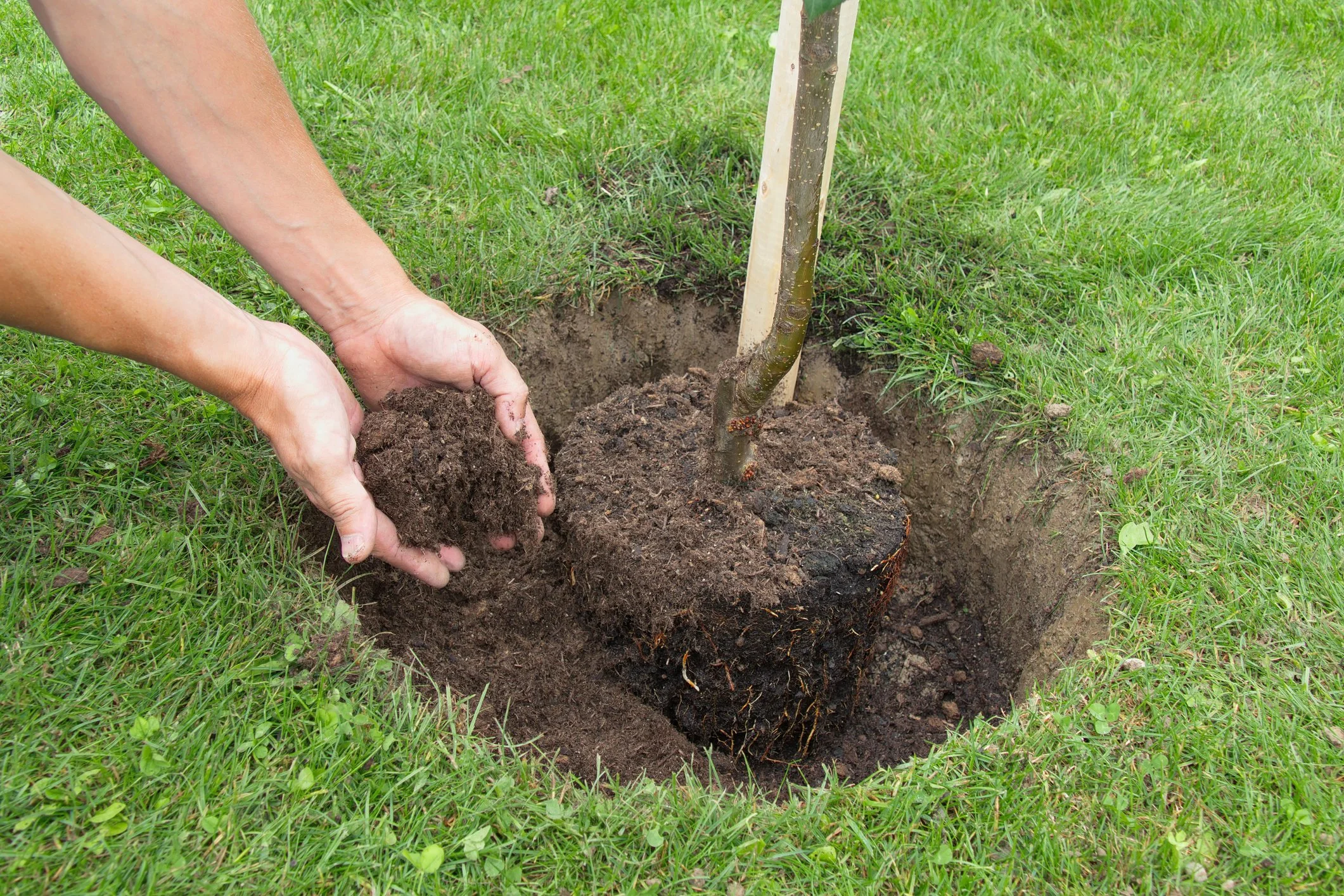
A tree or shrub planted too deeply may struggle for years. The root flare—the area where the trunk begins widening into the major roots—should remain visible at or slightly above the surrounding soil level.
Dig the hole approximately two to three times wider than the root ball, but no deeper than the root ball itself. A wide hole loosens the surrounding soil and makes it easier for new roots to spread.
Before planting a container-grown tree or shrub, inspect the root system. Loosen or correct circling roots so they can grow outward rather than continuing to wrap around the root ball.
Backfill primarily with the soil removed from the hole. Heavily amending only the planting hole can create an abrupt difference between the loose soil in the hole and the surrounding native soil.
Water thoroughly after planting to settle the soil and eliminate large air pockets.
Mulch Properly
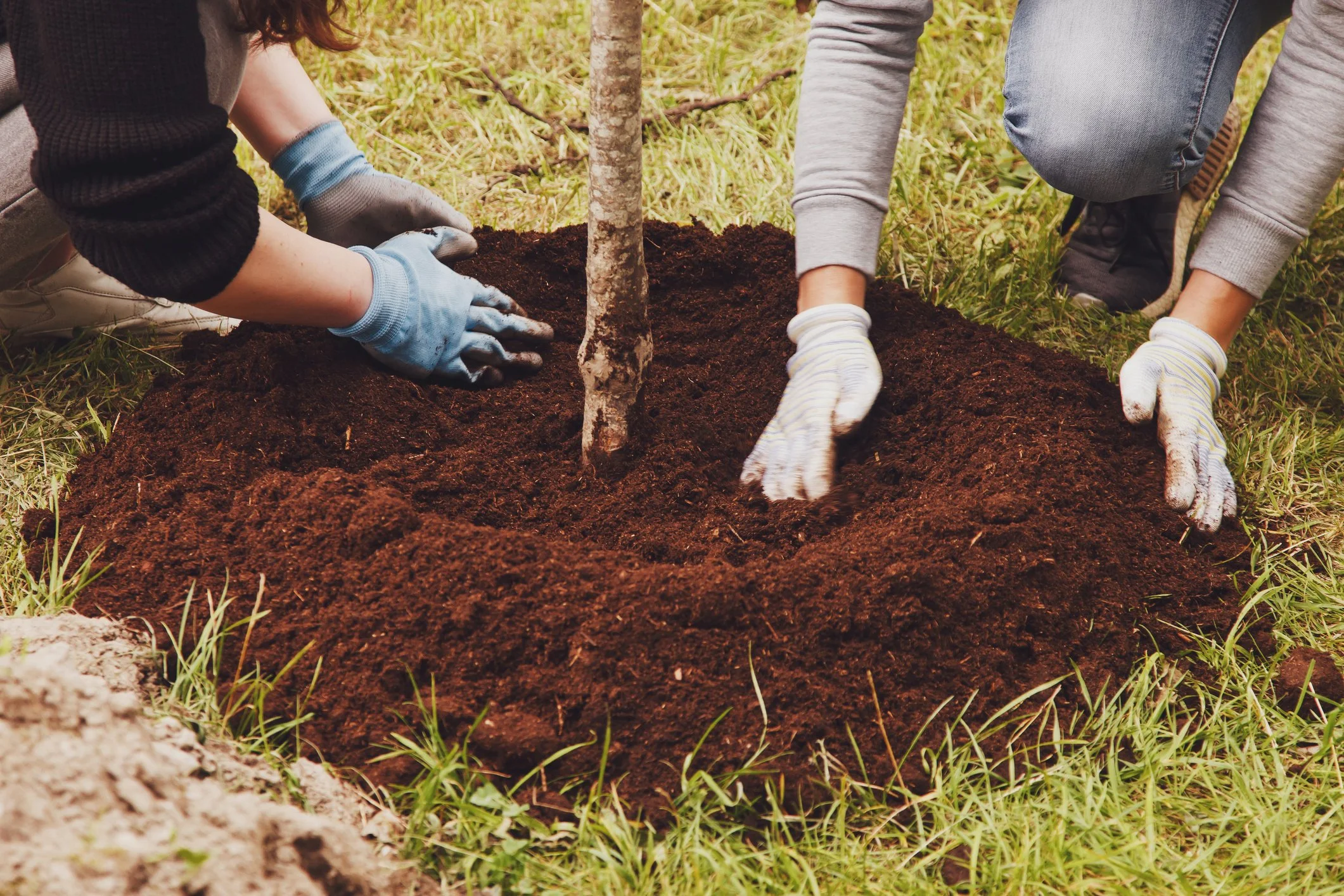
Apply two to three inches of mulch over the root zone to conserve moisture, moderate soil temperature, and reduce competition from grass and weeds.
Spread the mulch broadly, but keep it several inches away from the trunk or main stems. Mulch piled against a trunk—sometimes called volcano mulching—can hold excess moisture against the bark, conceal damage, and encourage roots to grow in unhealthy patterns.
Think “wide and shallow,” not “tall and deep.”
Don’t Forget the Water
Fall planting reduces stress, but it does not make a plant self-sufficient.
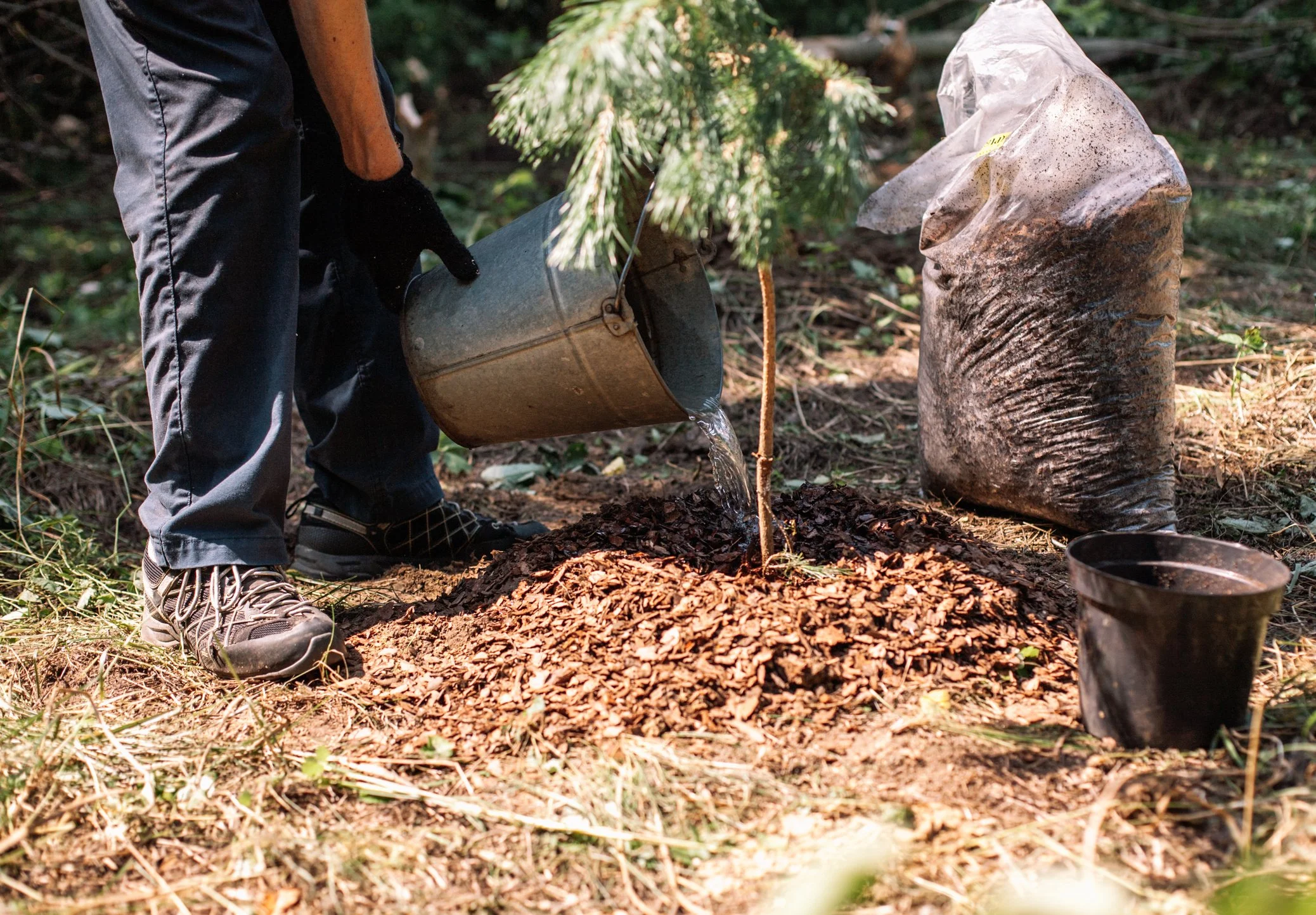
Water deeply after planting and continue checking the soil regularly. The root ball can become dry even when the surrounding soil feels damp, particularly with container-grown plants.
Rather than giving a quick splash every day, water slowly enough to moisten the entire root zone. The exact frequency will depend on rainfall, soil type, drainage, temperature, and the size of the plant.
Continue monitoring moisture during the plant’s first full year, especially through its first Tennessee summer.
Skip Heavy Fertilizing and Pruning
A newly planted tree or shrub should focus on root establishment. Unless a soil test or specific plant need indicates otherwise, heavy fertilization at planting is usually unnecessary.
Avoid severe pruning as well. Remove broken, dead, or damaged branches, but leave healthy foliage and stems in place. The plant needs them to produce energy and support new root growth.
Staking is not always necessary. If a tree is stable on its own, allowing a small amount of natural movement can help it develop a stronger trunk. Stake only when the root ball cannot remain stable, and remove the supports once they are no longer needed.
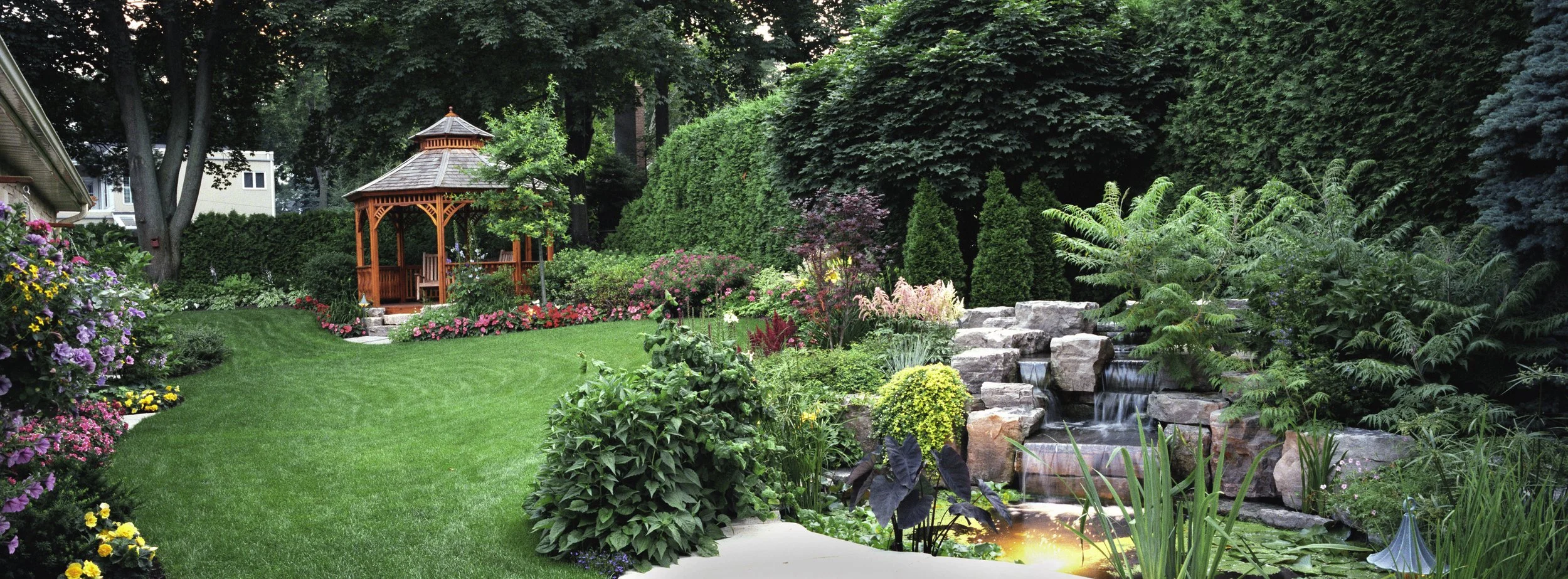
Plant This Fall for Seasons of Beauty
Planting a tree or shrub is an investment in the future. It may eventually provide shade, privacy, flowers, fall color, food and shelter for wildlife, or a beautiful focal point for your landscape.
Fall provides an especially favorable opportunity to make that investment. Cooler air reduces stress, warm soil supports root development, and the plant gains valuable time before facing summer heat.
Visit Fernwood Garden Center with photos of your planting area and information about its sunlight, soil, drainage, and available space. Our team can help you select the right tree or shrub and show you how to plant it correctly—so it can establish strong roots and bring beauty to your landscape for years to come.