

Best Late-Summer Flowers for Pollinators
Late summer can be a difficult season for pollinators. Many spring and early-summer flowers have finished blooming, while bees, butterflies, hummingbirds, and other beneficial visitors are still searching for nectar and pollen.
Monarch butterflies are preparing for their fall migration. Bumblebee colonies are raising new queens. Native bees are gathering food before completing their life cycles, and hummingbirds are fueling up for their journey south.
By adding flowers that bloom from August into fall, you can fill an important gap in the garden—and enjoy fresh color at a time when many landscapes are beginning to look tired.
Here are some of the best late-summer flowers for pollinators in Middle Tennessee.
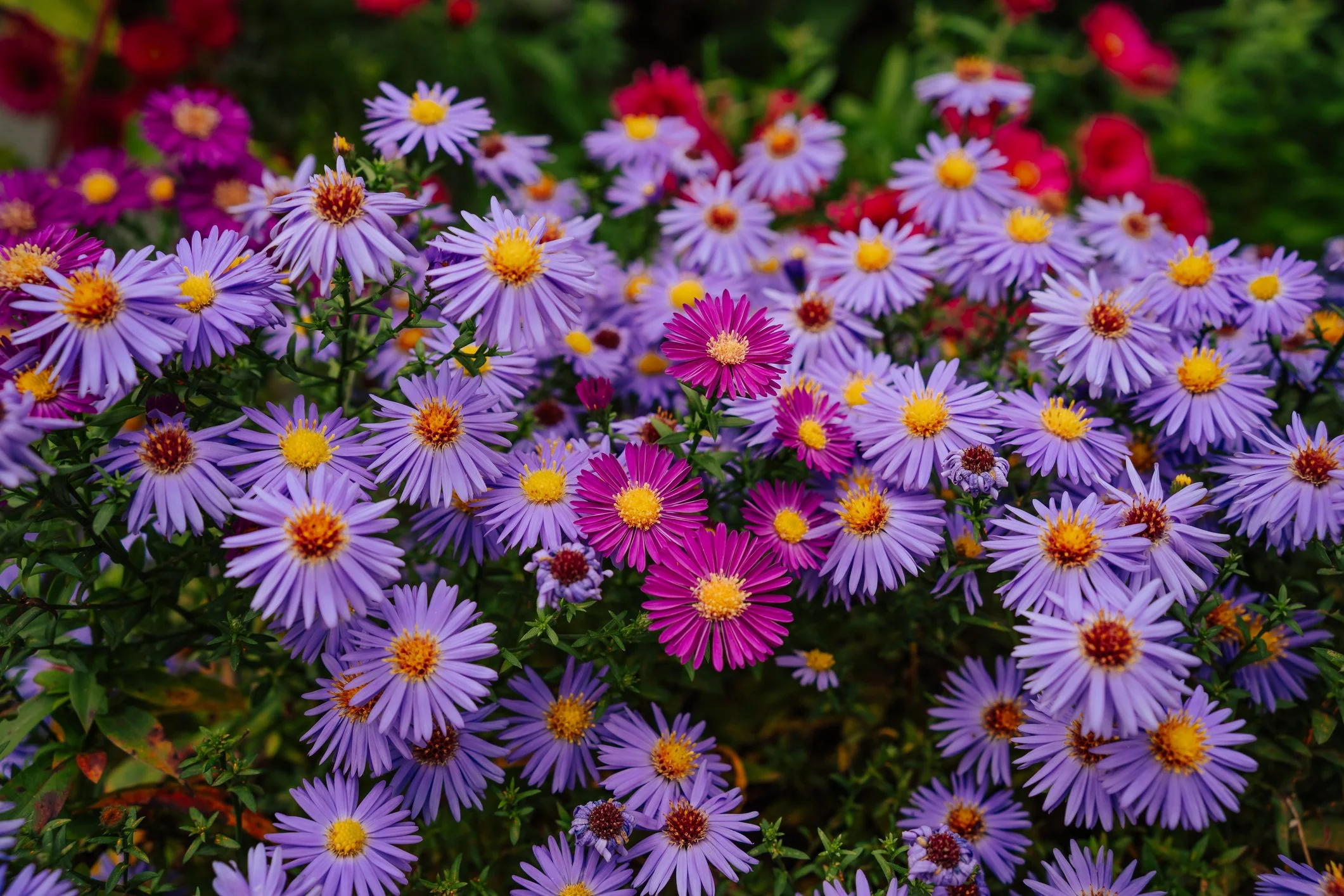
Asters
Asters are among the most valuable late-season flowers for bees and butterflies. Their daisy-like blooms may be blue, purple, pink, or white, with each flower providing a landing place made up of many tiny nectar- and pollen-rich florets.
Different aster species and varieties bloom at slightly different times, so planting more than one can extend the display. Native asters are especially useful because they support both adult pollinators and other native insects.
Most asters grow best in full sun and well-drained soil. Taller types may benefit from being pinched back in late spring to encourage branching and a fuller shape, but avoid cutting them back once flower buds begin to form.
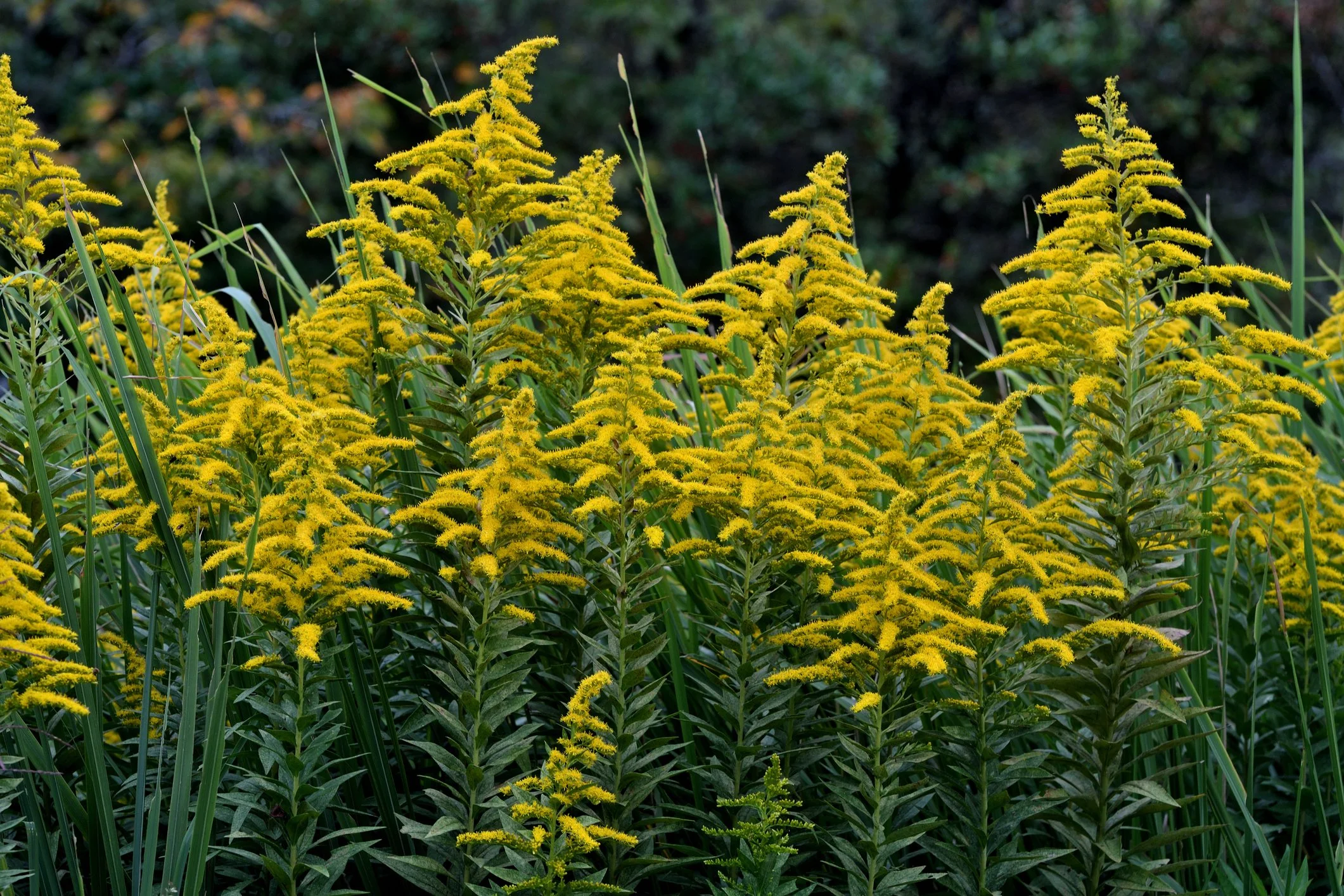
Goldenrod
Goldenrod is sometimes blamed for seasonal allergies, but its pollen is heavy and carried primarily by insects rather than wind. Ragweed—which blooms at the same time—is usually the real source of late-summer pollen problems.
Goldenrod’s bright yellow flower clusters attract an impressive assortment of bees, butterflies, beetles, and beneficial wasps. It is also an important source of late-season energy for migrating monarchs.
Some native goldenrods spread enthusiastically, so choose a species or cultivated variety that fits your garden. Compact selections are available for smaller beds, while taller native forms are excellent for naturalized areas and meadow-style plantings.
Goldenrod prefers sun and generally tolerates heat, drought, and less-than-perfect soil once established.
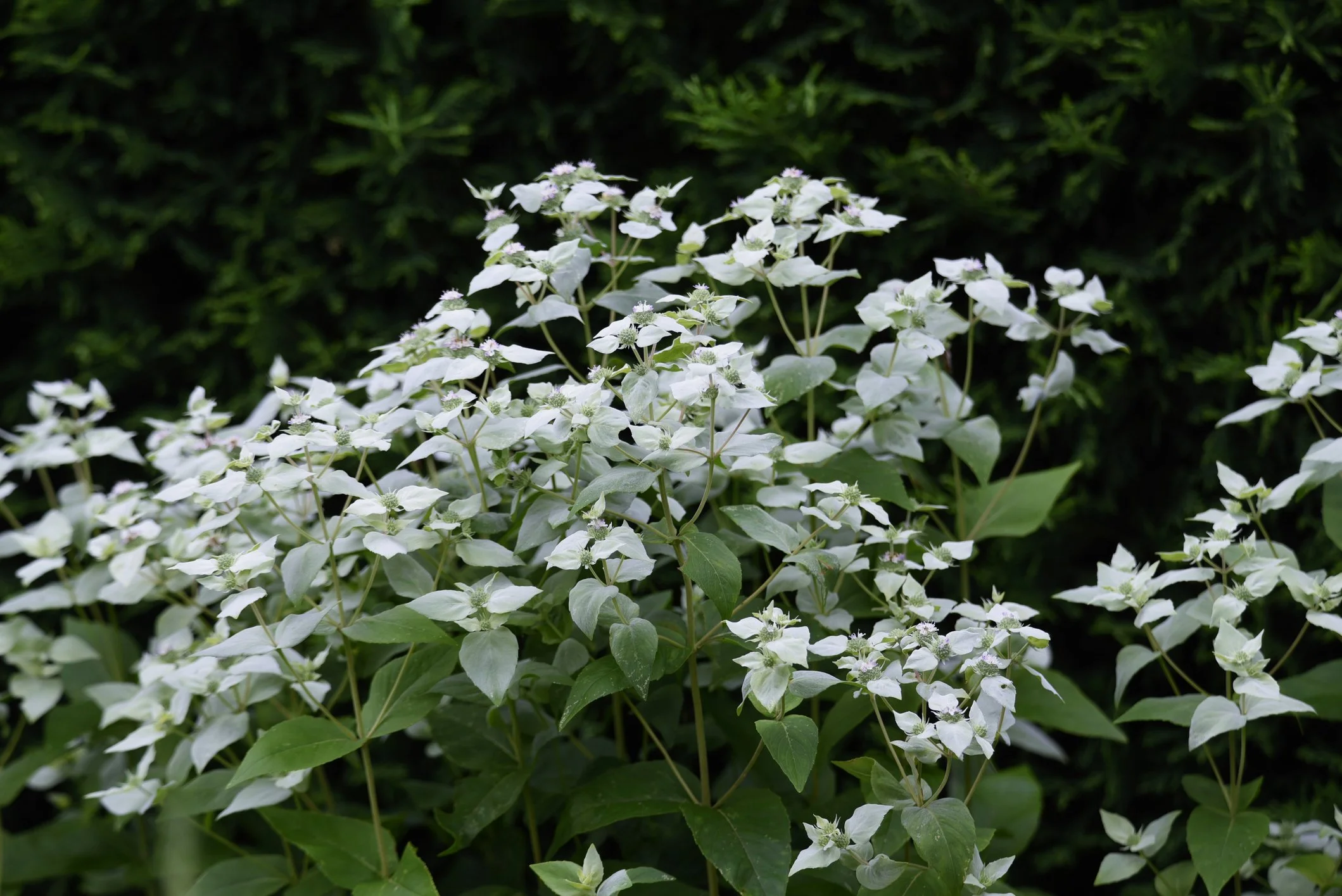
Mountain Mint
(Pycnanthemum miticum)
Mountain mint may not have the largest or showiest flowers in the garden, but pollinators find it irresistible.
Short-toothed mountain mint produces silvery upper leaves surrounding clusters of small white or pale lavender flowers. The University of Tennessee’s pollinator-plant research recorded more pollinator visits to short-toothed mountain mint than to any of the other native perennials included in its study.
Expect to see native bees, honeybees, butterflies, beneficial wasps, and beetles gathering on the flowers.
Mountain mint grows well in sun to partial shade and tolerates a range of soils. It spreads by underground stems, so give it room to form a colony or control its growth by removing wandering shoots.
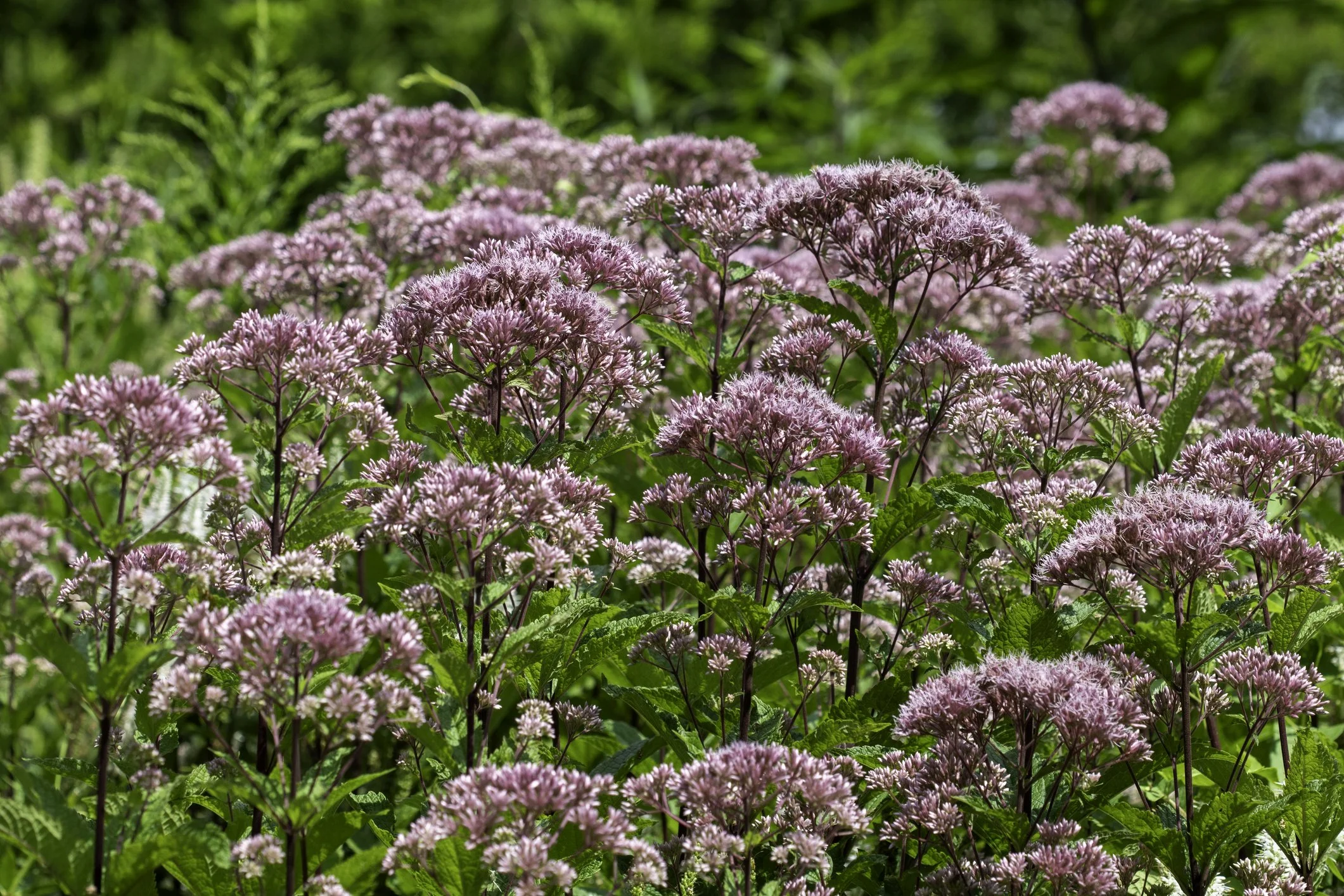
Joe Pye Weed
(Eutrochium)
Joe-Pye weed produces large domes of soft pink or mauve flowers on tall stems. Its height makes it a striking choice for the back of a border, a rain garden, or a naturalized planting.
The flowers attract butterflies, including swallowtails and monarchs, along with bumblebees and many smaller pollinators.
Traditional Joe-Pye weed can grow quite tall, but more compact varieties are available for smaller landscapes. Most perform best in sun or light shade with soil that stays moderately moist.
If you have a low area that retains more moisture than the rest of the garden, Joe-Pye weed may be an excellent fit.
Ironweed
(Vernonia faschiculata)
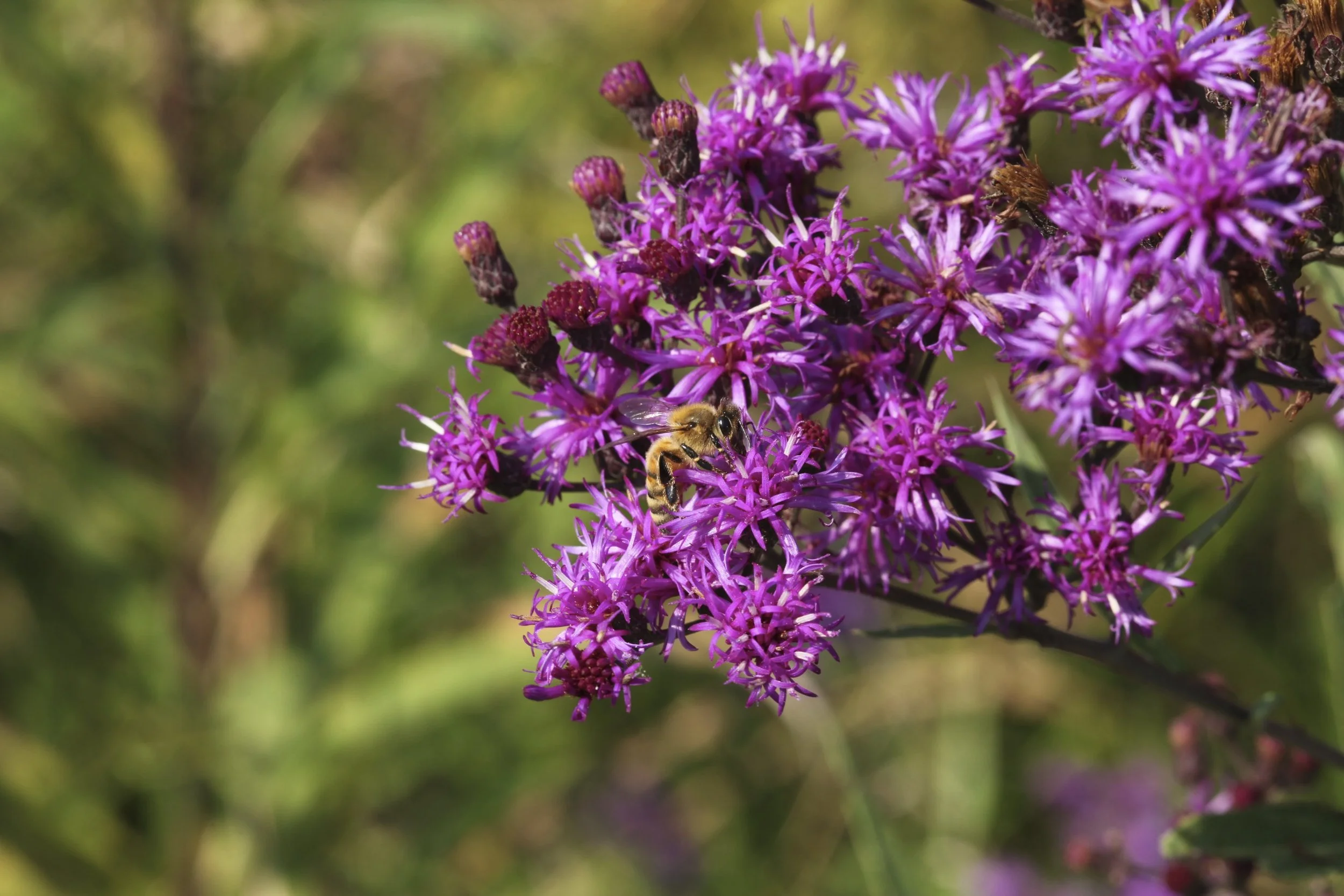
Ironweed is a bold Tennessee native with clusters of vivid purple flowers. It blooms during the hottest part of summer and continues providing nectar as the season begins to change.
Its intense purple color pairs beautifully with the yellow blooms of goldenrod, black-eyed Susans, and native sunflowers. Butterflies and bees visit the flowers frequently.
Ironweed is naturally tall and works best toward the back of a border or in a meadow-style garden. Some cultivated selections remain shorter and are easier to incorporate into a traditional landscape.
Plant it in full sun. Established plants are sturdy and tolerant of summer heat.
Black-Eyed Susans
(Rudbeckia hirta)
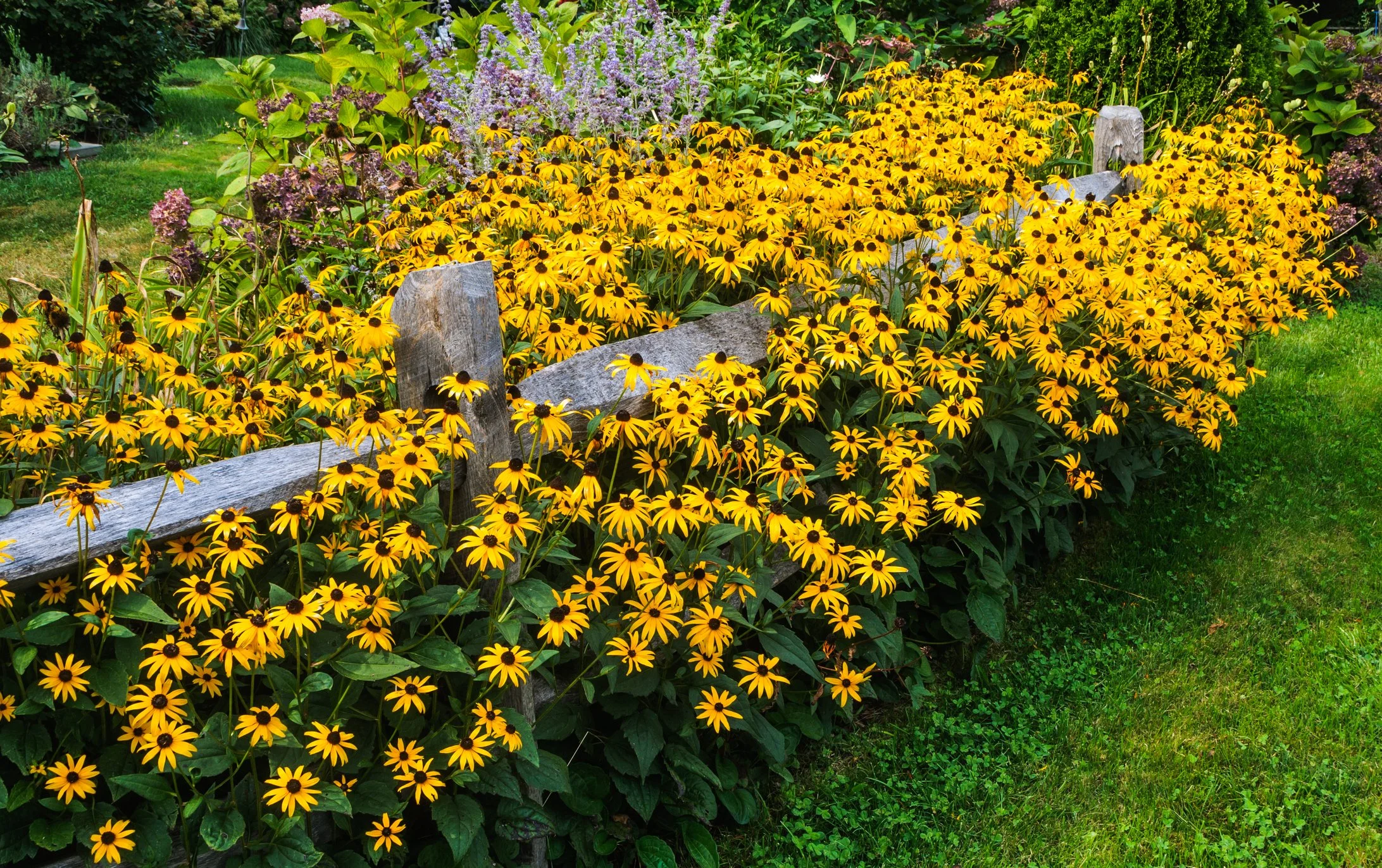
Black-eyed Susans bring cheerful golden color to summer gardens, and many continue flowering into early fall.
Their open flower shape makes nectar and pollen accessible to a wide variety of insects. Native bees, butterflies, beetles, and beneficial flies may all visit the same planting.
Black-eyed Susans perform best in full sun and well-drained soil. Deadheading can encourage additional blooms, but leave some mature seed heads standing for birds and winter interest.
Different species may be annual, biennial, or perennial, so check the plant label when choosing one for your garden.
Helenium
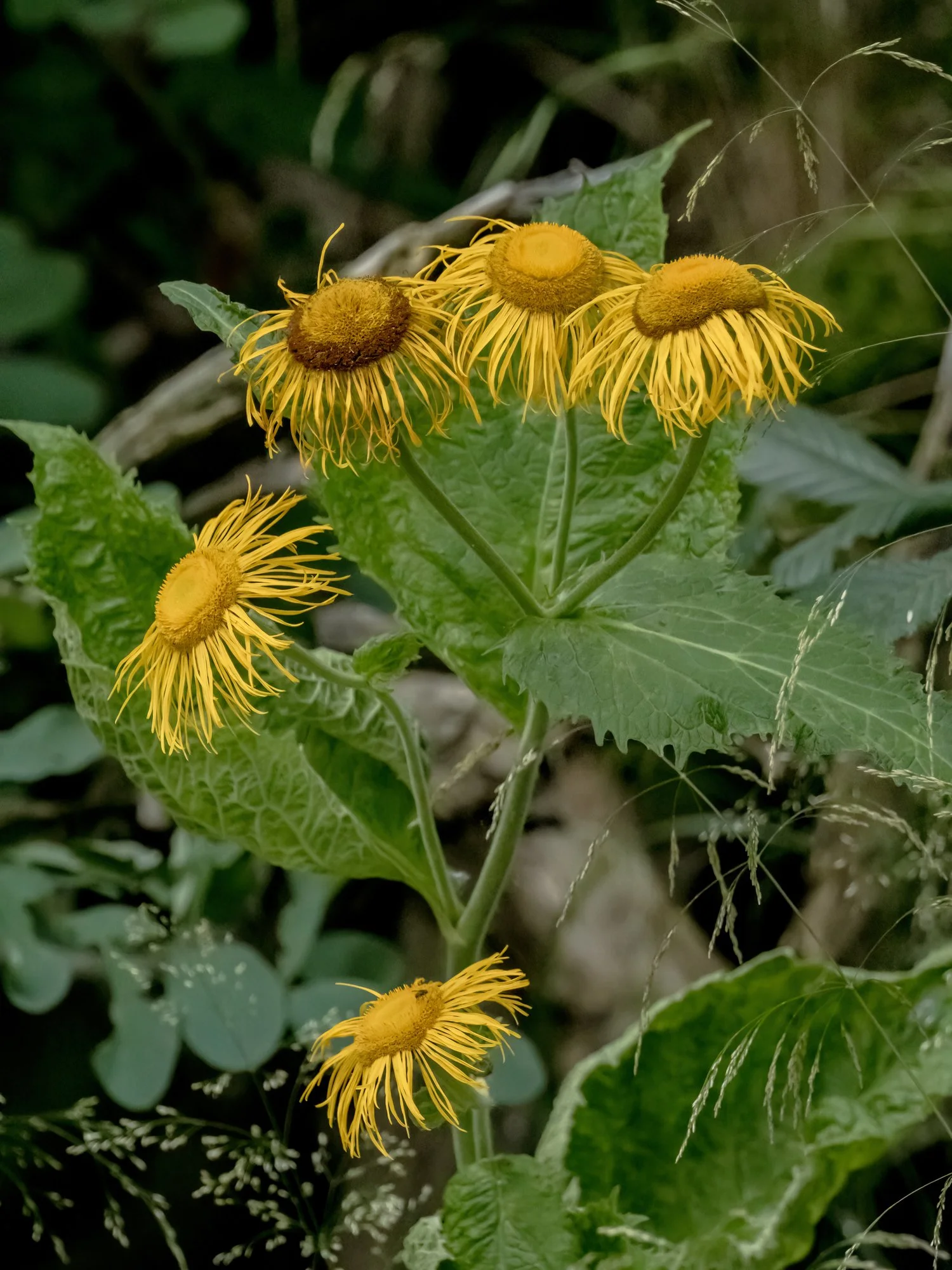
Helenium, sometimes called sneezeweed, produces warm-toned flowers in shades of yellow, orange, copper, and red. Despite its common name, it is insect-pollinated and is not usually responsible for airborne seasonal allergies.
Its daisy-like flowers are visited by bees and butterflies from late summer into fall. Helenium prefers full sun and soil that does not become excessively dry.
Use it in perennial borders, cottage gardens, rain gardens, or alongside ornamental grasses for a beautiful fall combination.
Sedum
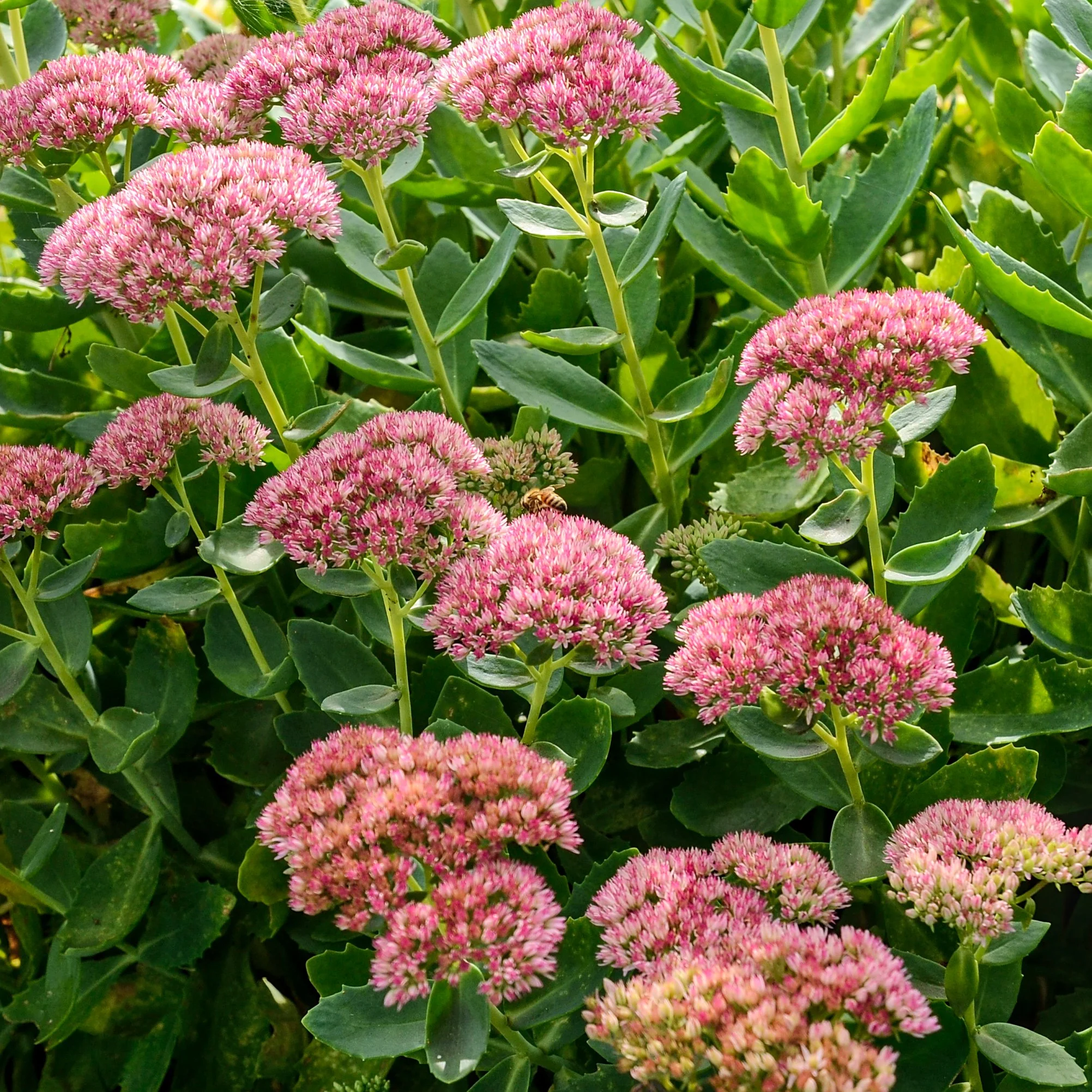
Upright sedums such as ‘Autumn Joy’ develop broad clusters of tiny flowers that change from pale pink to deeper rose and copper as they mature.
Bees and butterflies can easily land on the flat flower heads. Sedum also performs beautifully in sunny, dry locations where plants that require more moisture may struggle.
Plant sedum in full sun and well-drained soil. Too much shade, rich soil, or water can cause the stems to become weak and floppy.
Although many commonly sold sedums are not native, they can still provide a useful late-season nectar source when included as part of a diverse garden containing native plants.
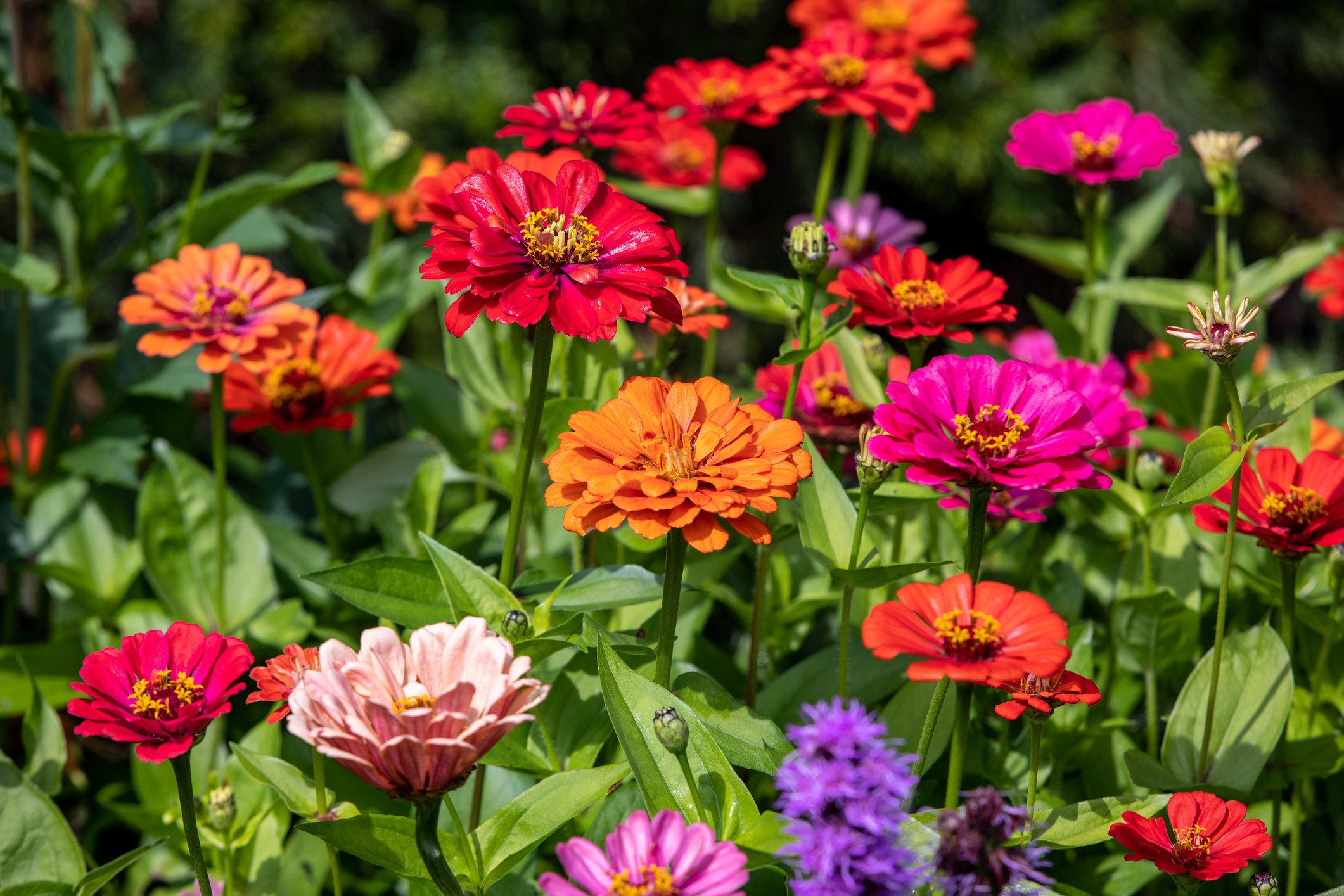
Zinnias
Zinnias are annual flowers, but they earn their place in a pollinator garden by blooming steadily through summer and into fall.
Single and semi-double varieties are generally better for pollinators than densely doubled flowers because their centers are easier to reach. Butterflies especially appreciate broad, open zinnia blooms as feeding platforms.
Zinnias prefer full sun, good air circulation, and well-drained soil. Remove faded flowers regularly to encourage continued blooming, but allow a few seed heads to mature if you would like to feed finches or collect seeds.
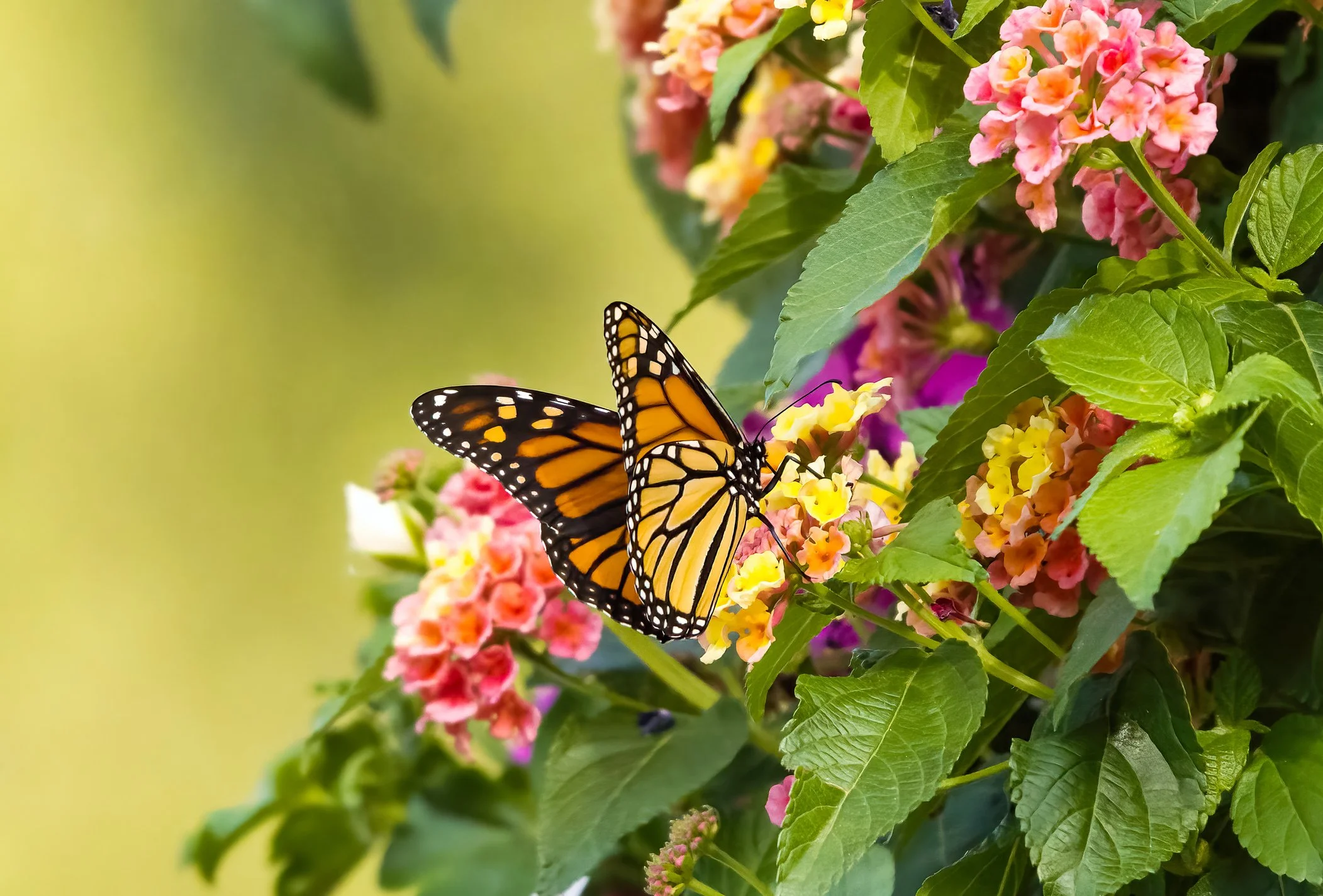
Lantana
Few annuals tolerate Tennessee’s late-summer heat as cheerfully as lantana. Its clusters of brightly colored flowers attract butterflies, hummingbirds, and bees.
Lantana performs best in full sun and well-drained soil. Once established, it handles heat and short dry periods well, making it useful in containers and hot landscape beds.
Most lantanas sold in our area are treated as annuals, although a few may return after a mild winter in protected locations. Continued flowering is the main benefit—plants often keep blooming until frost.
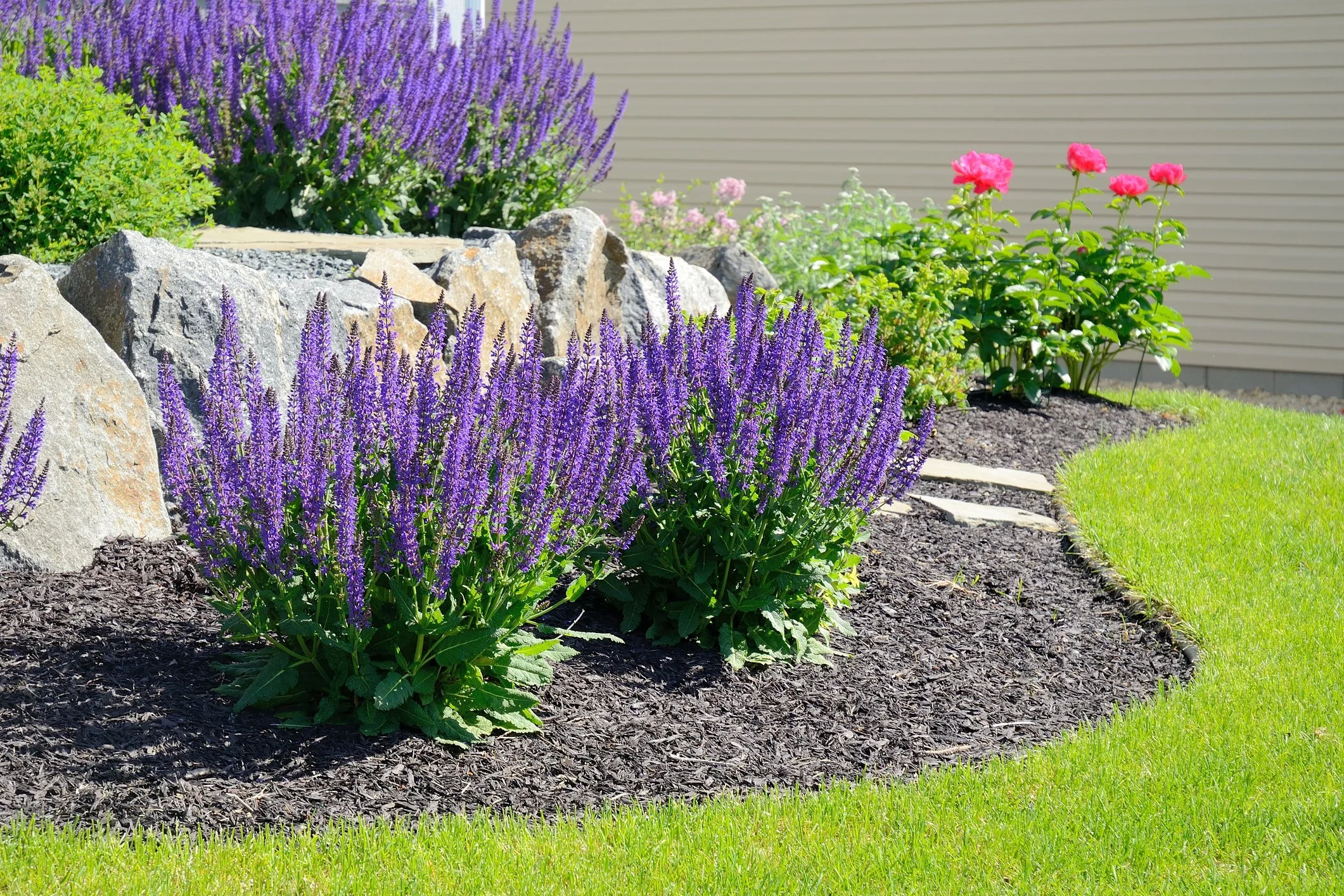
Salvia
Both annual and perennial salvias provide tubular flowers that appeal to hummingbirds and long-tongued bees.
Flower colors include red, blue, purple, pink, and white. Many salvias tolerate heat and continue blooming into autumn if faded flower stalks are removed.
Choose a variety suited to your light and soil conditions. Most prefer full sun and good drainage, but moisture needs vary by species.
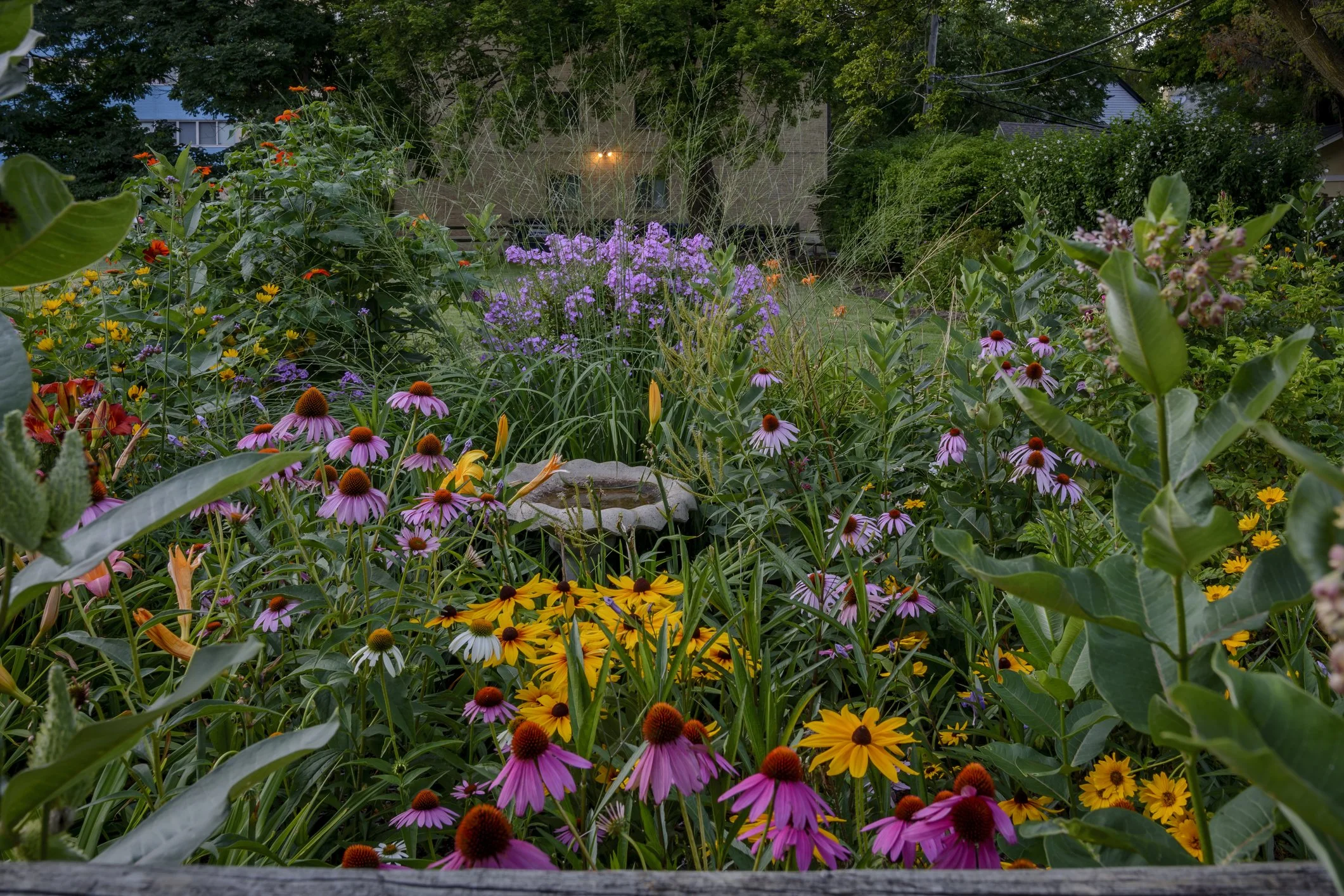
Build a Better Pollinator Garden
The best pollinator garden contains more than one type of flower. Different pollinators need different flower shapes, colors, and bloom times.
For the greatest benefit:
Plant each flower in groups rather than scattering single plants.
Include several flower shapes and colors.
Combine native perennials with long-blooming annuals.
Choose plants that bloom from spring through fall.
Avoid double flowers that hide or replace nectar-producing parts.
Do not spray open flowers with insecticides.
Leave some hollow or pithy stems standing over winter for nesting bees.
Allow a few seed heads and fallen leaves to remain as food and shelter.
Provide a shallow, clean water source with stones for safe landing.
When shopping, look at the flowers before looking at the label. If bees and butterflies are already visiting a plant at the garden center, that is often an excellent sign.
Is Late Summer Too Late to Plant?
No. Late summer and early fall can be good times to add many pollinator-friendly perennials, as long as they receive consistent water while becoming established.
Newly planted perennials do not yet have extensive root systems, so check them frequently during hot weather. Water deeply when the root zone begins to dry, and add a light layer of mulch to conserve moisture. Keep mulch away from the plant’s crown and stems.
Annual flowers such as zinnias, lantana, and salvia can provide immediate color and nectar until frost. Perennials planted now will contribute to the garden this season and return with a larger display in future years.
Come visit us at Fernwood to explore late-blooming plants and find the right choices for your garden’s sunlight, soil, moisture, and available space. Even one container or a small group of nectar-rich flowers can become a valuable late-summer stop for pollinators—and help keep your garden full of movement, color, and life.