When Should I Prune My Hydrangea?
“When should I prune my hydrangea?” sounds like a simple gardening question, but the answer depends entirely on the type of hydrangea growing in your landscape.
Some hydrangeas produce flower buds on stems that grew last year. Others develop their blooms on new growth produced during the current season. Pruning at the wrong time can remove the very buds that would have become this year’s flowers.
Before reaching for the pruners, the most important step is to identify your hydrangea.
The Difference Between Old Wood and New Wood
Gardeners often hear that a hydrangea blooms on “old wood” or “new wood.”
Old wood refers to stems that grew during the previous year. Hydrangeas that bloom on old wood begin forming the following year’s flower buds during late summer and fall. Those tiny buds remain on the stems throughout winter and open the following spring or summer.
New wood refers to growth produced during the current growing season. Hydrangeas that bloom on new wood can be pruned while they are dormant because their flower buds have not formed yet.
Here is the basic pruning guide:
Bigleaf (mophead) | Blooms primarily on old wood | Best to prune after flowering, no later than late July
Mountain | Blooms primarily on old wood | Best to prune after flowering, no later than late July
Oakleaf | Blooms on old wood | Best to prune after flowering, no later than late July
Climbing | Blooms on old wood | Best to prune immediately after flower, only if it’s necessary
Smooth | Blooms on new wood | Best to prune late winter through early March
Panicle | Blooms on new wood | Best to prune late winter through early March
Reblooming bigleaf | Blooms on old and new wood | Prune lightly after the first flush of flowers
Bigleaf Hydrangea
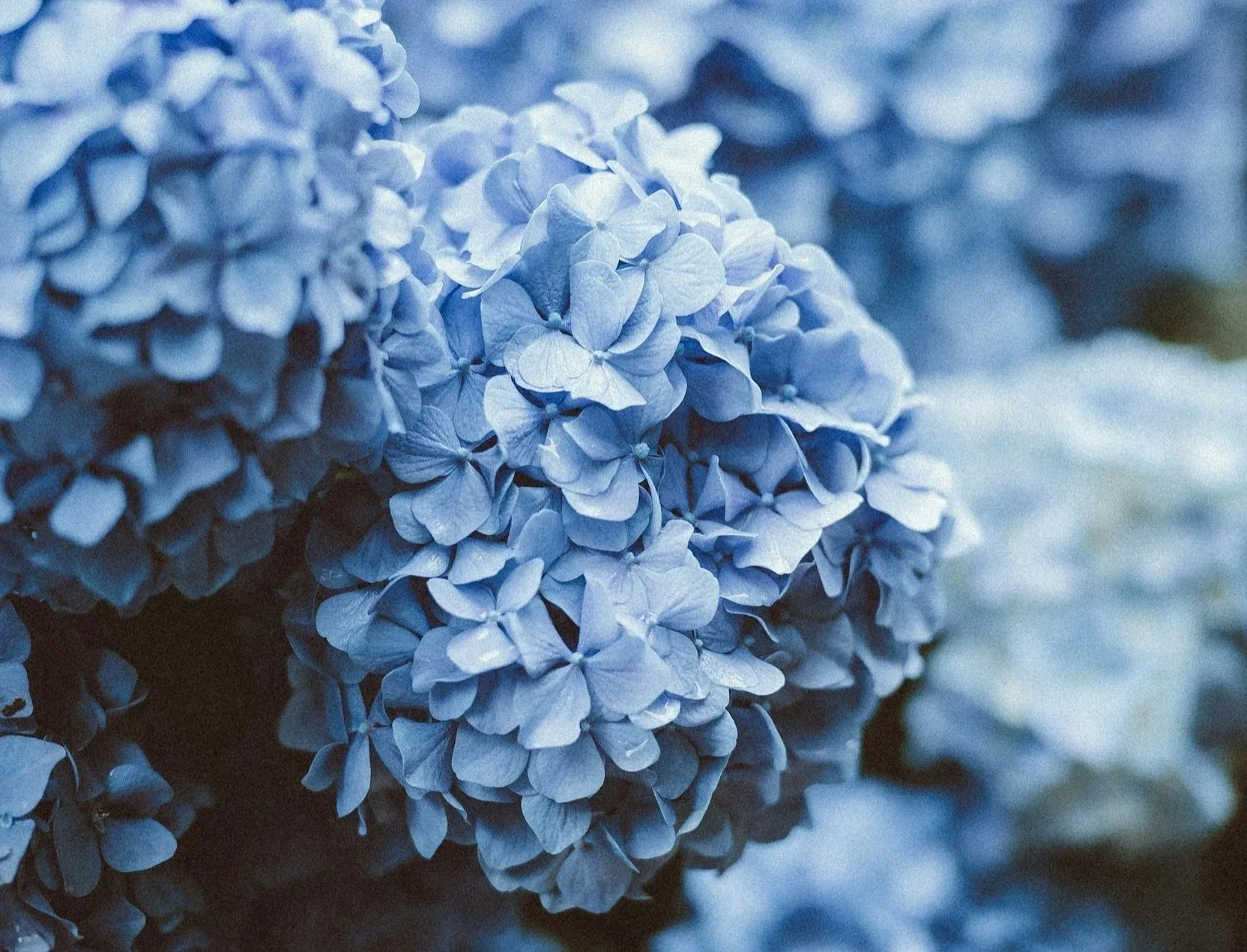
Bigleaf hydrangeas, or Hydrangea macrophylla, include many familiar mophead and lacecap varieties. Their flowers may be pink, blue, purple, or white, depending on the variety and—in some cases—the soil conditions.
Traditional bigleaf hydrangeas bloom primarily on old wood. They begin preparing next year’s flower buds not long after the current year’s flowers fade.
If significant shaping is needed, prune immediately after flowering and finish by the end of July. Pruning in fall, winter, or early spring may remove the flower buds and leave you with a healthy green shrub that produces few or no blooms.
Bigleaf hydrangeas usually do not require an annual haircut. Instead, remove dead stems and, on mature plants, cut a few of the oldest stems all the way to the ground. The University of Tennessee Extension recommends removing no more than one-third of the older branches in early spring. This rejuvenates the shrub while preserving most of its flowers.

Reblooming Bigleaf Hydrangeas
Reblooming bigleaf hydrangeas—including varieties in the Endless Summer group—can produce flowers on both old and new wood.
That makes them more forgiving if winter cold damages the old flower buds or if the plant is pruned at the wrong time. However, severe pruning can still delay flowering and reduce the first flush of blooms.
Prune reblooming hydrangeas lightly after their first flowers fade. Remove dead stems, weak growth, and spent blooms as needed, but avoid cutting the entire shrub close to the ground unless you are willing to sacrifice or delay flowers.
Oakleaf Hydrangeas
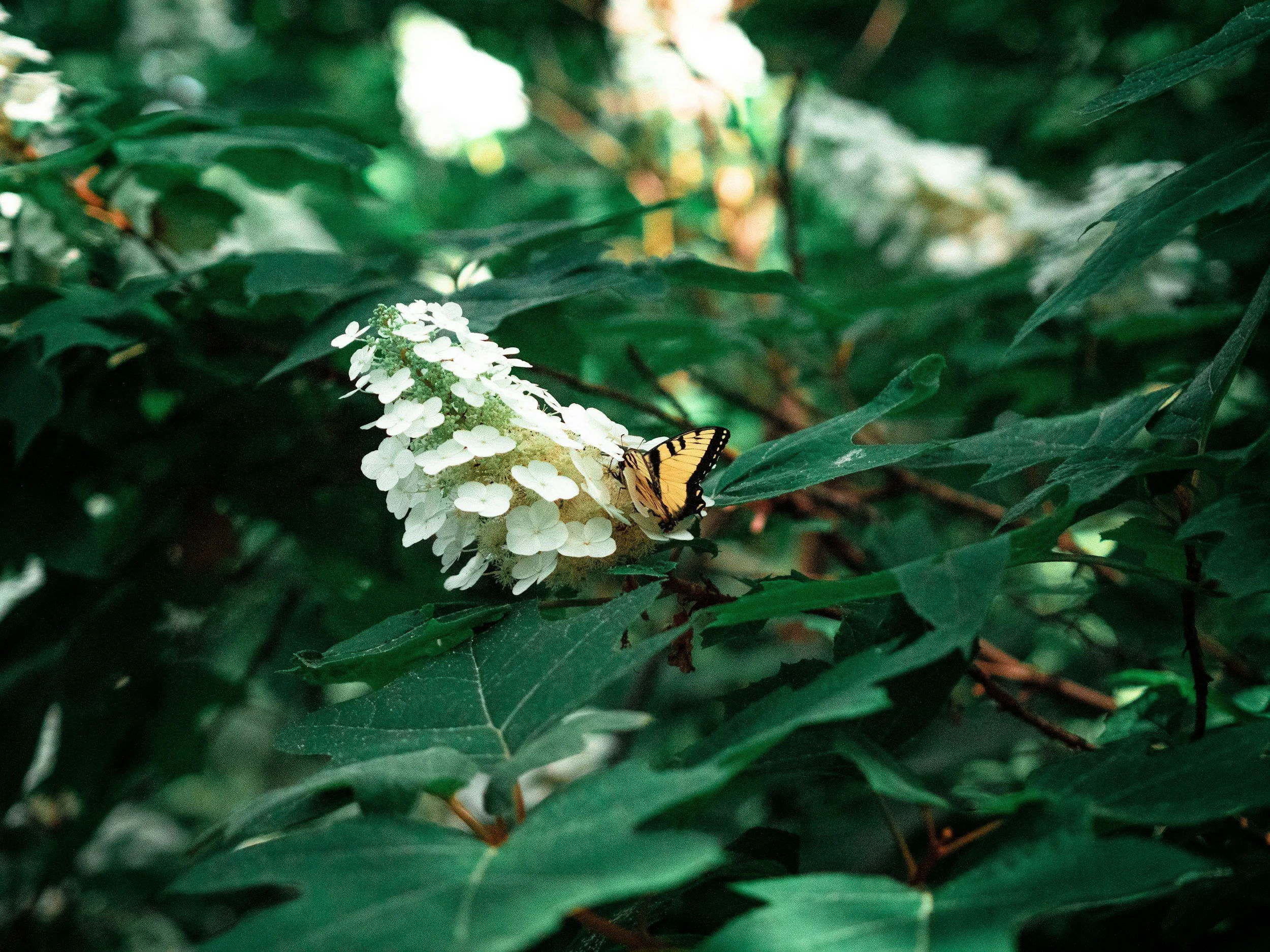
Oakleaf hydrangeas, or Hydrangea quercifolia, are native to the southeastern United States. They are valued not only for their white summer flowers but also for their deeply lobed leaves, rich fall color, and peeling bark.
Oakleaf hydrangeas bloom on old wood and should be pruned as little as possible. Their natural branching structure is part of their beauty.
If pruning is necessary, do it shortly after flowering and finish by the end of July. Winter or spring pruning will remove flower buds that formed during the previous season.
Popular oakleaf varieties include ‘Alice,’ ‘Snow Queen,’ ‘Ruby Slippers,’ ‘Munchkin,’ and ‘Snowflake.’
Smooth Hydrangeas
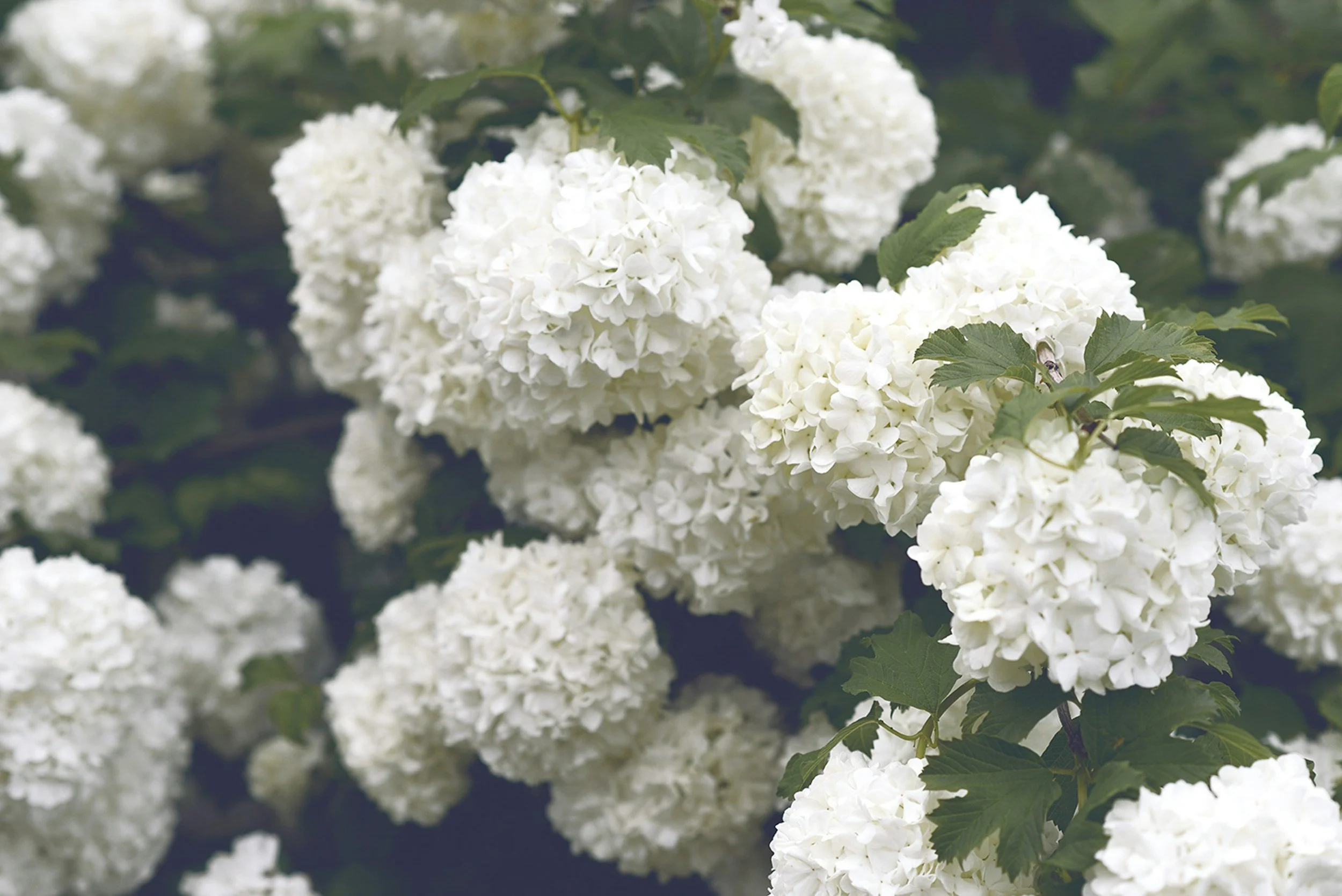
Smooth hydrangeas, or Hydrangea arborescens, bloom on new wood. ‘Annabelle’ and varieties in the Incrediball and Invincibelle groups are common examples.
These hydrangeas can be pruned in late winter or by early March, before vigorous spring growth begins. Remove dead or weak stems and reduce the remaining growth to create a balanced shape.
Some gardeners cut smooth hydrangeas nearly to the ground every year. Although they will generally regrow and flower, cutting them too severely can encourage long, flexible stems that struggle to support large flower heads.
Leaving a framework of sturdy stems—often 12 to 24 inches tall—may help create a stronger plant. You can also prune more selectively by removing weak growth and shortening healthy stems rather than cutting everything to the same height.
Panicle Hydrangeas
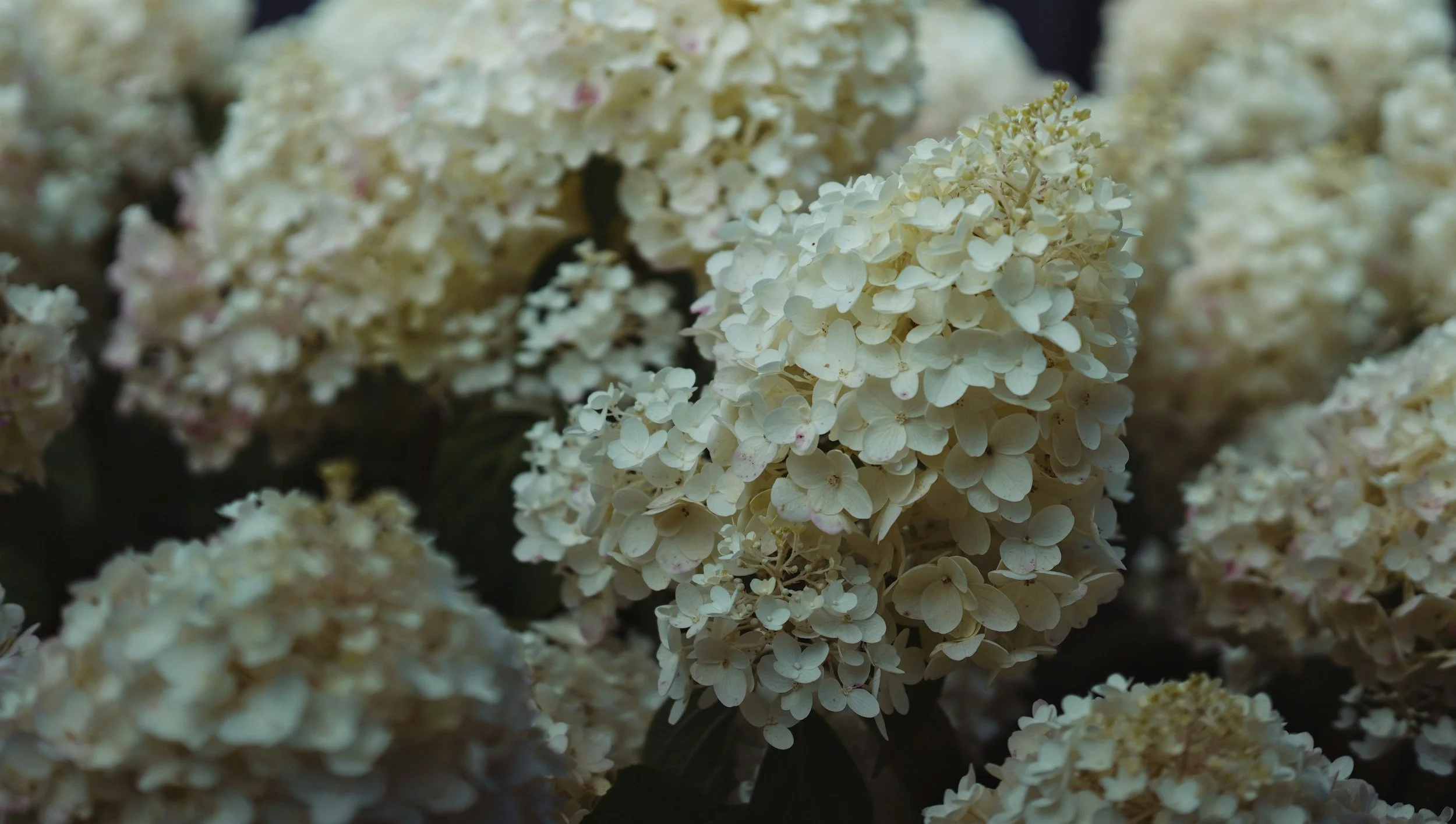
Panicle hydrangeas, or Hydrangea paniculata, include popular varieties such as ‘Limelight,’ Little Lime, Quick Fire, Bobo, and Pinky Winky.
They bloom on new wood and can be pruned from dormancy through early March. Pruning is not required for flowering, but it can help manage size, improve shape, and remove crossing or crowded branches.
Begin by removing dead, damaged, or weak stems. Next, thin out branches growing toward the center of the plant. Shorten the remaining stems as needed, making each cut just above a healthy pair of buds.
Avoid automatically cutting a mature panicle hydrangea down to a small mound every year. Hard pruning can produce fewer but much larger flower heads, which may become heavy enough to bend the stems. Moderate pruning often creates a better balance between flower size and stem strength.
Tree-form panicle hydrangeas require a slightly different approach. Preserve the main trunk and upper framework while removing shoots that emerge from the trunk or base.
Climbing Hydrangeas
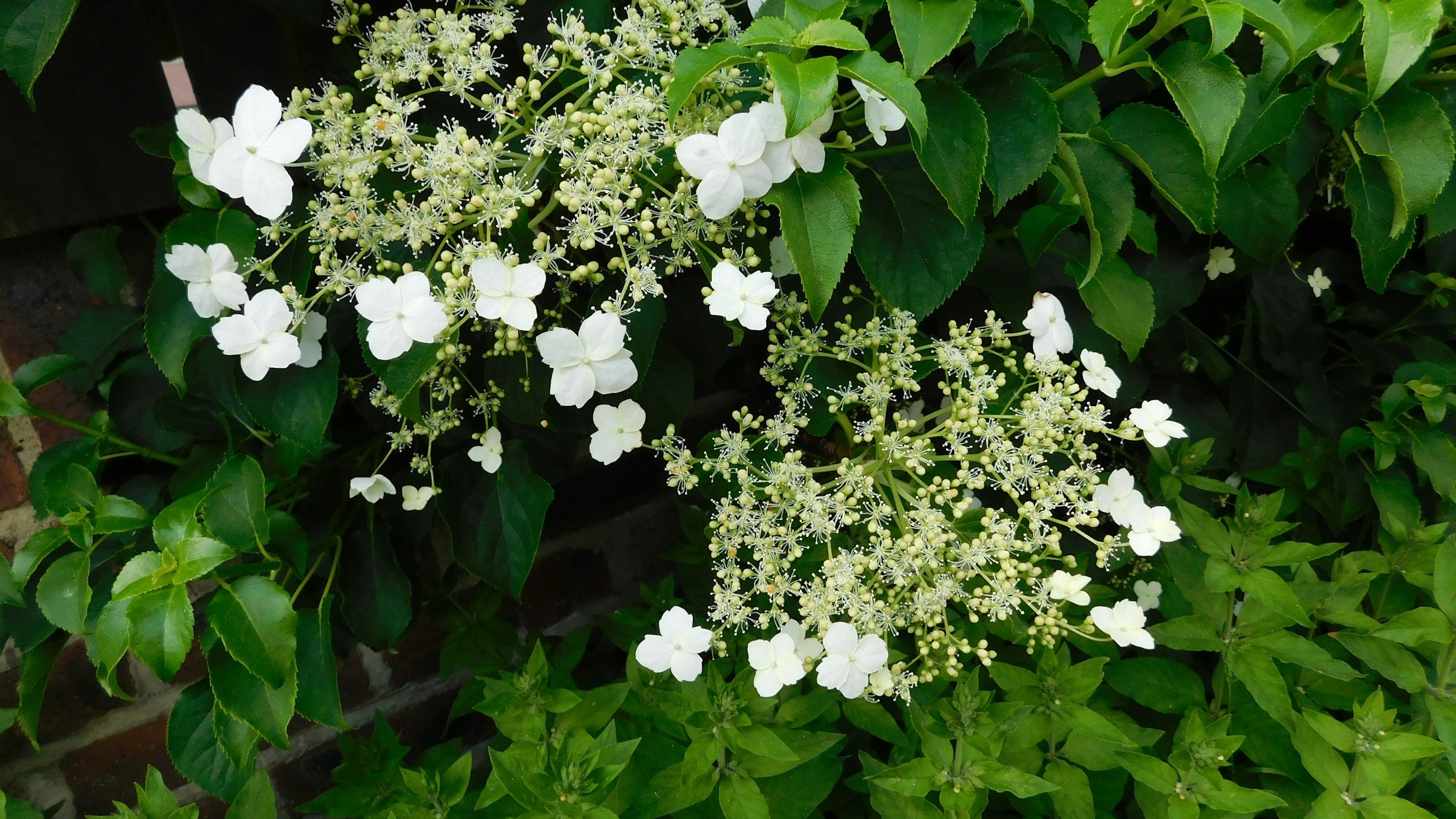
Climbing hydrangeas bloom on old wood and usually require very little pruning. Allow them time to develop their natural framework.
If the plant becomes too large or begins growing into an unwanted area, prune it after flowering. Remove stray or damaged branches as needed, but remember that heavy pruning may reduce the following year’s flowers.
Can I Remove Dead Stems at Any Time?
Yes. Dead, broken, or diseased branches can be removed whenever you find them.
If you are unsure whether a stem is dead, lightly scratch the bark with a fingernail or clean pruning blade. Living wood will show green tissue underneath. A dead stem will be dry and brown.
Bigleaf hydrangeas can be slow to leaf out in spring, particularly after a cold winter. Before removing every bare-looking stem, give the plant time to show where new growth is emerging.
Is Deadheading the Same as Pruning?
Deadheading means removing faded flowers. Pruning generally involves cutting stems or branches to control the plant’s size and shape.
You may remove faded flowers during the growing season by cutting just above the first healthy set of leaves. Be careful with old-wood hydrangeas later in the season because next year’s buds may be developing below the spent blooms.
Leaving faded flowers in place is also perfectly acceptable. Many hydrangea flowers provide beautiful fall and winter interest.
What If I Don’t Know Which Hydrangea I Have?
If you cannot identify your hydrangea, the safest approach is to wait and observe.
Notice when it flowers and whether blooms appear on older stems or fresh growth. Take photos of the leaves, flowers, and overall plant. Until you know its type, limit pruning to dead or damaged wood.
You can also bring photos—or a small leafy branch with a flower—to Fernwood Garden Center. Our team can help you identify the hydrangea and determine the best time to prune it.
Does My Hydrangea Really Need Pruning?
Many hydrangeas need less pruning than people expect. A healthy plant in the right location may require little more than the occasional removal of dead or crowded branches.
If a hydrangea must be cut back severely every year because it is blocking a window, covering a walkway, or overwhelming nearby plants, it may be too large for that location. Pruning will control it temporarily, but it will continue trying to reach its natural mature size.
In that situation, moving the plant or replacing it with a more compact variety may be the better long-term solution.
The most important rule is simple: know what kind of hydrangea you have before you prune. A few well-timed cuts can improve its health and shape, while pruning at the wrong time may cost you an entire season of flowers. When in doubt, pause before cutting and let us at Fernwood Garden Center help you make the right choice.