What Happens to Your Plants After the First Frost?
For gardeners in Middle Tennessee, the first frost can feel like the official end of the growing season.
One morning, your garden is full of colorful flowers and lush foliage. Then temperatures dip, and suddenly some plants look wilted, brown, or even completely finished.
But don't start cleaning everything out just yet.
The first frost doesn't mean your entire garden is done. Different plants respond to cold temperatures in different ways, and knowing what to expect can help you protect the plants you want to keep, clean up what has finished for the season, and prepare your landscape for winter.
At Fernwood, we're here to help you figure out what stays, what goes, and what needs a little extra care.
First, What Exactly Is Frost?
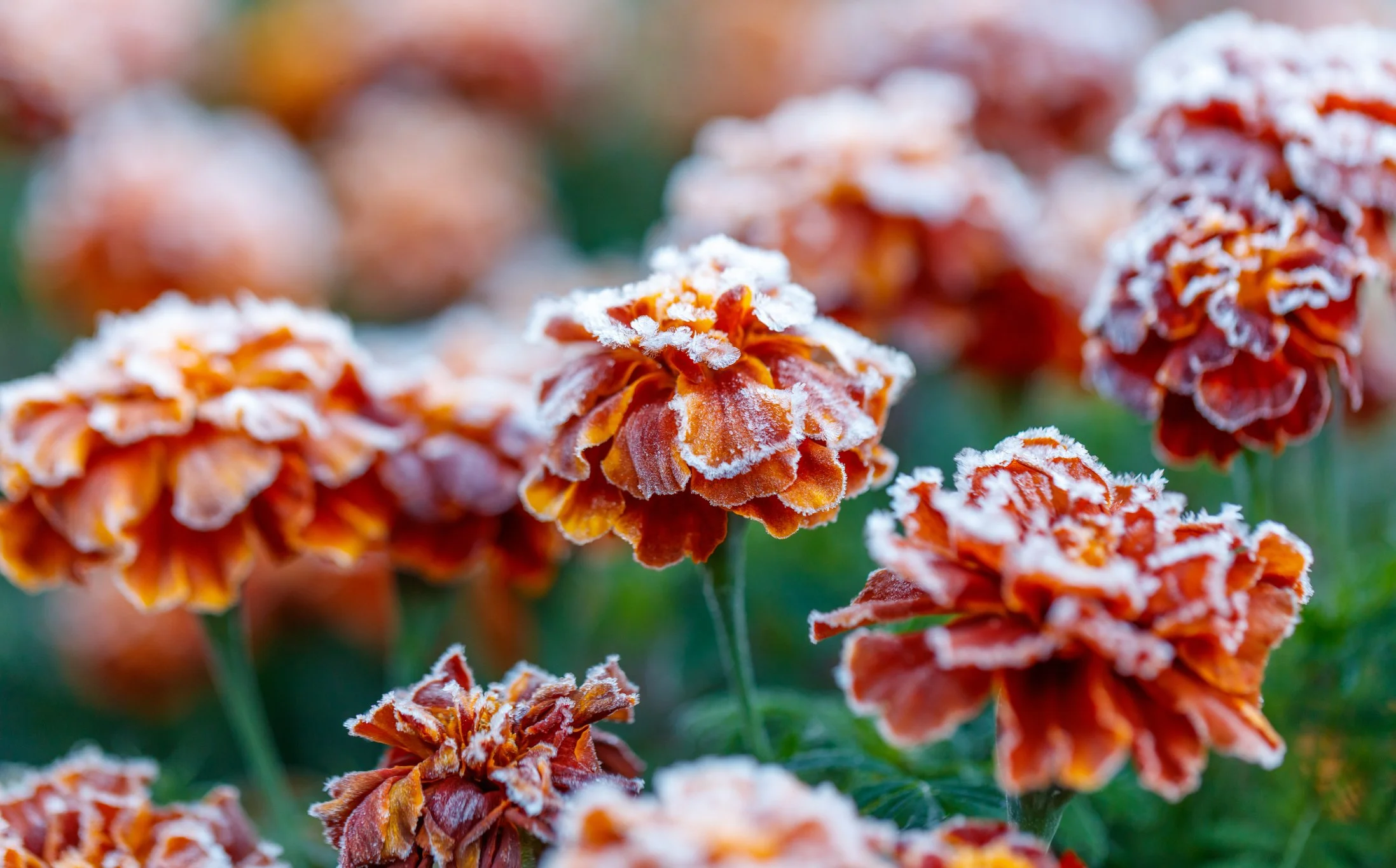
Frost occurs when temperatures become cold enough for ice crystals to form on surfaces such as plants, soil, and other objects.
The amount of damage depends on several factors, including the temperature, how long temperatures remain cold, the plant species, and how sensitive that particular plant is to freezing temperatures.
In Tennessee, frost and freeze conditions can cause symptoms such as wilting, brown or black foliage, leaf drop, and damage or death to flowers and other tender plant tissue.
That's why you may see one plant looking perfectly healthy while another nearby plant appears to have been completely knocked back by the same cold night.
What Happens to Annual Flowers?
If you have summer annuals such as petunias, begonias, impatiens, or other warm-season flowers, the first frost may be the end of their season.
These plants generally don't tolerate freezing temperatures well.
You may notice:
Drooping or wilted leaves
Brown or black foliage
Flowers that collapse or discolor
Soft or water-soaked plant tissue
Plants that stop producing new growth
Once a tender annual has been significantly damaged by frost, there's usually no reason to try to nurse it back to health.
Instead, it's time to replace it with plants that can handle cooler weather.
This Is Where Fall Plants Shine
If your summer containers are looking tired after the first frost, consider replacing them with cool-season favorites such as:
Pansies
Violas
Ornamental cabbage and kale
Certain hardy herbs and foliage plants
Cool-season annuals appropriate for your location
These plants can help keep your porch, containers, and flower beds looking alive even as the landscape transitions into winter.
What Happens to Perennials?
Perennials are a different story.
Many perennial plants are designed to return year after year. After a frost, you may see the flowers disappear and the foliage begin to fade, but that doesn't necessarily mean the plant is dead.
In many cases, the plant is simply beginning its natural transition into dormancy.
The roots remain alive underground while the above-ground portion of the plant dies back.
Don't assume a brown perennial is a dead perennial.
Depending on the plant, leaving some foliage and stems in place through winter can also provide habitat and food for wildlife.
If you're unsure whether a plant should be cut back, ask us before pulling it out.
What About Trees & Shrubs?
Trees and shrubs respond to frost differently than tender annuals.
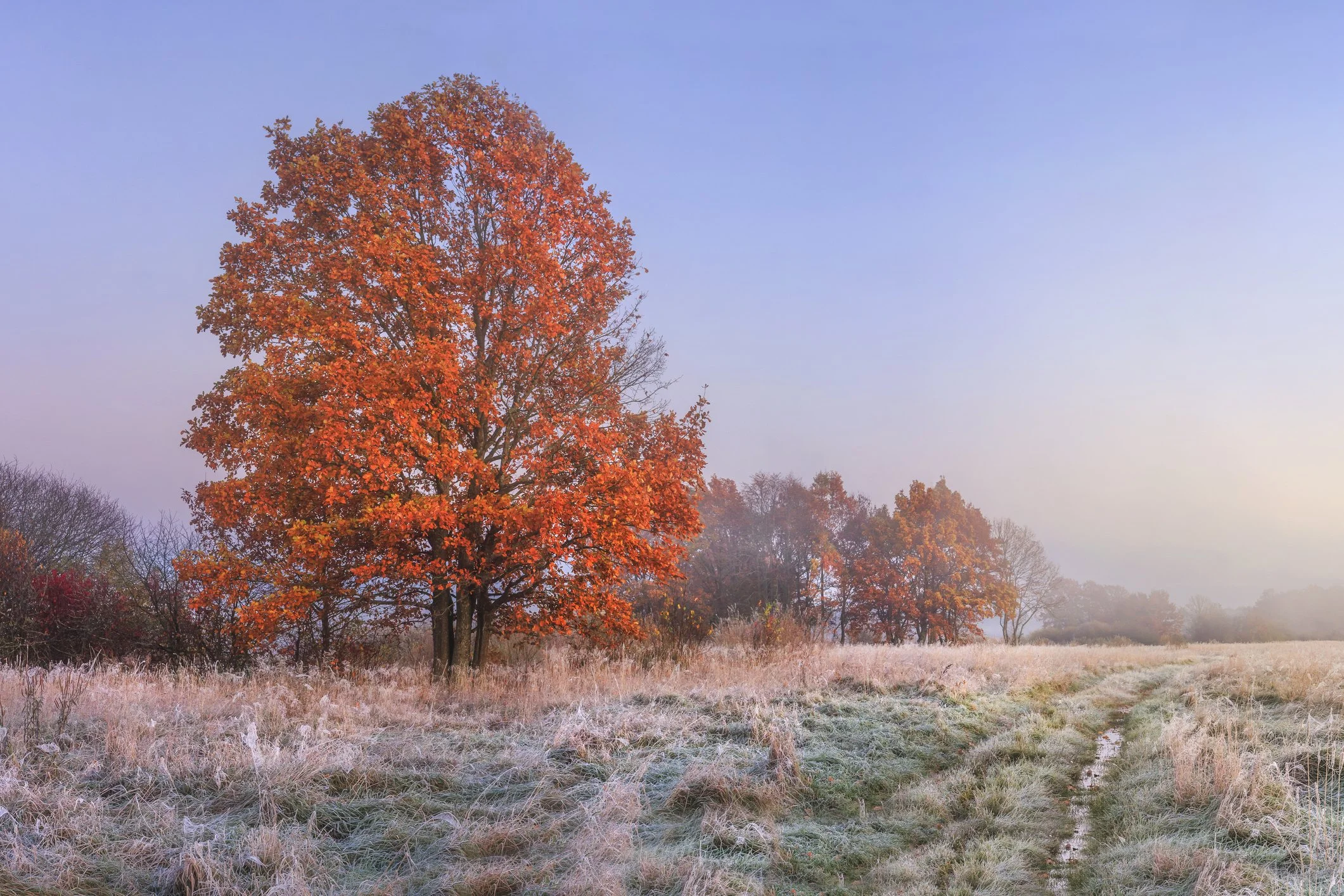
Deciduous trees and shrubs naturally lose their leaves as they prepare for winter. Frost can speed up that process, but colorful fall foliage and leaf drop are part of the normal seasonal cycle.
Evergreen trees and shrubs, on the other hand, generally retain their foliage throughout winter.
If you notice some discoloration or damage after an unusually hard freeze, don't immediately start pruning.
Give the plant some time.
Cold damage isn't always immediately apparent, and waiting can make it easier to determine which branches or foliage are actually damaged.
Should You Cover Your Plants Before a Frost?
Sometimes, yes.
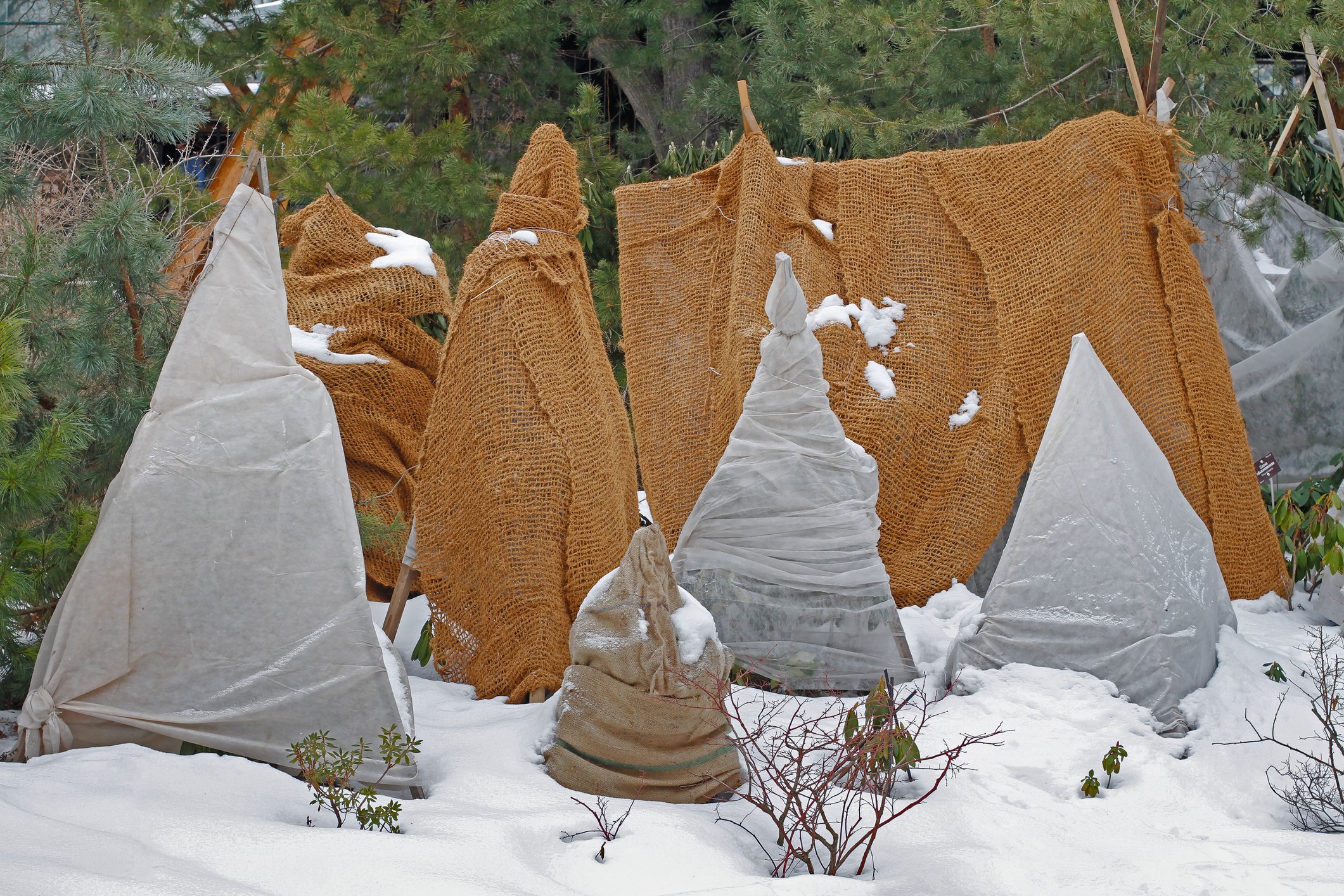
If a frost is in the forecast and you have particularly tender plants you'd like to protect, covering them can help reduce exposure to freezing temperatures.
For smaller plants, use an appropriate frost cloth or protective covering and make sure the material is secured. Be sure to not use plastic, as it traps the moisture and can cause serious damage to the plant.
However, not every plant needs to be covered every time temperatures dip.
That's where knowing your plants—and understanding the expected temperatures—becomes important.
If you're unsure whether something in your landscape needs protection, bring us a picture or ask our team. We'd be happy to help you determine what your plants may need.
Don't Forget Your Container Plants
Container plants can be more vulnerable to cold temperatures because their roots don't have the same insulation that plants growing directly in the ground have.
If you have potted plants that aren't cold-hardy, consider moving them into a protected area before a hard freeze.
Depending on the plant, that might mean:
Moving containers against the house
Placing them under a covered porch
Moving them into a garage or protected structure
Bringing tender plants indoors
Grouping containers together for additional protection
Just remember that every plant has different requirements, so don't assume every container plant should come indoors.
Your Mums May Still Have Life Left in Them
If you've been enjoying fall mums on your porch, don't necessarily throw them away after the first frost.
A light frost may damage the flowers and foliage while leaving the plant's roots intact.
If your goal is simply to enjoy your mums as seasonal color, you can replace them when they're no longer attractive.
But if you planted your mums with the intention of keeping them, ask us about the appropriate care for your particular variety and growing conditions.
What Should You Do After the First Frost?
Once temperatures have dropped, take a walk around your property before you start cutting everything back.
1. Look for Frost Damage
Check your annuals, perennials, containers, trees, and shrubs.
Look for wilted, blackened, or damaged foliage.
2. Don't Rush to Prune
Some plants benefit from being left alone until later in the winter or early spring.
If you're unsure, wait and ask a gardening professional.
3. Remove Plants That Are Truly Finished
Tender annuals that have been killed by frost can be removed from containers and flower beds.
This gives you an opportunity to refresh those areas with cool-season plants.
4. Protect Sensitive Plants
If another freeze is coming, take steps to protect plants that aren't fully cold-hardy.
5. Add Mulch Where Appropriate
A layer of mulch can help insulate soil and protect plant roots from temperature fluctuations.
Just remember to keep mulch away from the direct base of tree trunks and shrubs.
6. Start Thinking About Spring
Believe it or not, winter is a great time to start planning what you'd like to change next year.
Did you need more privacy?
Would another shade tree help?
Do you want to create a pollinator garden?
Would your front porch look better with larger containers?
Winter gives you time to make a plan before spring arrives.
What If You're Not Sure What to Do?
That's exactly why we’re here.
The first frost brings plenty of questions:
Is this plant dead?
Should I cut this back?
Can I save this plant?
Should I cover it tonight?
What can I plant now?
What should I do with my containers?
You don't have to figure it all out yourself.
At Fernwood, we're here to help Middle Tennessee gardeners navigate the changing seasons. Whether you need advice about protecting an existing plant, replacing a frost-damaged annual, choosing cool-season color, or planning ahead for spring, our team can help you determine the next step.
And if you're looking for plants, soil, mulch, seasonal color, or other gardening supplies, stop by and see what's available for the season.
The First Frost Isn't the End—It's a Transition
The first frost can certainly change the look of your garden, but it doesn't mean gardening has to stop.
Some plants are finished.
Some are going dormant.
Some will keep providing color.
And some are preparing to return when spring arrives.
So instead of seeing the first frost as the end of your gardening season, think of it as a change of seasons—and an opportunity to prepare your landscape for what's next.
If you're in Columbia, Spring Hill, Mount Pleasant, or the surrounding Middle Tennessee area, stop by with your questions.
We're here to help you grow through every season.