

Fall Mulching: What, When & How Much?
Fall is a beautiful time in Middle Tennessee. The temperatures are finally cooling down, the leaves are changing, and the garden is beginning to slow down for winter.
But before you put your gardening tools away for the season, there's one important job worth adding to your fall checklist:
Mulching.
A properly applied layer of mulch can help protect plant roots, conserve moisture, moderate soil temperatures, and give your landscape a clean, finished appearance.
But there's more to mulching than simply dumping a pile around your plants.
So, what kind of mulch should you use? When should you apply it? And how much is enough?
Let's dig in.
Why Mulch in the Fall?
Mulch is useful throughout the year, but fall is an especially good time to evaluate the mulch around your landscape.
As temperatures fluctuate during the colder months, soil can repeatedly freeze and thaw. These temperature swings can be hard on plant roots, particularly for newer or shallow-rooted plants.
A properly applied layer of mulch provides a buffer between the soil and changing air temperatures.
Mulch can also help:
Retain soil moisture
Reduce temperature fluctuations
Protect plant roots
Reduce erosion
Suppress some weeds
Add organic matter as certain mulches break down
Give garden beds a neat, finished appearance
For homeowners in Columbia, and throughout Middle Tennessee, fall mulching can be a simple way to help prepare the landscape for winter.
When Should You Apply Fall Mulch?
One common mistake is mulching too early.
You don't necessarily want to cover your garden beds with a thick layer of mulch while the soil is still warm and your plants are actively growing.
Instead, wait until late fall, after the soil has begun to cool and many plants have gone dormant.
For Middle Tennessee, the timing will vary from year to year depending on temperatures and weather conditions.
A good rule of thumb is:
Don't mulch according to the calendar—mulch according to the conditions.
If you're unsure whether it's time to mulch, ask us. We can help you determine what makes sense for your particular landscape.
How Much Mulch Do You Need?
This is where many mistakes can be made.
More mulch isn't necessarily better.
For most established landscape beds, a layer of approximately 2–4 inches is generally sufficient, depending on the material and the needs of the plants.
If you're refreshing an existing bed, you may not need to add a completely new 4-inch layer. Check the existing depth first.
If there are already have several inches of mulch in place, simply adding more can create problems.
Think "top off," not "bury."
The Biggest Mulching Mistake: The Mulch Volcano
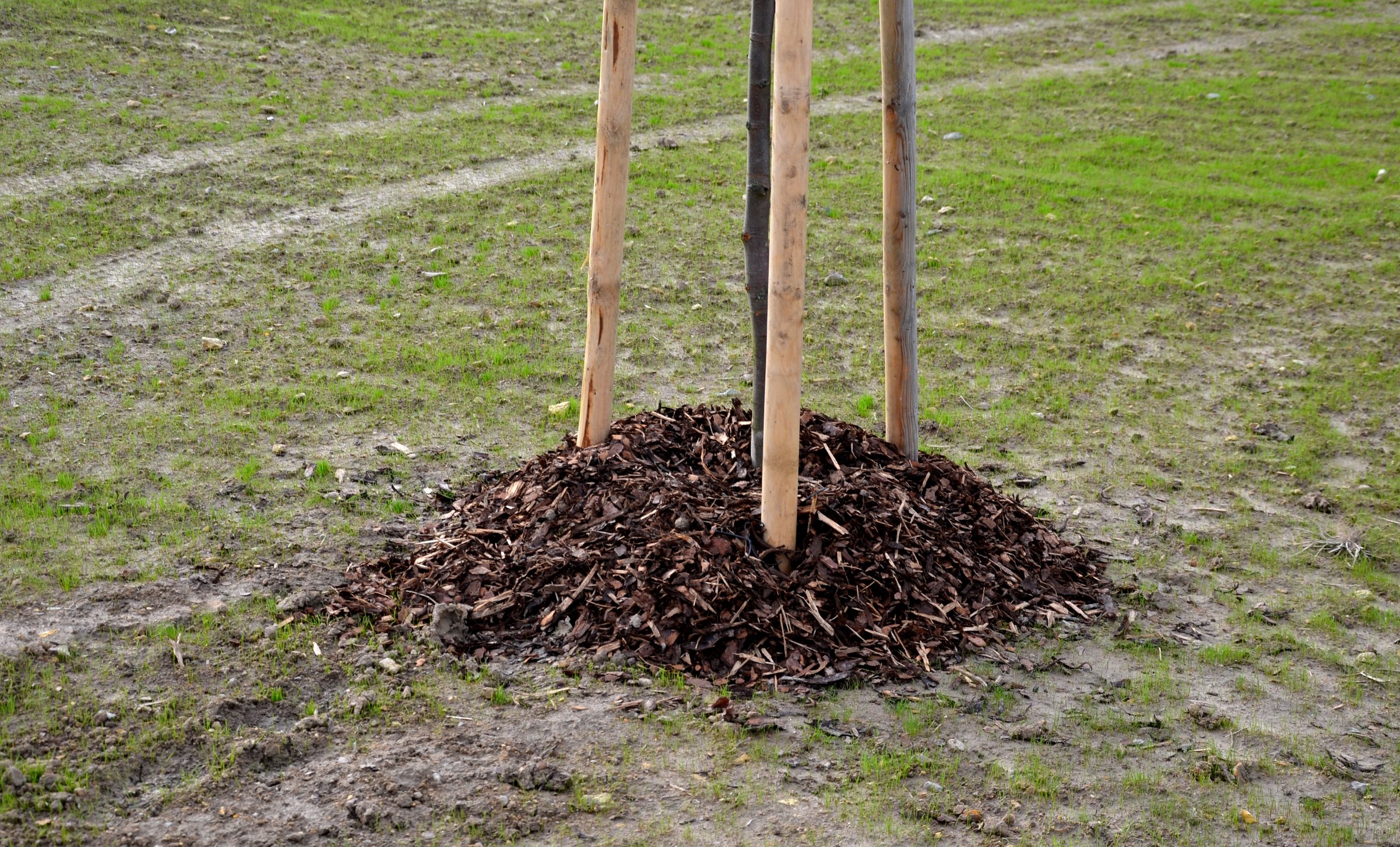
You've probably seen them.
A tree surrounded by a giant mound of mulch, piled high against the trunk.
It may look tidy, but it's not good for the tree.
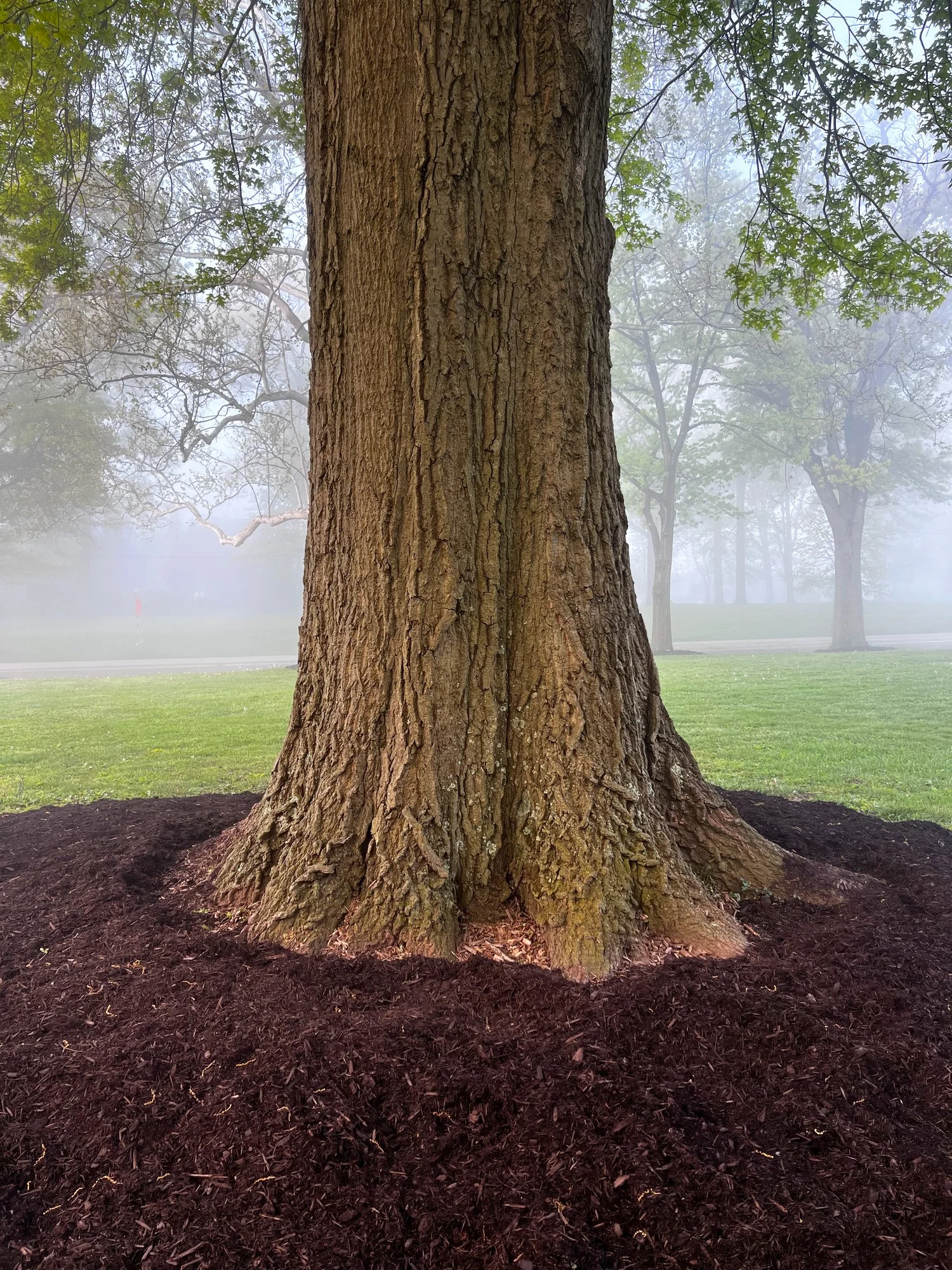
Mulch should never be piled directly against the trunk or base of a tree.
Instead, pull the mulch away from the trunk and create a donut-shaped ring around the tree.
This keeps the trunk dry and allows the root flare to remain visible.
The same principle applies to shrubs: don't bury the base of the plant under a mountain of mulch.
What Kind of Mulch Should You Use?
There are several types of mulch available, and the best choice depends on your landscape, plants, and personal preference.
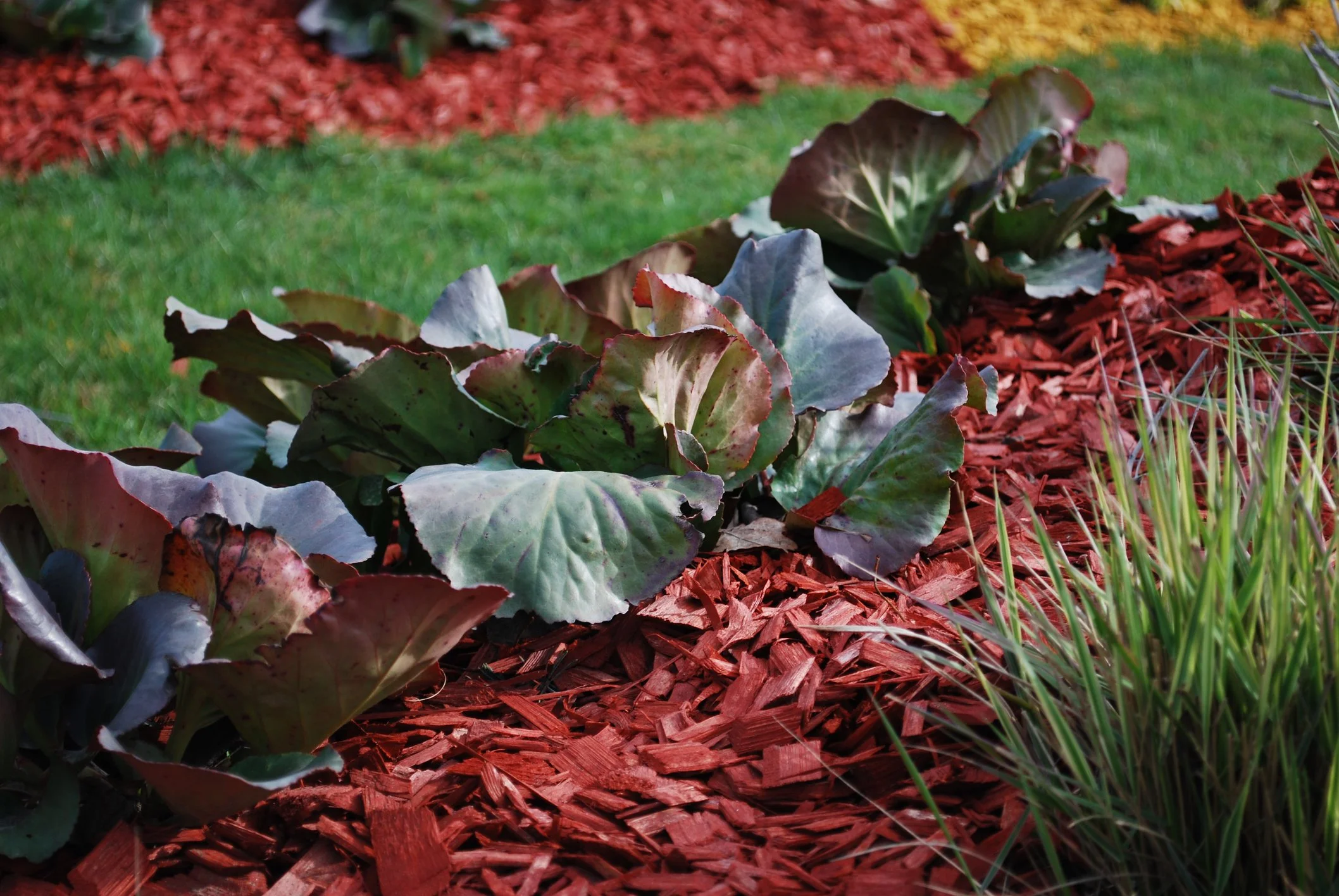
Hardwood Mulch
Hardwood mulch is a popular choice for landscape beds because it provides a natural appearance and blends easily into the surrounding landscape.
As it breaks down over time, organic mulches can contribute organic matter to the soil.
Hardwood mulch works particularly well around:
Trees
Shrubs
Perennial beds
Foundation plantings
Landscape borders
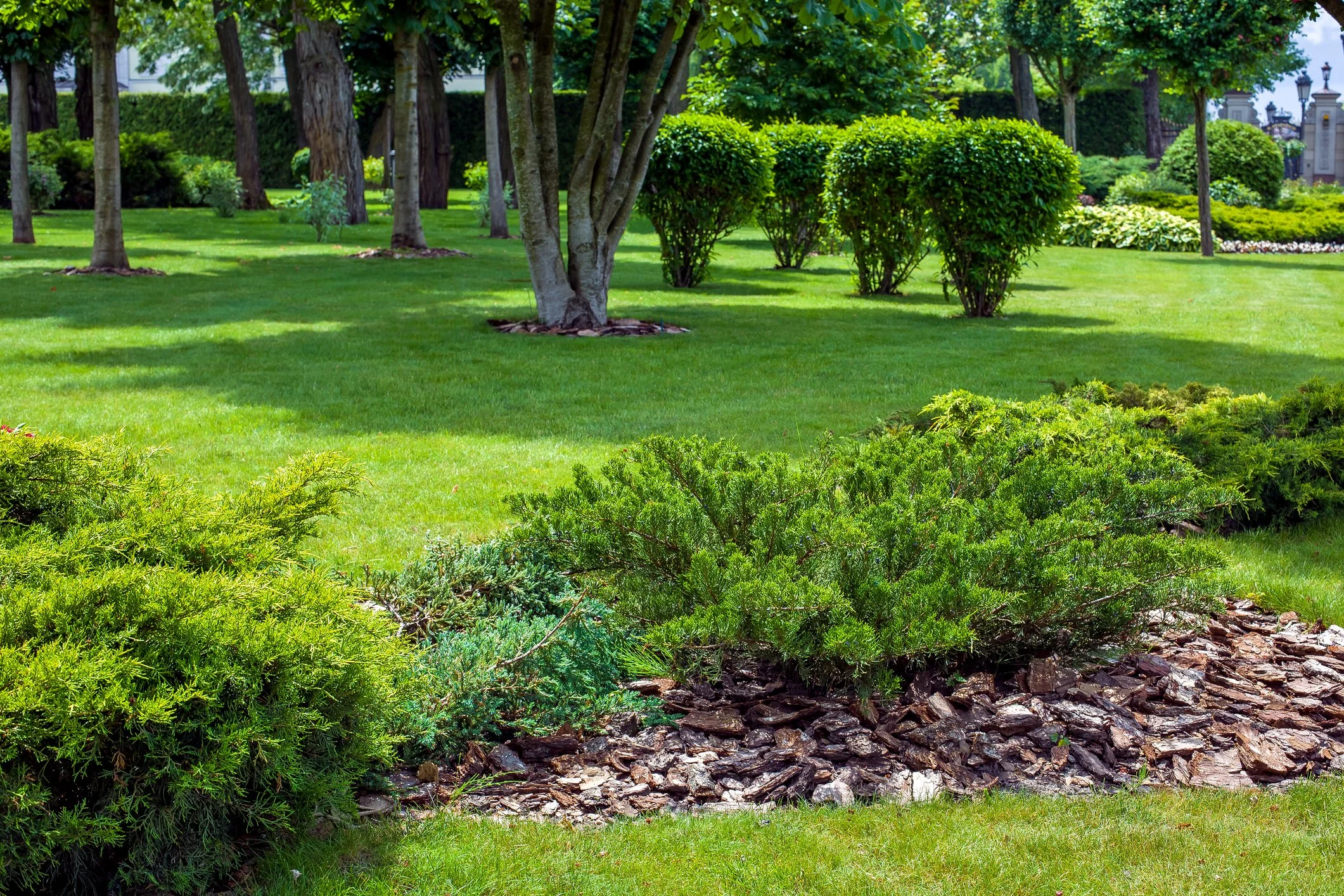
Pine Bark & Pine Mulch
Pine-based mulches are another popular option.
They can provide a natural look while helping retain moisture and suppress weeds.
Depending on the product, pine mulch can be available in different textures and sizes, allowing you to choose the appearance that works best with your landscape.
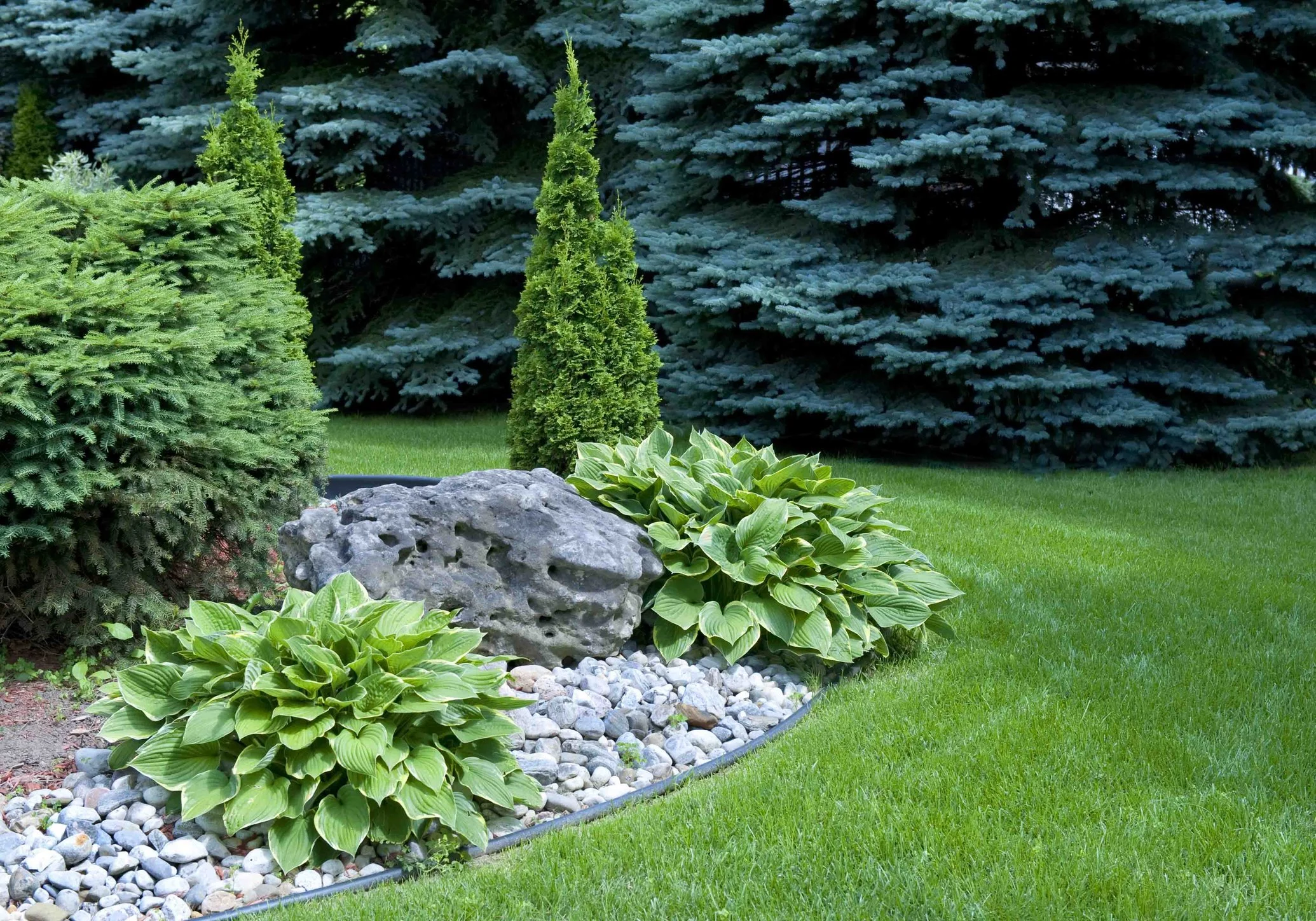
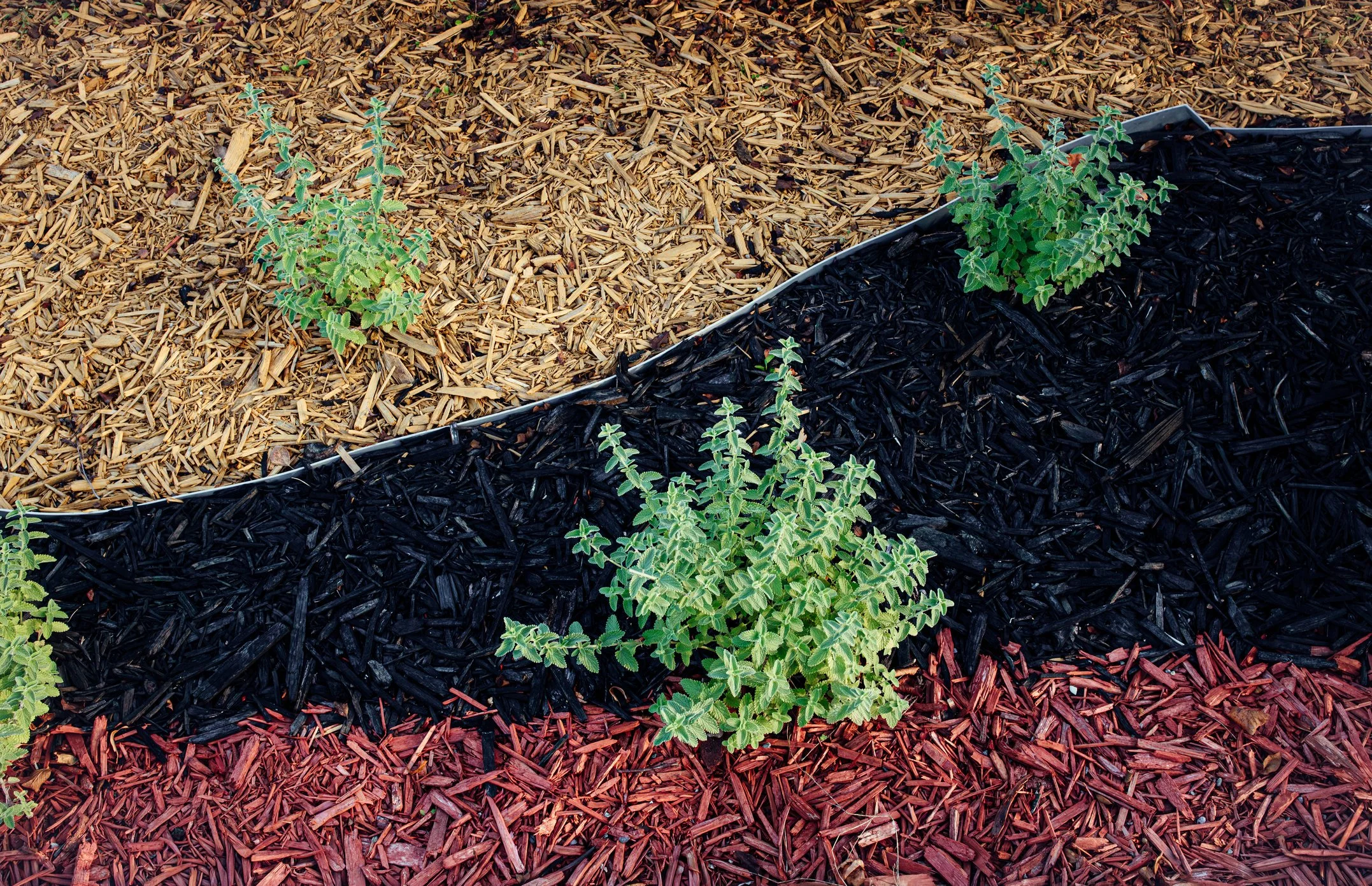
Decorative Mulch
If appearance is a major consideration, decorative mulch can help create a polished look around your home's landscape.
Choose a mulch color and texture that complements your home, plants, and hardscaping rather than overpowering them.
Remember, mulch should enhance your landscape—not become the main attraction.
Can You Use Leaves as Mulch?
Absolutely—but there's an important distinction.
Fallen leaves can be a valuable source of organic material for your landscape.
Instead of sending every leaf to the curb, consider using shredded leaves as a natural mulch in appropriate areas.
Whole leaves can become wet and matted, potentially creating a dense layer that prevents water and air from moving easily through the soil.
Shredding or mowing leaves before using them can help them break down more effectively.
And of course, keep leaves off areas where they could smother grass or create other problems.
Should You Mulch Newly Planted Trees & Shrubs?
Newly planted trees and shrubs can benefit from proper mulching.
A layer of mulch helps conserve moisture around the root zone and provides some insulation against temperature fluctuations.
However, proper application is key.
Keep mulch away from the trunk and avoid piling it against the plant's crown or stems.
For a newly planted tree, create a broad, shallow ring of mulch rather than a tall mound.
What About Perennial Beds?
Fall is also a good time to check the mulch around your perennial beds.
Once plants have gone dormant, add or refresh mulch where needed.
However, don't assume every perennial needs to be completely buried.
Some plants are better left with their crowns and stems exposed, while others may benefit from additional protection.
Know your plants before you mulch.
If you're unsure, bring us a picture or stop by the garden center. We're happy to help.
A Simple Fall Mulching Checklist
Before you start spreading mulch, take a few minutes to walk around your property.
✓ Check your existing mulch
How deep is it already?
You may need less than you think.
✓ Pull mulch away from tree trunks
Make sure the trunk and root flare aren't buried.
✓ Look for exposed roots
If roots are visible, a properly applied layer of mulch may help protect them.
✓ Check your trees and shrubs
Make sure mulch isn't piled against stems or trunks.
✓ Choose the right mulch
Consider the plants, location, appearance, and how quickly you want the material to break down.
✓ Don't overdo it
A few inches is generally plenty for most landscape beds.
Need Mulch? We're Here to Help.
Choosing mulch can seem simple—until you walk into a garden center and realize there are several options.
That's where your local garden center can help.
At our Columbia, TN garden center, we're here to help you choose the right mulch for your landscape and answer questions about how and where to use it.
Whether you're refreshing a few flower beds, mulching around newly planted trees, or getting your entire landscape ready for winter, our team can help you determine what you'll need.
And if you're not sure how many bags or how much bulk mulch your project requires, bring us the measurements of your garden beds and we'll help you figure it out.
Give Your Landscape a Little Winter Protection
Fall is about more than cleaning up the garden.
It's about preparing your plants for the season ahead.
A properly applied layer of mulch is one of the simplest things you can do to help protect your landscape through the winter while giving your garden beds a fresh, finished appearance.
So before the leaves finish falling and winter settles in, take a walk around your yard.
Check your mulch. Refresh what needs refreshing. And give your plants a little extra protection before the cold arrives.
Come by Fernwood and let us help you get your landscape ready for winter.